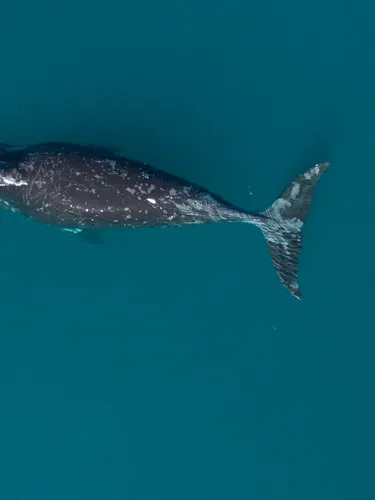
© VDOS Global / WWF-Canada
Bowhead whales
This predominantly Arctic species is associated with ice floes. Its movement patterns are therefore influenced by the melting and freezing of the ice.
Bowhead whales are capable of breaking through sea ice at least seven inches thick with their large skulls and powerful bodies.
Adult bowheads are entirely black except the front part of the lower jaw which is white and prominently upturned. They can grow up to 60 feet long while still being able to leap entirely out of water. Bowheads filter their food through baleen by opening their mouths and straining plankton from the surface, the water column, or the sea floor.
Data has shown that bowhead whales may be among the longest-lived animals on earth. Based on the recovery of stone harpoon tips in their blubber, and from analysis of eye tissue, scientists believe that the life-span of bowhead whales can be over 200 years.
Bowhead whale facts
- Status View status categories and descriptions
- Least concern
- Population
- About 10,000
- Scientific name
- Balaena mysticetus
- Weight
- 75–100 tons
- Length
- 50–60 ft.
- Habitats
- Oceans
News and stories
Why bowhead whales matter
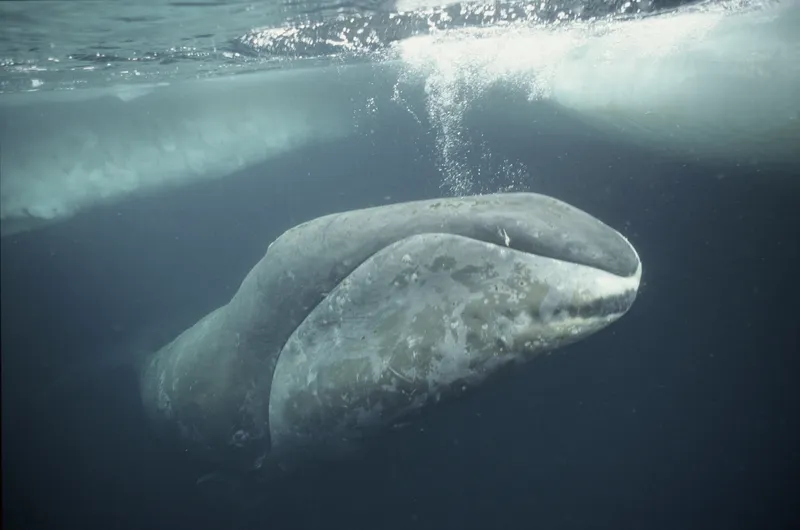
© naturepl.com / Martha Holmes / WWF
Whales are at the top of the food chain and have an important role in the overall health of the marine environment. The bowhead whale’s conservation status is listed as “least concern” overall, but some populations (such as near Greenland) are endangered. They have traditionally been hunted by commercial whalers until the last century for oil, meat, and baleen. Today, native communities in both the U.S. and Russia hunt bowheads for subsistence purposes. This subsistence whaling is approved and its sustainability is ensured by the International Whaling Commission (IWC).
Threats to bowhead whales

© Jim Leape / WWF-Canon
Bowheads have suffered from hunting by commercial whalers until the last century for oil, meat, and baleen. Some populations are faring better as a result of the International Whaling Commission (IWC)’s commercial whaling moratorium. Like other large whales, bowhead whales are threatened by habitat loss, toxics and climate change, as well as offshore oil and gas exploration and increased shipping in Arctic waters.
How WWF is taking action to protect bowhead whales

© VDOS Global / WWF-Canada
Habitat protection
Since the 1980s, WWF has worked with the community of Clyde River in Northeast Baffin Island, Canada to help document and protect a critical feeding area for bowhead whales. In 2009, a bowhead whale sanctuary (a place where commercial whaling is prohibited), was created in Isabella Bay close to Clyde River.
Improving whale protection
The International Whaling Commission (IWC) is the body charged with regulating whaling and addressing the vast number of other threats to whales, dolphins and porpoises in our oceans such as shipping, climate change, and bycatch. WWF works to make the IWC more effective in reducing threats to whales. In addition, WWF is working to minimize ocean noise pollution from offshore oil and gas exploration and increased Arctic shipping.
Experts
How you can help
© WWF
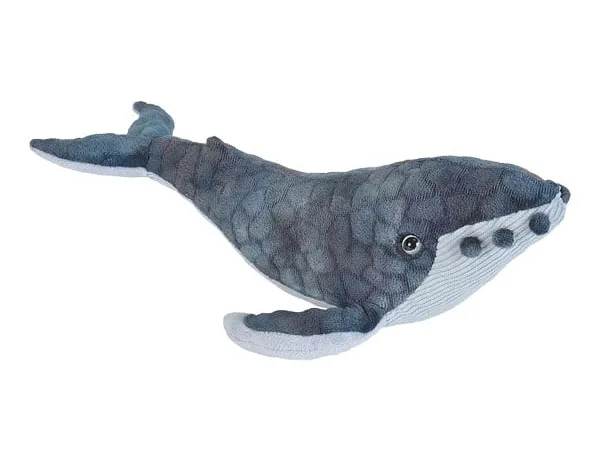
Adopt a humpback whale
Support WWF’s global efforts to protect wild animals and their habitats and choose from kits with plush and more.