© Antonio Busiello / WWF-US
Eastern Pacific Ocean
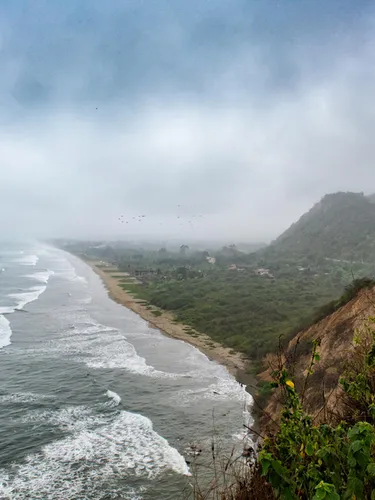
The Eastern Pacific Ocean spans the west coast of the Americas, crossing 13 countries from Canada to Chile.
WWF focuses our seascape work in the Eastern Pacific along the coasts and waters of Mexico, Colombia, Peru, Ecuador, and Chile to achieve positive change for biodiversity, people, and climate by 2030. Together, these five countries encompass approximately 10 million square kilometers (about the size of Canada) of territorial waters, Exclusive Economic Zones, and island territories. Their diverse marine habitats range from rocky shores and sandy beaches to mangroves, coral reefs, seagrass beds, and pelagic waters.
Important fisheries like tuna, mahi mahi, and squid support local communities and export markets. However, the region faces growing natural and human-driven threats, such as climate change, overfishing, pollution, and habitat destruction, significantly challenging the conservation and sustainable use of its marine resources.
Wildlife of the Eastern Pacific Ocean

© Ashley Morgan / WWF
The Eastern Pacific seascape has a rich biodiversity with highly migratory species such as whales, sea turtles, sharks, and manta rays, and numerous marine species endemic of this region. Ocean currents, such as the California, Humboldt, and Equatorial Undercurrent, bring cold, nutrient-rich waters to the surface, providing vital foraging habitat for many migratory fish, marine mammals, and seabird species. The region is a critical migratory corridor for more than 40 species of whales and dolphins. The Galápagos Islands, off Ecuador’s coast, hold incredible and unique terrestrial and marine life, including marine iguanas, Galápagos penguins, sea lions, and several species of sharks and rays.
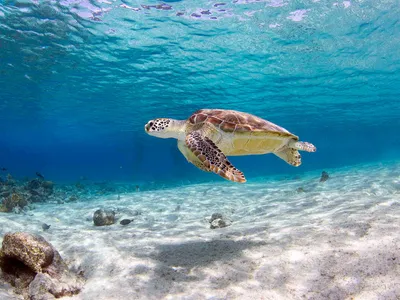
Sea turtles
For more than 100 million years sea turtles have covered vast distances across the world's oceans, filling a vital role in the balance of marine habitats.
© Casper Douma / WWF
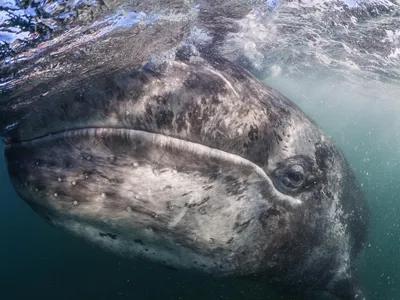
Whales
The Eastern Pacific region is a critical migratory corridor for more than 40 species of whales and dolphins
© naturepl.com / Claudio Contreras / WWF
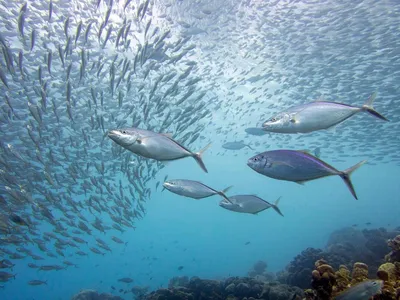
Tuna
The sustainability of key fisheries is threatened by illegal, unreported, and unregulated fishing across the seascape, including mahi mahi, squid, and tuna. Illegal fishing fuels geopolitical and maritime conflicts over resources.
© Casper Douma / WWF
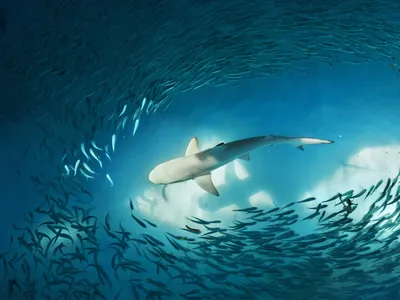
Sharks
These majestic top predators that are so essential to the natural order of marine ecosystems now face their most severe threat from overfishing.
© Tatiana Popova/Shutterstock
People and communities of the Eastern Pacific Ocean

© Meridith Kohut / WWF-US
Over 250 million people live in Mexico, Colombia, Ecuador, Peru, and Chile. The people and economies of these countries largely depend on their blue sectors, which include artisanal and industrial fishing, aquaculture, shipping, and marine tourism. The health of the ecosystems and species in the Eastern Pacific is a vital part of the prosperity of communities.
The Eastern Pacific Ocean under threat

© Antonio Busiello / WWF-US
Unsustainable Fishing and Aquaculture
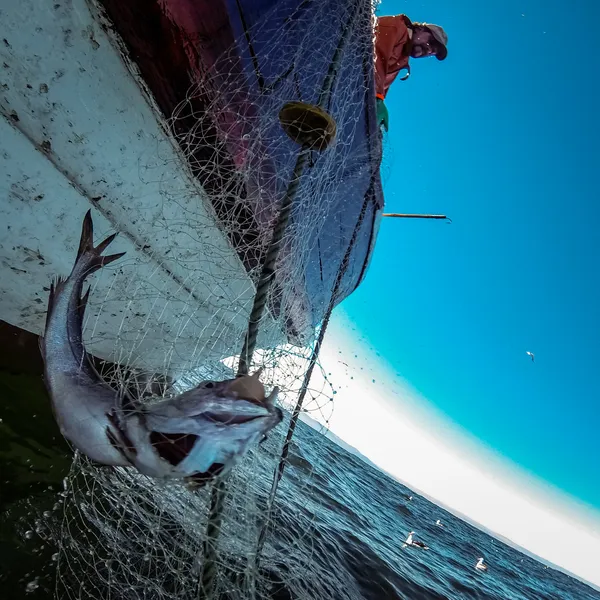
The sustainability of key fisheries is threatened by illegal, unreported, and unregulated fishing across the seascape, including mahi mahi, squid, and tuna. Illegal fishing fuels geopolitical and maritime conflicts over resources. Certain fishing practices can also result in bycatch of vulnerable marine species including leatherback and green sea turtles, sharks, rays, seabirds, and marine mammals. Meanwhile, the expansion of unsustainable shrimp aquaculture operations into mangrove forests, critical to climate mitigation and coastal protection, has led to significant mangrove loss in Mexico, Colombia, and Ecuador.
Ghost gear and plastic pollution
Millions of tons of plastics enter marine habitats in the region every year, endangering marine species and ecosystems. Major sources include improper waste management, industrial production from vessels and ports, tourism, and fishing-related waste especially “ghost gear” (abandoned, lost, or discarded fishing gear). Ghost gear can damage vulnerable habitats and can kill or entangle marine animals. In the Galápagos, one-third of marine species are at risk from entanglement or ingestion of plastics, while in mainland Ecuador, piracy is a leading cause of abandoned fishing gear.
Lack of management and financing
In Eastern Pacific Seascape countries, ineffective and inequitable management of protected and conserved areas has resulted in “paper parks” that offer little protection for critical ecosystems. Additionally, inadequate consultations with Indigenous peoples and local communities, combined with insufficient enforcement capacity, undermines protected areas, jeopardizes the livelihoods of coastal communities dependent on marine resources, and can create opportunities for corruption. Sustained funding is vital for strong, long-term management of protected areas and the currently limited resources available to support management worsens these issues.
Social Inequities
The safety, well-being, and cultural traditions of many communities, particularly Indigenous groups, are jeopardized by overfishing, climate change, and habitat destruction. While fisheries and aquaculture bring prosperity to the region, various social, political, or educational barriers often limits who benefits. For example, women may face restricted opportunities due to limited access to financial services and gender norms that constrains their ability to grow fishery enterprises and limiting independence. Although many regional fisheries are not considered high-risk, labor abuses including sexual harassment, unfair wages, and violence against anti-IUU observers on fishing vessels, are common.
Maritime Crime
High poverty rates can drive people toward illegal activities as a means of survival, particularly in coastal communities with limited livelihoods beyond fishing or tourism. The convergence of poverty, corruption, and weak governance creates an enabling environment for maritime crime, including drug trafficking, illegal fishing, and piracy, and is prevalent in the Eastern Pacific. Criminal organizations exploit these vulnerabilities to build transboundary illicit networks.
WWF is taking action to protect the Eastern Pacific Ocean
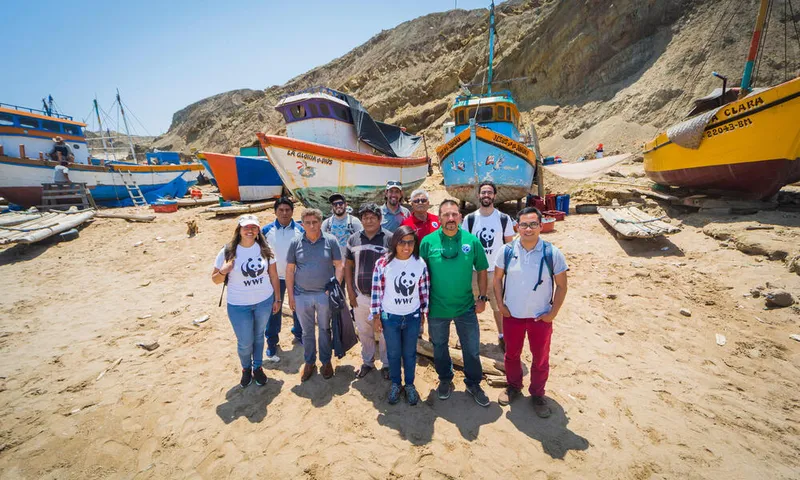
© Yawar Films / WWF-Peru
Developing More Sustainable Blue Foods
For over 15 years, WWF has taken a holistic approach to blue foods in the Eastern Pacific. We work closely with fishing communities and regional fishery management organizations to support local livelihoods while minimizing negative ecosystem impacts of seafood production. Many wild-caught and farmed seafood products from the region are exported to the United States, making WWF partnerships with US-based seafood companies key to transparency and traceability improvement efforts. WWF also co-launched the Fisheries Improvement Fund in 2023, a blue finance mechanism to raise upfront funding to support fishery improvements.
Advancing Marine and Coastal Protection
WWF works through a comprehensive and community-driven approach to advance large-scale marine protection ambitions in the Eastern Pacific. We work with rights holders, national governments, and regional management bodies to support new and existing locally-led marine protected areas and other area-based conservation measures that promote equitable governance, effective and participatory management, and sustainable financing. For example, WWF is supporting management plans of Ecuador’s expanded Galápagos Marine Reserve. By empowering communities and applying science-based management, we protect marine biodiversity, enhance climate resilience, promote sustainable livelihoods, and contribute to the global goal of protecting 30% of the ocean by 2030.
Protecting Migratory Wildlife
Spanning over 7 million square miles from Mexico to Chile, the Eastern Pacific, “blue corridor” is a critical migratory route for whales. WWF works through multiple pathways to protect this corridor including by advocating for regional policies, driving regional policy and conservation action; raising public awareness through campaigns and educational initiatives; tracking migratory patterns of whale species to understand effective protection measures; and collaborating with coastal communities to implement bycatch and ghost gear solutions and sustainable nature-based tourism enterprises. This work not only helps whales, but other migratory species including sharks, rays, and sea turtles.
Mangrove Restoration & Protection
Mangrove trees line Mexico, Colombia, and Ecuador coastlines and provide critical ecosystem services. WWF works with communities on climate-smart mangrove restoration and protection and on insurance mechanisms that support sustainable shrimp farming around mangrove forests. Our work has helped secure more than 1.6 billion tons of carbon in the region.
Featured projects in the Eastern Pacific Ocean
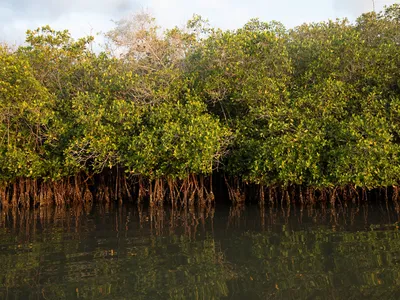
© Jason Houston/WWF-US
ManglarIA: Using artificial intelligence to save mangroves in a changing climate
ManglarIA, “AI for Mangroves” in Spanish, is an innovative project that will expand our understanding of nature-based solutions. Our goal is to create a model for data collection and analysis that can inform climate-smart ecosystem conservation worldwide.
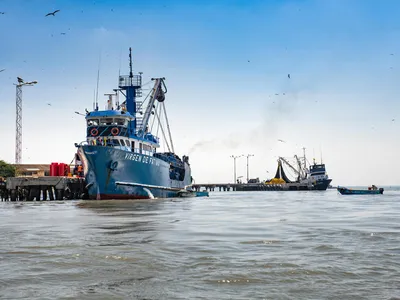
© Antonio Busiello / WWF-US
Implementing electronic monitoring (EM) on industrial fishing vessels
EM involves advanced camera systems installed on fishing vessels to continuously record information during trips and monitor fishing activities. When integrated with other technologies, this tool can track vessel locations and identify specific actions, such as net deployment and retrieval.
Experts
-

Dr. Gabby Ahmadia
Vice President, Seascapes and Science, Oceans
-

Dominic Andradi-Brown
Director, Blue Forests
-

Stephanie Bradley
Director, Fisheries in Transition
-

Alison Cross
Director, Fishery Sustainability
-
Wendy Goyert
Director, Eastern Pacific Seascape, Oceans
-
Merrielle Macleod
Director, Aquaculture
-

Vishwanie Maharaj
Lead, Tuna and Multilateral Fisheries
-

Abel Valdivia
Lead Marine Conservation Scientist, Oceans
News and stories
-
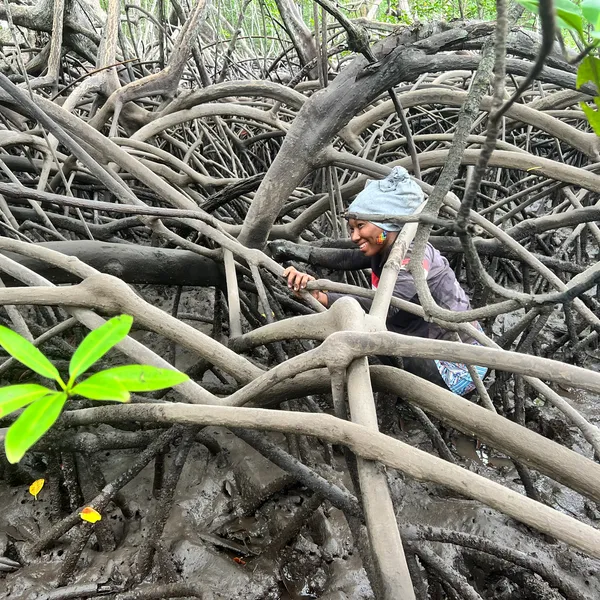
© WWF-Colombia / Andrés Riveros Pardo
Mangrove conservation around the world -
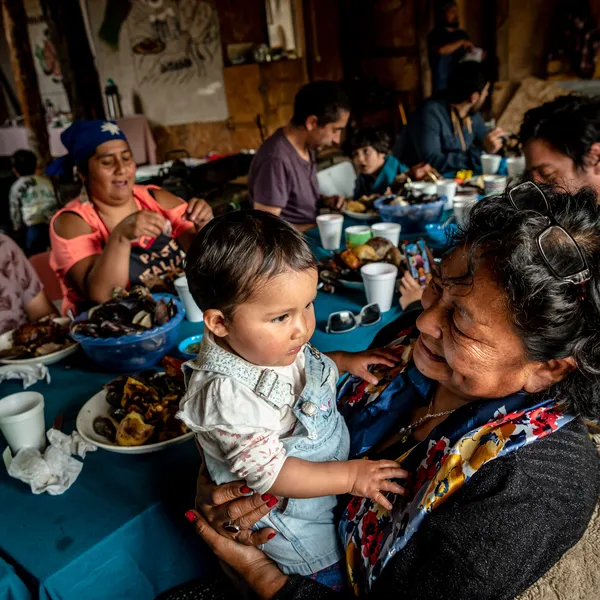
© Meridith Kohut / WWF-US
How bountiful seas could help an Indigenous community keep a thousand-year old dish alive -
© Meridith Kohut / WWF-US
Climate change will lead to conflict at sea. A new platform helps predict where—and how to prevent it.