Wildlife and climate change

© Martin Harvey / WWF-Canon
Changes in climate and extreme weather events have already begun to affect people and nature across the globe. And climate change exacerbates other threats like habitat destruction, overexploitation of wildlife, and disease.
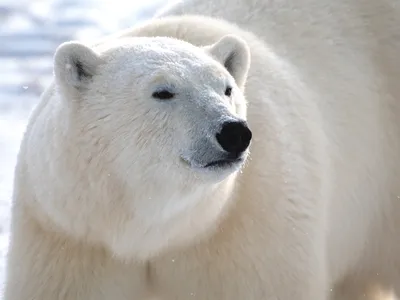
From the shrinking habitat of the polar bear to increased water scarcity driving human-wildlife conflict, these changes will become more pronounced in years to come.
WWF is working to better understand how a changing climate impacts species, and we are developing and implementing solutions to help them adapt to these changes. We are assessing our priority species to determine traits that make them resilient or vulnerable to changes in climate, funding projects through our Wildlife Adaptation Innovation Fund, and crowdsourcing data and implementing projects for people and nature.
Assessments
Why wildlife and climate change matters
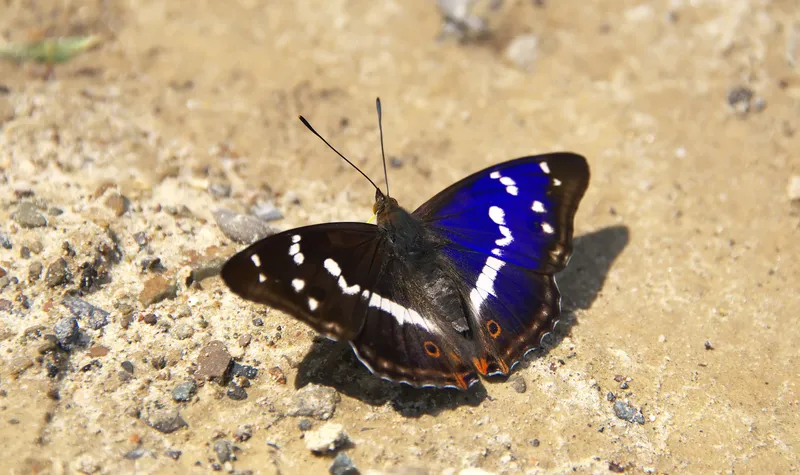
© Myroslav Vydrak / Shutterstock
Range shifts
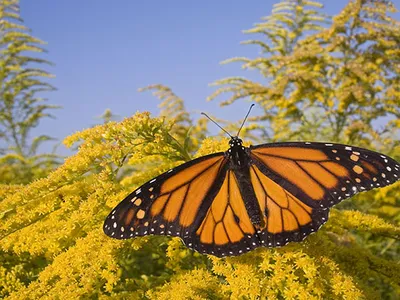
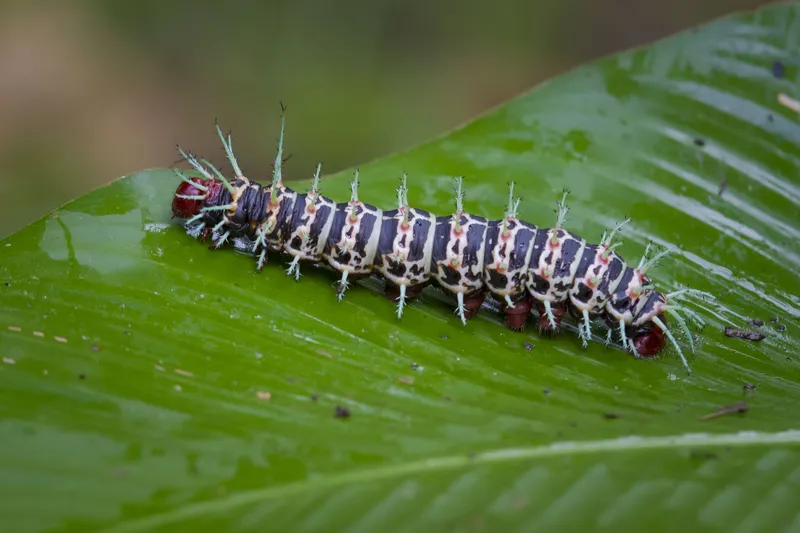
Climate is the most important predictor of butterfly species distribution. Butterflies have been documented shifting their range toward the poles and to higher altitudes.
© Martin Harvey / WWF-Canon
Changing food and water availability
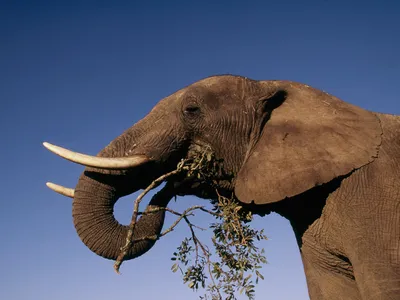
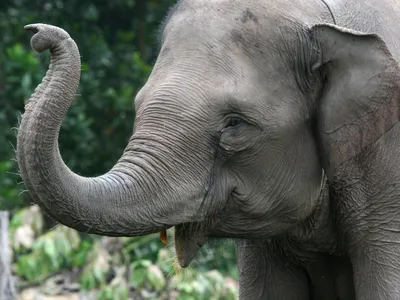
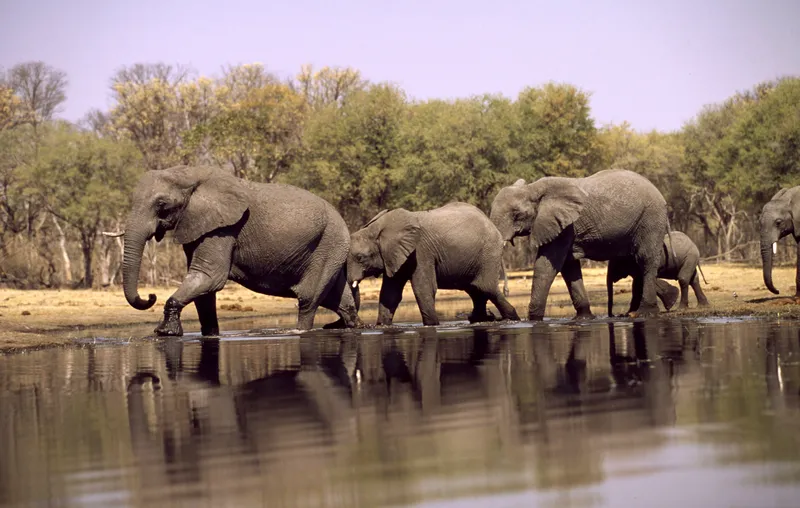
African elephants need up to 300 liters of water a day, just for drinking. As rainfall patterns change, humans and wildlife are competing for diminishing sources of water.
© Steve Morello / WWF-US
Increase in pests and disease
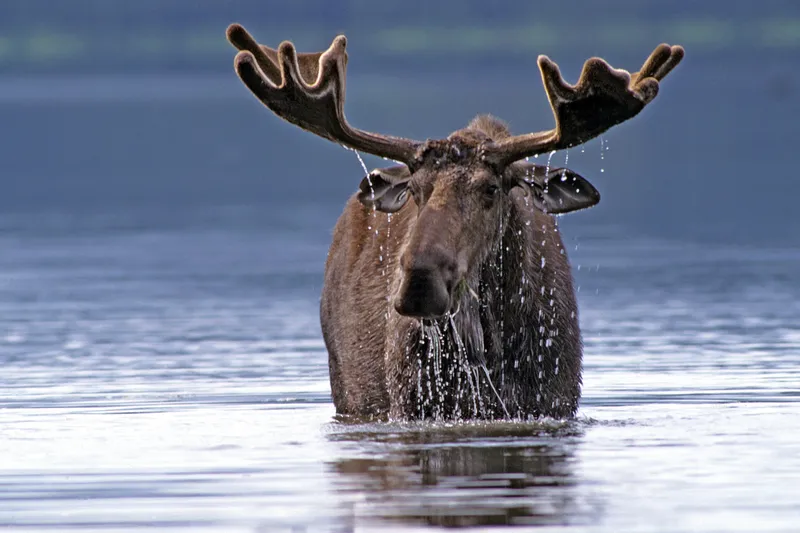
As winters get warmer and shorter, moose populations in the northern US are declining due to tick infestations.
© Enrique Castro-Mendivil
Changes in the timing of life cycle events
Responding to warmer spring temperatures, plants are flowering earlier than they used to, resulting in a mismatch between peak plant growth and the animals that depend on them.
© Jürgen Freund / WWF-Canon
Coral bleaching
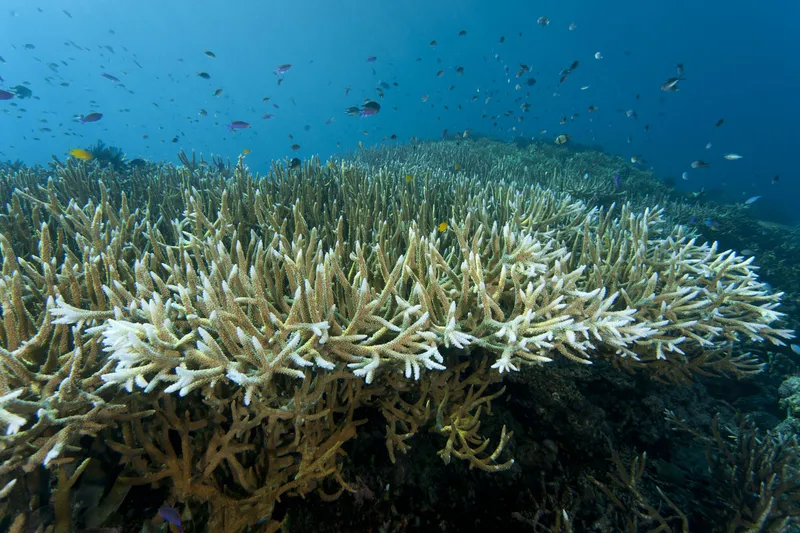
Oceans have absorbed much of the planet’s warming since the Industrial Revolution. Warming oceans are causing corals to expel the algae living in their tissues and turn white—a phenomenon known as coral bleaching. Over time, the corals can die off and no longer offer a healthy ocean habitat for the species that rely on them for feeding and protection.
How WWF is taking action on wildlife and climate change

© Luke Duggleby / WWF-US
Species Assessment Tool
Researchers and conservation practitioners can use this tool to assess a species’ vulnerability to climate change. They are encouraged to share their results with WWF’s ongoing project.
WWF Climate Crowd
WWF Climate Crowd is an initiative to crowdsource data on how rural communities are being impacted by changes in weather and climate and develop and implement solutions that help people and nature adapt to these changes.
Wildlife Adaptation Innovation Fund
WWF’s Wildlife Adaptation Innovation Fund supports the testing of new ideas that have the potential to reduce the vulnerability of wildlife to changes in climate through on-the-ground projects. Successes and lessons learned from these pilot projects provide useful guidance that moves conservation beyond business-as-usual approaches and rapidly scales promising efforts to help wildlife endure under conditions of rapid change.
Learning resources
Built around WWF's wildlife and climate change work, we have developed additional learning resources designed for educators teaching advanced high school and college students.