Sounding the alarm about nature's decline

© STEPHEN FRINK/THE IMAGE BANK VIA GETTY IMAGES
We know nature is in trouble, but finding solutions requires wrapping our minds around the scope of what’s taking place. That’s why WWF produces the Living Planet Report, a rigorous and authoritative biennial assessment of ecosystem health the world over.
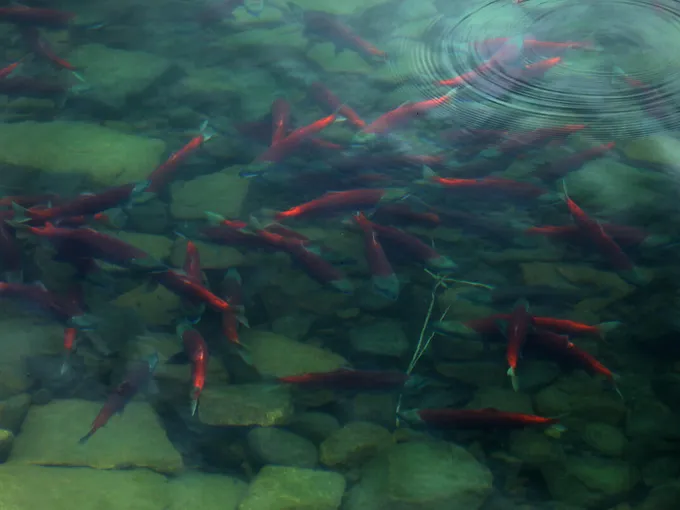
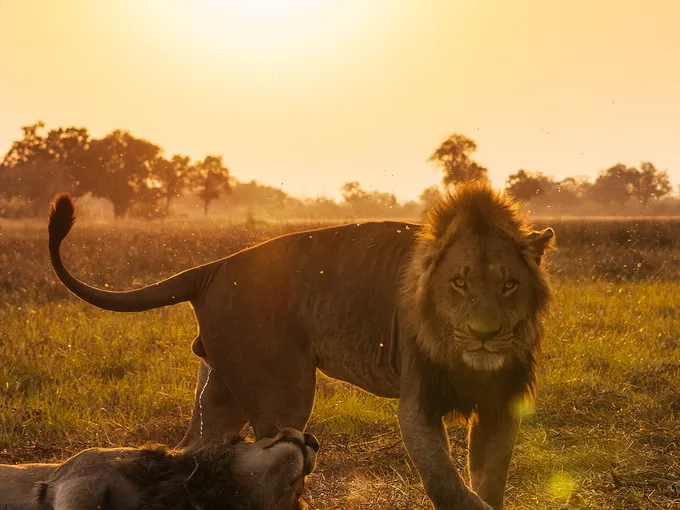
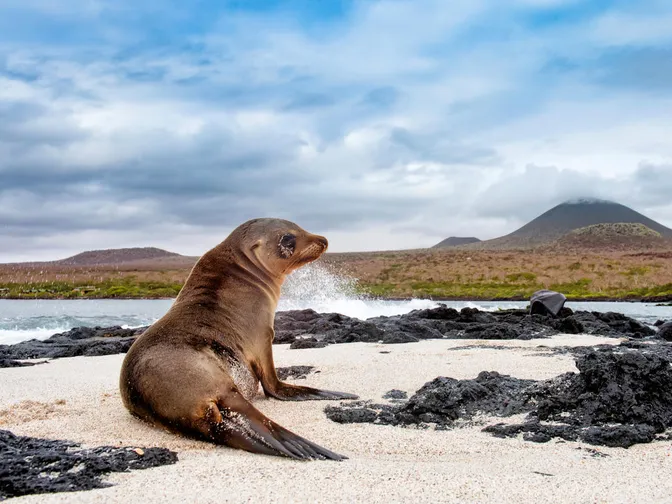
In the 2022 report, researchers assessed how 32,000 vertebrate populations—representing more than 5,000 species—fared over the past half-century. Since 1970, the populations of birds, mammals, fish, reptiles, and amphibians in the study have declined by an average of 69%.
“This is a wake-up call,” says Rebecca Shaw, WWF’s chief scientist. “Nature is unraveling.”
But the report also highlights conservation successes that offer clear lessons. The populations that actually increased during the study—such as mountain gorillas in Virunga National Park and loggerhead sea turtles in North Cyprus—all shared a key factor: engaged communities of people actively participating in conservation.
“Where you have real community engagement, you can have unique solutions that allow habitats to recover in lasting ways because they’re being stewarded by the people who live there,” says Shaw.
It’s urgent that we use these successes as models for how to reverse nature loss, she adds. “We have maybe a decade to figure this out.”
© Antonio Busiello / WWF-US
Explore more
Keep reading this issue of World Wildlife magazine