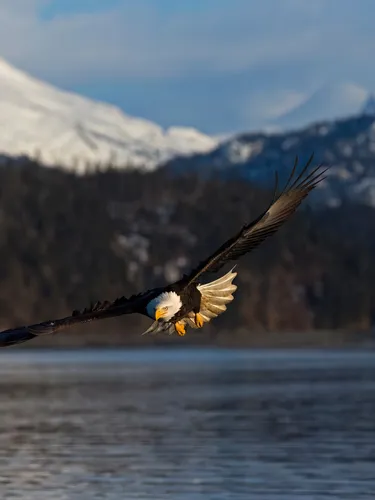
© Don Getty
US government policy
WWF advocates for a future in which people and nature can thrive
Working closely with Congress, federal agencies, and state governments, WWF supports a long legacy of bipartisan American leadership to promote conservation at home and abroad.
Priorities
Investing in wildlife conservation
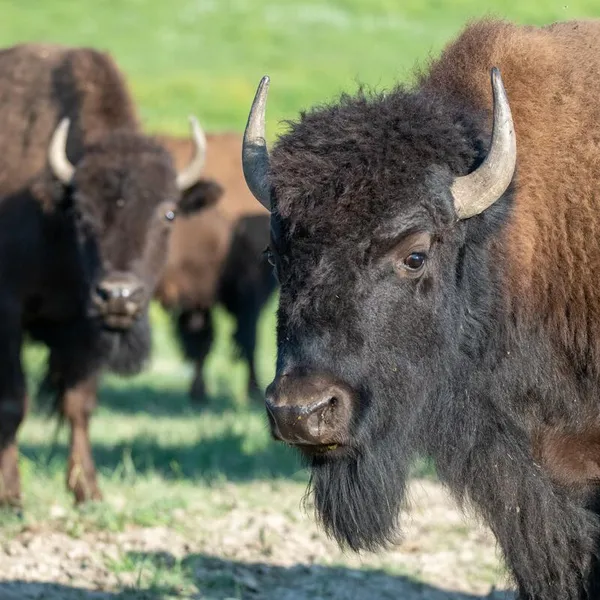
WWF advocates for US government programs that provide critical support for protecting wildlife and wild places, from restoring iconic American species like the black-footed ferret and buffalo to conserving elephants, tigers, rhinos, great apes, and turtles around the world. Congress can act now to restore buffalo — the US national mammal — by passing the Indian Buffalo Management Act to strengthen federal support for Tribal Nations' work bringing buffalo back from the brink of extinction. WWF also advocates to support and defend the Endangered Species Act, the nation’s primary law protecting species from extinction that has a 99% success rate. The US government has a long history of investing in global conservation, such as through the US Foundation for Natural Security and Counterterrorism originally enacted in 2024 with WWF support.

© Dennis Lingohr / WWF
Stopping the illegal trade of natural resources
Defending nature is a matter of national security. WWF supports US government programs and policies to stop illegal wildlife trafficking; enforce the Lacey Act to halt the illegal timber trade; and prevent Illegal, Unreported, and Unregulated (IUU) fishing by strengthening the NOAA Seafood Import Monitoring Program so that all seafood entering the US marketplace is fully traceable to legal sources. Laws like the Big Cat Public Safety Act—which was enacted in 2022 following the advocacy of nearly 700,000 WWF members—are instrumental in helping prevent captive wildlife from ending up in the illegal trade of their parts and products. Following calls led by WWF and industry to halt imports of illegally sourced wood, the Department of Agriculture requires greater supply chain traceability of products such as furniture, sporting goods, housewares, tools, boats, vehicles, and cork.

© _
Conserving forests
Effective forest conservation and management are essential to tackle some of the most pressing problems we face: species loss, climate change, freshwater scarcity, wildfires, corruption, and weak governance. WWF works to protect critical forest ecosystems such as the Amazon and Congo Basin, including through debt-for-nature swaps under the innovative Tropical Forest and Coral Reef Conservation Act. WWF further supports policies to tackle the illegal and unsustainable production of agricultural products that drive forest, grassland, and habitat loss globally. Additionally, WWF works to create and implement effective safeguards for infrastructure development—particularly roads, railways, and power lines—that protect people and nature from harm.

© WWF-Peru/Enrique Castro-Mendívil
Securing our food and freshwater systems
Healthy ecosystems are foundational to food and water security. But unsustainable agricultural practices and overexploited freshwater resources are major drivers of nature loss. WWF is a founding member of the Zero Food Waste Coalition, which supports measures to reduce the more than 30% of the US food supply that is wasted every year. Congress can act now to reduce food waste by passing the Food Date Labeling Act to standardize expiration date labels and the NO TIME TO Waste Act to strengthen federal interagency efforts to reduce food loss and waste. WWF also urges Congress to pass a Farm Bill that invests in American farmers, ranchers, and forest-owners to conserve critical habitats such as native grasslands in the Great Plains and build a more resilient food system.

© Shutterstock / Brenda Carson
Reducing plastic waste
WWF’s No Plastic in Nature initiative aims to stop the flow of plastic into nature by 2030. WWF's approach brings together all stakeholders—government, businesses, and the public—to reduce the consumption of plastic while establishing more consistency in how people reuse and recycle it. At the state and federal levels, WWF advocates for reduced reliance on single-use plastics as well as Extended Producer Responsibility measures that have now been enacted in states like Minnesota, Maryland, Washington, and Colorado to ensure that companies creating plastic waste are responsible for reducing their plastic footprint. Bipartisan, pragmatic measures like the Save Our Seas 2.0 Act that help the federal government better identify interventions to keep plastic out of nature have also become law following WWF’s advocacy.

© Shutterstock / Mohamed Abdulraheew / WWF
Building resilience to a changing climate
People and nature are under increasing threats from rising sea levels, hotter oceans, more severe droughts, and heat waves. WWF supports policies to advance clean energy solutions, reduce pollution, and invest in countries’ resilience to natural disasters and extreme weather. This includes advocating for renewable energy deployment and protecting communities from the extreme heat, flooding, storms, and other disasters that are becoming increasingly common around the world. WWF also advocates for elevating actions and policies that harness the power of nature in the US government response to a changing climate.

© Chip Somodevilla / Getty Images News / Getty Images
Our action center
Do your part and make a difference by signing a petition or contacting an official.
© Martin Harvey / WWF
News and stories

Press releases
Policy explainers
© FEDERICO EPIS/WWF-US
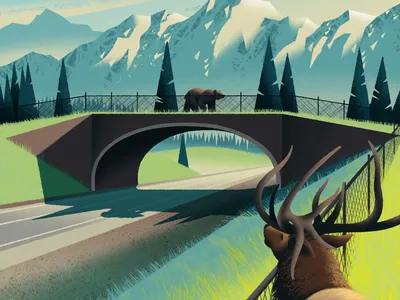
What are wildlife crossings and how do they save lives?
© Day's Edge Productions / WWF-US
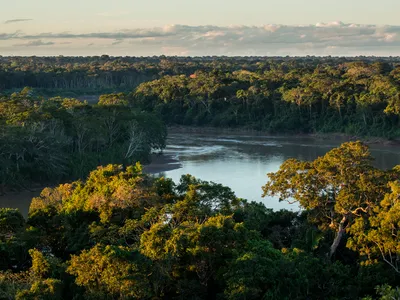
Debt-for-nature swaps: A lasting investment in nature and people
© Richard Barrett / WWF-UK
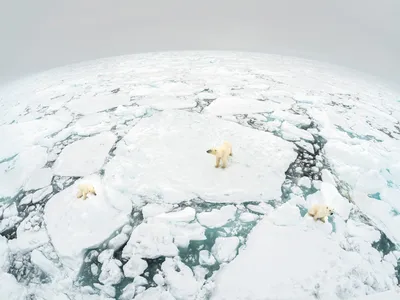
What is the Endangered Species Act?
© Chris J. Ratcliffe/WWF-UK
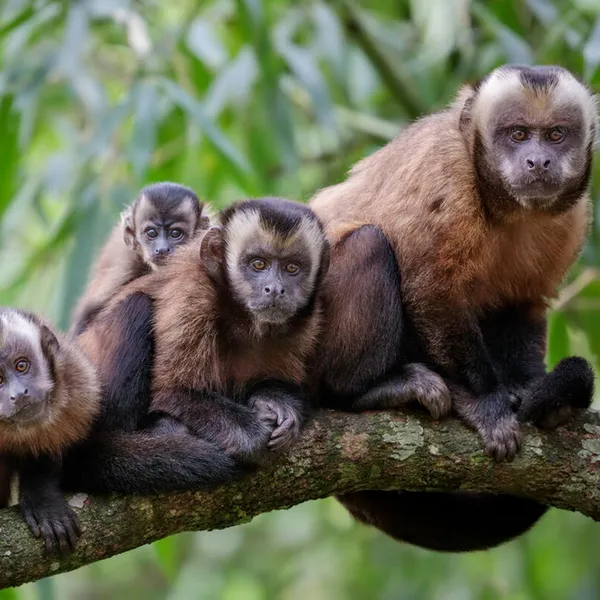
Why primates do not make good pets

© Anton Vorauer / WWF-Canon
What it takes to protect the oceans from illegal activities
© Milos Bicanski / WWF-UK
Extended Producer Responsibility
Our conservation partnerships with the US government
WWF has worked closely with the US government for decades to promote more effective management of natural resources that people everywhere rely upon. These programs stop wildlife trafficking, curb the illegal fish and timber trade, and conserve treasured species and habitats.
© Bruce D. Taubert
Restoring buffalo and ferret populations in the Great Plains
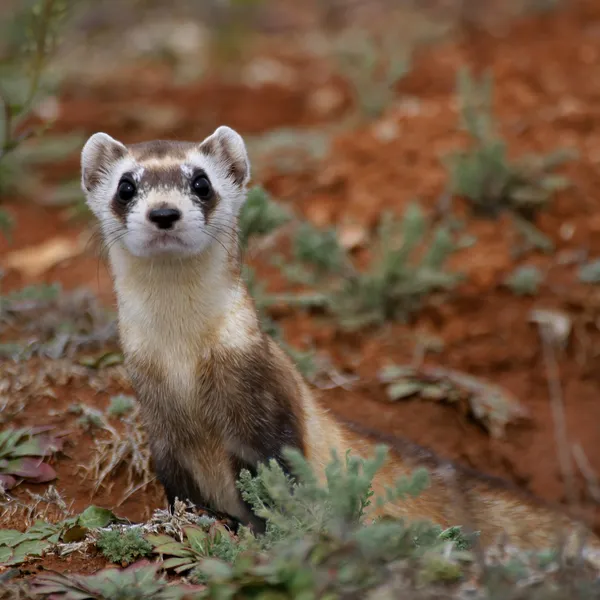
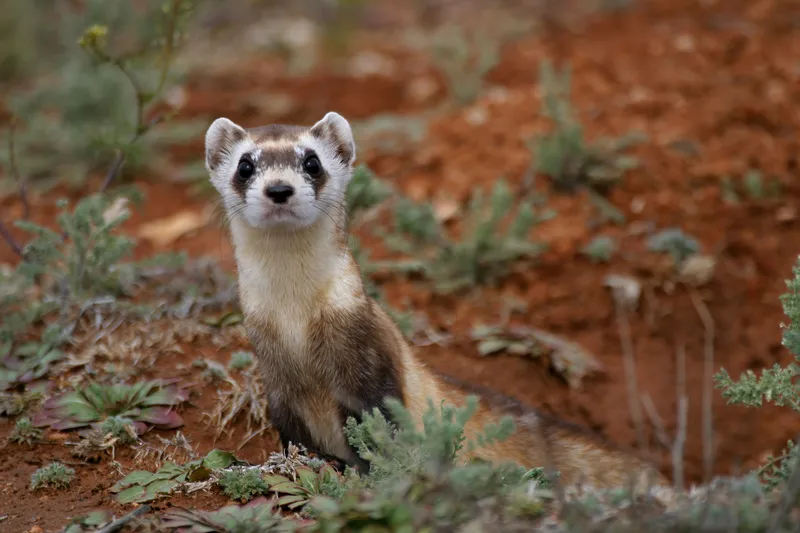
Overhunting, habitat loss, and disease nearly led to the decimation of buffalo and black-footed ferrets after westward expansion. Since then, WWF has worked with local, Tribal and government partners to help restore their populations. Once believed to be extinct entirely, more than 300 black-footed ferrets have been brought back into the wild following WWF's work with the Fort Belknap Indian Community, US government agencies, and other partners to maintain their habitat and relocate prairie dogs, the ferret’s main food source. The Tribal Buffalo Lifeways Collaboration—which includes the InterTribal Buffalo Council, Native Americans in Philanthropy, The Nature Conservancy, and WWF—is also committed to working with US government agencies to build on the momentum created by Indigenous leaders to bring lasting structural change and return buffalo to Tribal lands at an unprecedented scale.
© naturepl.com / Tui De Roy / WWF
Protecting elephants, tigers, rhinos, great apes, and turtles around the world
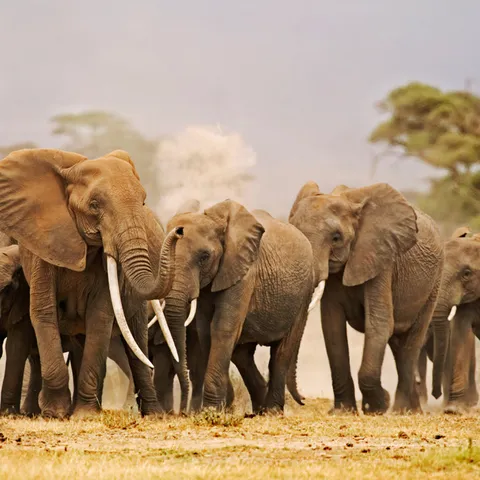
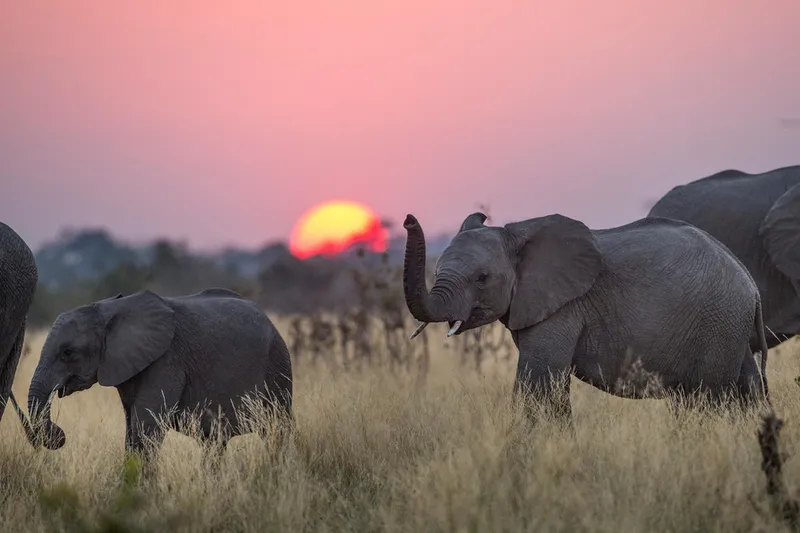
The Multinational Species Conservation Funds managed by the US Fish and Wildlife Service help support the protection of some of the world's most iconic wildlife: elephants, tigers, rhinos, great apes, and turtles. These targeted investments have helped advance conservation achievements like nearly tripling the number of tigers in Nepal and coordinating the first-ever joint elephant survey across five southern African countries that showed the population is now stable. These programs have supported WWF’s efforts to protect white-handed gibbons in Lao People’s Democratic Republic, rhinos and tigers in Nepal, Asian elephants in Cambodia and Viet Nam, and more. Following concerted advocacy by WWF and its partners, Congress passed a five-year renewal of the Multinational Species Conservation Funds in 2024 with strong bipartisan support.
© Will Burrard-Lucas / WWF-US
Stopping illegal wildlife trafficking in Africa
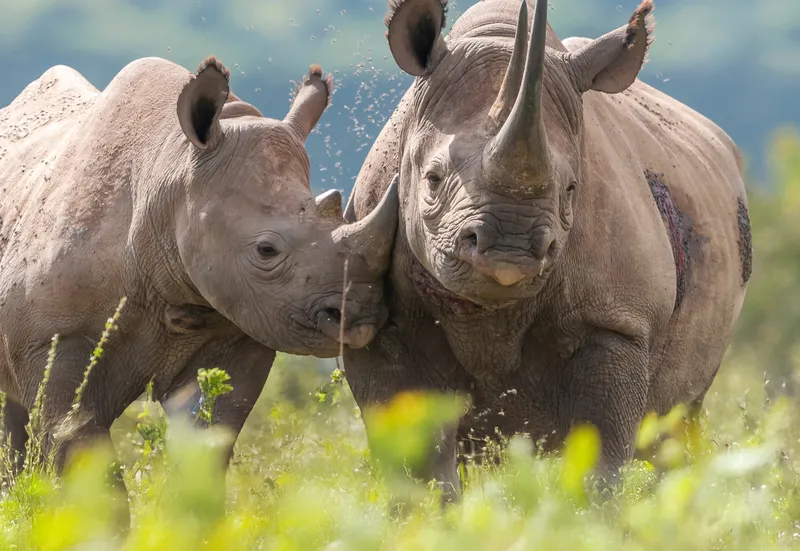
Africa is home to some of the world's most iconic species, like elephants and rhinos, which are under dire threat from illegal poaching for their ivory and horns sold on the black market. WWF worked with the US government and partners to stabilize the populations of black rhinos in Namibia and elephants in the Kavango-Zambezi Transfrontier Conservation Area (KAZA) region, which spans parts of Angola, Botswana, Namibia, Zambia, and Zimbabwe, by working closely with local authorities to enhance their wildlife crime surveillance capacity using new technology and modernized field procedures. By the conclusion of the work in June 2023, there had been no reports of illegal killings of black rhinos in northwest Namibia in three years. WWF has also partnered with the US government and American tech companies to create and deploy first-of-its-kind artificial intelligence systems at hotspot airports in eastern and southern Africa that automatically detect wildlife contraband.
© WWF-US / Rebecca Drobis
Preventing food waste in schools
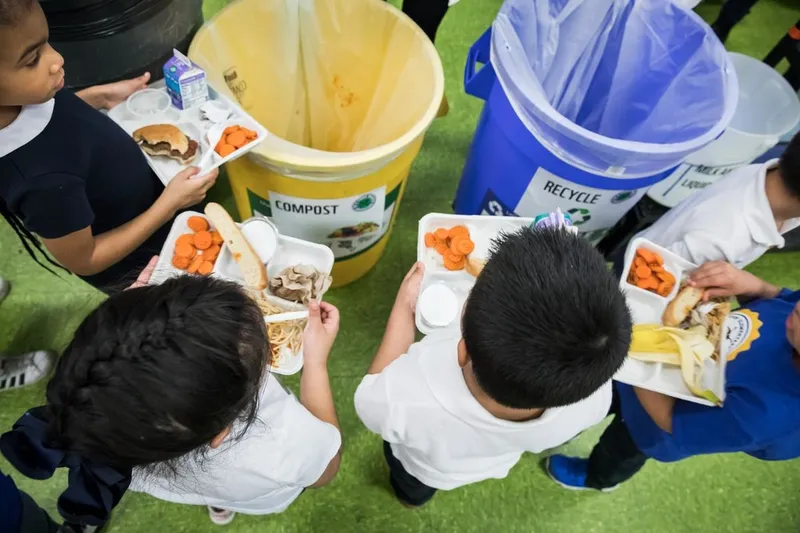
An estimated 530,000 tons of food is wasted in schools each year, wasting billions of gallons of water and driving greenhouse gas emissions, while about 15 million American children face hunger. In partnership with the Environmental Protection Agency, WWF's Food Waste Warriors program works with school districts in Atlanta, Baltimore, Memphis, and Nashville to conduct food waste audits, implement composting and recycling initiatives, and engage communities through outreach campaigns.
Experts
-

Kevin Allexon
Director, US Plastics Policy and Advocacy
-

Tarunika Anand
Senior Policy Advocate, State and Federal Plastics Policy
-

Jonelle Palmer Ariori
Program Officer, US Government Partnerships
-

Stephanie Cappa
Director, Policy and Government Affairs
-

Gina De Ferrari
Senior Advisor, US Government Partnerships
-
Ben Freitas
Manager, Ocean Policy
-

Will Gartshore
Senior Director, Policy and Government Affairs
-

Ellen Giordano
Vice President of Partnerships, Policy and Government Affairs
-

Rebecca Homan
Senior Program Officer, US Government Partnerships
-

Benjamin Hunt
Senior Policy Advocate, Policy & Government Affairs
-

Sammi Lin
Associate Specialist, Policy and Government Affairs
-

Cristina Marcos
Director, Policy & Government Affairs Communications
-

Mary Naby
Executive Assistant, Policy and Government Affairs
-

Mary Olive
Senior Program Officer, Food and Freshwater Policy
-

Alejandro Pérez
Senior Vice President, Policy and Government Affairs
-

Turner Shaw
Manager, US Government Partnerships
-

Natalie Tarasar
Program Officer, US Government Relations
-

Sara Thomas
Senior Director, Marketing and Outreach