US primate trade is booming on social media
New research shows the ease with which primates are being openly traded online

© naturepl.com / Alex Hyde / WWF
The illegal trade in primates as pets has increased drastically in the last few years, both facilitated and fueled by social media. A new study reveals the alarming extent to which primates are being traded openly on major social media platforms in the United States.
The report found that across a six-week period in mid-2025, more than 1,600 primates were listed for sale online, with many of these listings found through simple searches such as ‘monkey rehoming’ or ‘adoption.’ Primates for Purchase: The Surge in Sales on Social Media in the US is a joint study by WWF, the Association of Zoos and Aquariums (AZA), and the International Fund for Animal Welfare (IFAW).
© Adriano Gambarini/WWF-US

© Primates for Purchase: The Surge in Sales on Social Media in the US
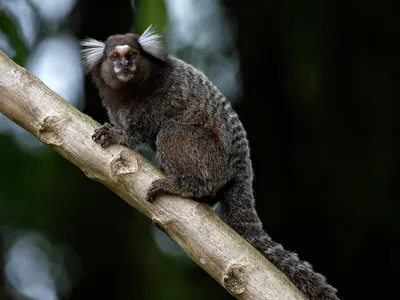
Social media users advertised a wide range of species, including macaques, capuchins, spider monkeys, marmosets, lemurs, bush babies, and even chimpanzees. Macaques were by far the most prevalent, with hundreds of infants and juveniles appearing in listings.
Sellers routinely disguised sales—misrepresenting the purchase of pet primates as rehoming or adopting rather than commercial wildlife trade. This allows the trade to remain visible yet undetected from platform restrictions on selling live, endangered wildlife.
“Buying a primate online isn’t just about one animal—it fuels the killing of mothers, the loss of future generations, and the dangerous myth that primates belong as pets,” says Crawford Allan, WWF Vice President, Nature Crimes and Policy Advocacy. “A seemingly harmless purchase is often the final link in a well-organized criminal chain that undermines wild populations and is neither safe nor legal.”
“Buying a primate online isn’t just about one animal—it fuels the killing of mothers, the loss of future generations, and the dangerous myth that primates belong as pets.”
Crawford Allan WWF Vice President, Nature Crimes and Policy Advocacy

© California Fish and Wildlife Service
Implications of the primate trade
Nearly 75% of the world’s primate species are threatened with extinction. This is exacerbated by the illegal trade, which often involves killing mothers to target their babies. People are falsely led to believe that infant primates will bond more readily with humans. Sadly, many of these primates suffer lifelong trauma or die before they ever reach the buyer due to the harsh and dangerous smuggling conditions.
Not only is the trade cruel and dangerous for wild primate populations, but it also increases the risk of zoonotic disease transmission and the potential for invasive populations to establish in local ecosystems if released.
There are also security concerns linked to the global $23 billion illicit wildlife trade, where primates are increasingly smuggled into the US, including across the US-Mexican border. Inconsistent or weak legislation makes primate trafficking a “low-risk, high-reward” criminal enterprise.
Lack of regulations enables the primate trade
Despite all these risks, there is no single, comprehensive federal ban on owning or trading primates as pets in the United States, nor on selling (any) endangered species online. There is inconsistency at the state level, with a little over half of states generally prohibiting primate ownership, and the other states with partial to no bans on private ownership of primates.

© Primates for Purchase: The Surge in Sales on Social Media in the US
The report calls for strengthened federal laws, including passing the Captive Primate Safety Act. This would prohibit private ownership and interstate buying and selling of all primate species in the US.
Digital and social media platforms can help stop this exploitation online by not allowing the sale of primates on their sites and strengthening automated detection filters to block related posts.
The general public has a significant role to play, too. By not buying primates as pets nor liking, sharing, or promoting related content, there will be less demand and incentive for wildlife traffickers to source these animals from the wild.

© Chimpanzee Sanctuary Northwest
What WWF is doing
WWF works on local, national, and global levels to halt wildlife crime, including illegal wildlife trade. We address this critical threat at all levels of its supply chain—from poachers to smugglers and end consumers.
- Through the Coalition to End Wildlife Trafficking Online, we’re collaborating with online platforms and social media companies to take action against the illegal wildlife trade online. At the end of 2025, more than 63.3 million prohibited wildlife listings and suspected sellers were blocked across Coalition platforms.
- Our Responsible Pet Guide is an online tool that provides assessments and potential risks to owning various species as pets to help consumers make informed decisions before purchasing an exotic pet.
Tackling this issue requires coordinated and collaborative actions by governments, companies, and the general public to reduce demand and keep primates in the wild where they belong.
How you can help
© Greg Armfield / WWF-UK
Stop wildlife crime
Pledge to stop wildlife crime and commit to preserving nature's beauty for future generations.