
© Andy Isaacson/WWF-US | Jonas Lysholdt Ejderskov / WWF-Denmark
Wildlife crime
Poaching, trafficking, and demand explained
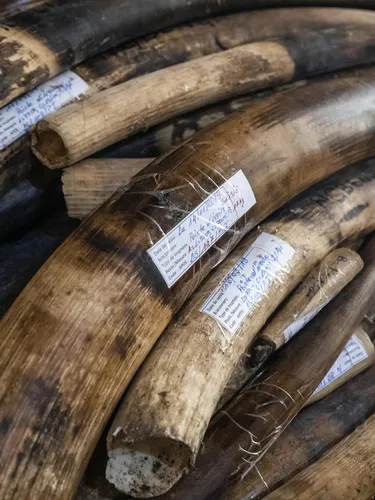
Wildlife crime is a global crisis driven by powerful international criminal networks. These syndicates traffic wild animals and their parts much like illegal drugs and weapons, making wildlife crime one of the most lucrative illicit markets in the world. Though exact figures are hard to pin down due to the covert nature of the trade, estimates suggest it generates over $20 billion annually. Much of the profits sustain crime groups and have been linked to funding armed militias and insurgency. This illegal activity not only undermines the rule of law and fuels corruption but also poses a serious threat to nature and the survival of countless species.
© naturepl.com/Will Burrard-Lucas/WWF
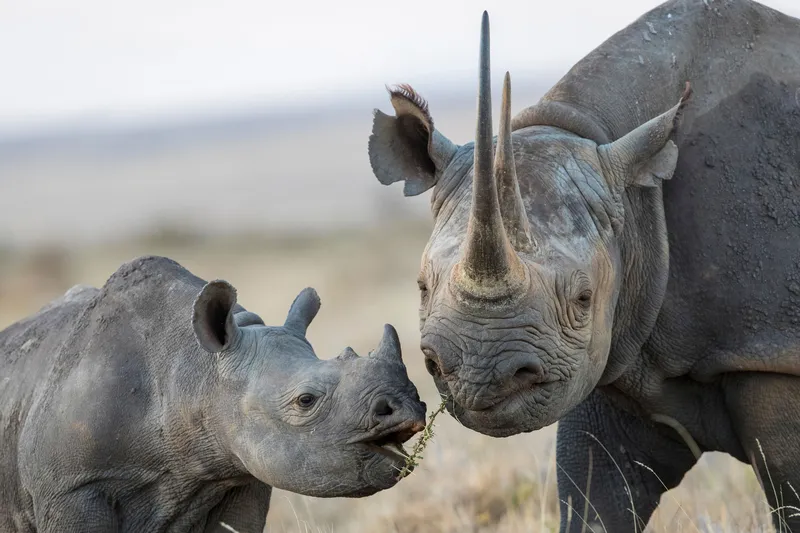
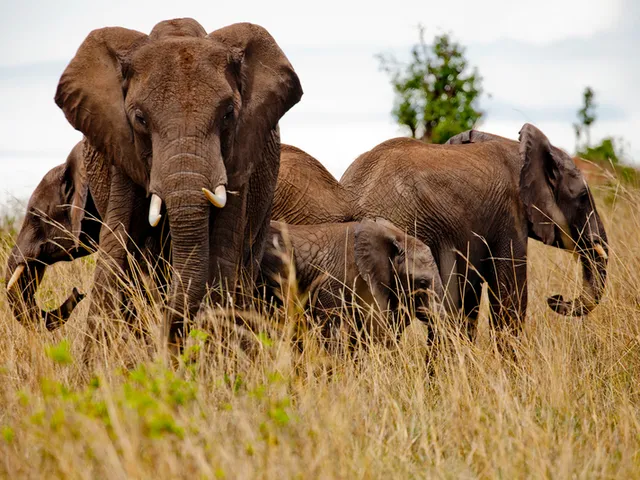
At the heart of wildlife crime lies the illegal wildlife trade, which targets a wide range of species—from iconic animals like elephants, rhinos, and tigers to lesser-known but equally vulnerable species such as sea turtles and rare trees. It’s the largest direct threat to the future of many of the world’s most threatened species, second only to habitat destruction in overall threats to species survival.
While legal wildlife trade can support livelihoods and conservation when properly managed, illegal wildlife trade is often unsustainable and devastating. It strips ecosystems of key species, disrupts ecological balance, and pushes many animals and plants closer to extinction. The crisis escalates when demand outpaces nature’s ability to replenish, turning exploitation into extinction.
The illegal wildlife trade supply chain is complex and spans continents. It begins at the source, where wildlife is poached or illegally harvested—often in biodiversity-rich but economically vulnerable regions. These products are then trafficked through a network of intermediaries, including smugglers, corrupt officials, and organized crime groups, who move them across borders using sophisticated methods. Finally, they reach consumers, who may purchase them for many reasons, including as luxury jewelry, decorations, traditional medicine, exotic pets, and food. Understanding and disrupting this supply chain is critical to ending wildlife crime and protecting the planet’s critical ecosystems.
© Greg Armfield / WWF-UK
Stop wildlife crime
Pledge to stop wildlife crime and commit to preserving nature's beauty for future generations.
Causes of wildlife crime

© Mark Carwardine/naturepl.com/WWF
Wildlife crime is a complex and highly organized global enterprise that spans from remote forests and oceans to urban markets and online platforms. It involves a chain of actors—from poachers at the source, to traffickers who move products across borders, to consumers who drive demand for rare and endangered species. Each link in this chain is shaped by a mix of economic incentives, technological advancements, and systemic weaknesses in governance. To effectively combat illegal wildlife trade, it’s essential to understand how these elements interact and reinforce one another, perpetuating a cycle of exploitation that threatens nature, security, and livelihoods.
Poaching: Why animals are illegally hunted
Illegal wildlife trade is fueled by high profit margins and the steep prices paid for rare and endangered species. As human populations grow and global demand intensifies, thousands of species are exploited, with many populations pushed to the brink of extinction. Often, it is the local people and communities most in need that are exploited by crime groups to undertake poaching and illegal harvest of wild species. Despite efforts to improve enforcement, weak laws, limited resources, and light sentencing mean poachers are frequently caught, while the criminal networks behind the trade remain untouched and operational.
Trafficking: How wildlife and their products are smuggled
Organized crime networks play a central role in trafficking wildlife and their products, often using the same covert channels employed for drugs and weapons. Advances in technology and global connectivity have streamlined the process from poacher to consumer. Traffickers exploit legal supply chains—such as transport systems and digital platforms—to mask illegal shipments. Everyday apps and services offer anonymity and ease of communication, allowing traffickers to connect with intermediaries and retailers globally and complete international transactions with minimal risk. This convergence of wildlife crime with other illicit activities makes it harder to detect and dismantle these networks.

© Keith Arnold / WWF-US

© WWF-US / Keith Arnold
Demand: What fuels the market
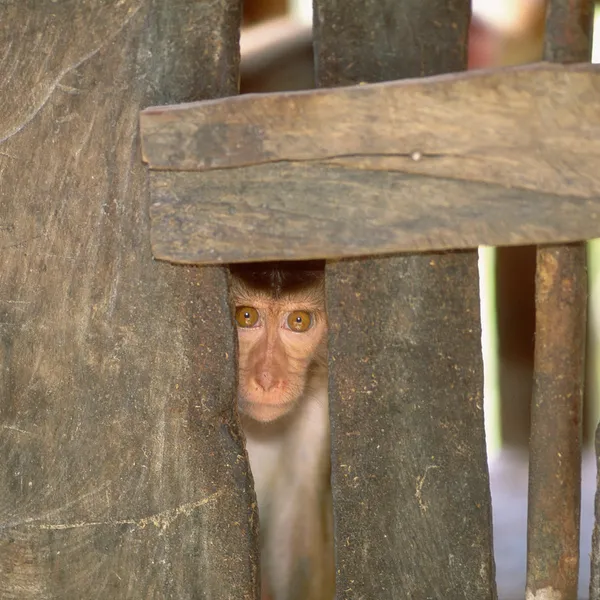
Consumer demand is the driver behind illegal wildlife trade. Products made from endangered species are often sought for their perceived medicinal benefits, aesthetic appeal, cultural significance, or status symbolism. Rhino horn and tiger bone products are deceptively marketed to cure diseases and improve health. Elephant ivory and rhino horn carvings are prized for their beauty and luxury. Exotic pets like reptiles and primates are collected for their rarity, while wildlife meat is consumed in some regions for status, medicine, or traditional reasons. These diverse motivations—rooted in misinformation, prestige, fashion, and tradition—continue to drive unsustainable exploitation of wildlife.
Broken systems and limited resources
Despite the improvements in many countries in recent years, the global response to wildlife crime remains fragmented, especially in areas of policy and governance. A patchwork of laws, slow judicial processes, and insufficient enforcement capacity create a low-risk, high-reward environment for poachers, traffickers, and buyers. Corruption further undermines governance and the sound management of natural resources, enabling illegal traders to bypass controls and avoid prosecution. These conditions allow organized criminal networks to thrive, threatening ecosystems and species, stealing from local and national economies, and contributing to broader societal instability and conflict. Strengthening legal frameworks, improving transparency, and investing in enforcement, livelihoods, and demand reduction are essential to curbing illegal wildlife trade and protecting ecosystems.
Impacts of wildlife crime
Wildlife crime is a global crisis with far-reaching consequences that extend well beyond biodiversity loss. The impacts of wildlife crime are complex and interconnected, threatening ecosystems and species survival, destabilizing economies and communities, and posing risks to global health and safety.
© Adriano Gambarini / WWF Living Amazon Initiative
Increases nature losses
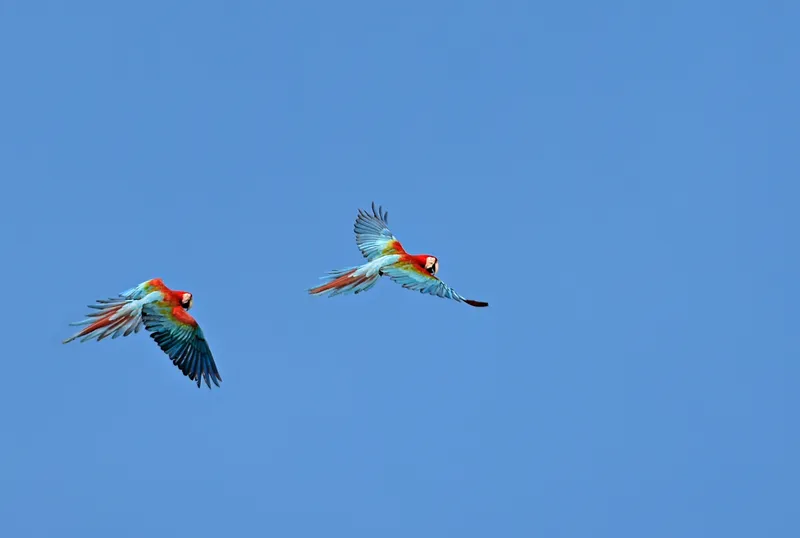
Wildlife crime is a major driver of biodiversity loss, especially in regions endowed with rare and unique species. These nature-rich hotspots—such as the Amazon, Greater Mekong, Congo Basin, and Southern Africa—are heavily targeted for sourcing wildlife, which can rapidly deplete target populations that are the cornerstones of their ecosystems. The relentless extraction of wildlife from these ecosystems, often without regard for sustainability, disrupts ecological balance. Additionally, illegal and unregulated wildlife trade contributes to the spread of invasive species. Animals released intentionally or accidentally—like pet Burmese pythons in Florida’s Everglades—can consume and outcompete native species, causing long-term ecological and economic damage.
© Troy Enekvist / WWF-Sweden
Expedites habitat degradation
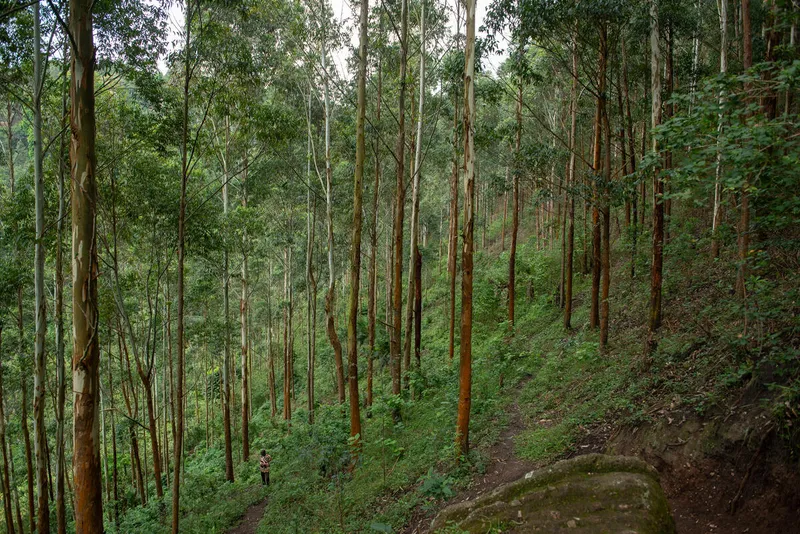
While wildlife trade alone is a significant threat, its impact is often compounded by habitat loss and other environmental pressures. The removal of key species from ecosystems can destabilize food chains and reduce the resilience of habitats to climate change and other stressors. As species disappear, the ecological integrity of forests, wetlands, and marine environments deteriorates, accelerating degradation and reducing the ability of nature to provide essential services to people like clean water, carbon storage, and soil fertility. The illegal take from the wild can happen fast, and at an industrial scale in some places, which for some local populations means they may never recover.

© WWF-US / Justin Mott
Fuels organized crime and funds armed groups
Wildlife crime is not just a conservation issue—it’s a global security concern. The trade is controlled by organized criminal networks that exploit weak governance and corrupt systems to traffic wildlife across borders. These networks often overlap with other illicit activities such as drug trafficking, arms smuggling, and human exploitation. In some cases, profits from wildlife crime have been linked to the funding of armed groups and terrorist organizations, further destabilizing regions and undermining peace and security.
© Michael Poliza / WWF
Undermines economies and threatens local livelihoods
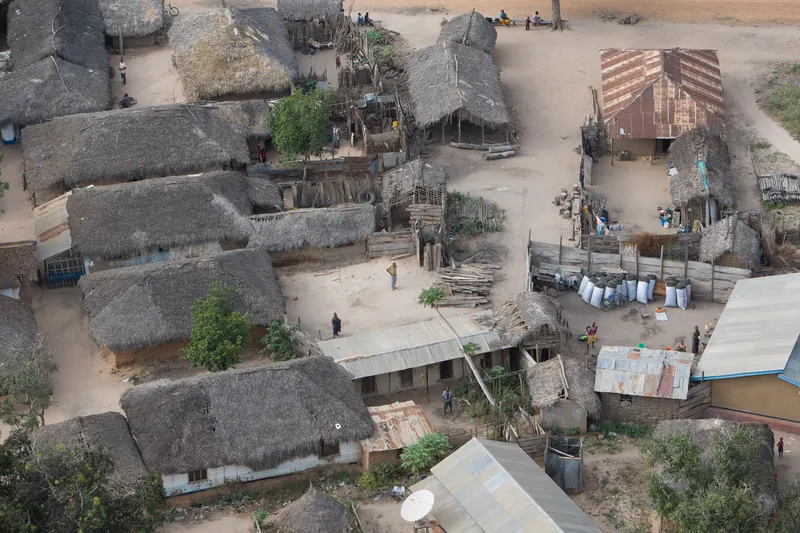
The theft of wildlife for illegal trade robs local communities of vital resources. Many rely on wild animals and plants for food, medicine, fuel, and income through tourism and ecosystem services. When these resources are depleted or stolen, communities suffer economically and socially. The long-term loss of nature also undermines legitimate businesses and national economies that depend on sustainable natural resource management.
© Brent Stirton / Getty Images / WWF
Zoonotic and pandemic disease risks
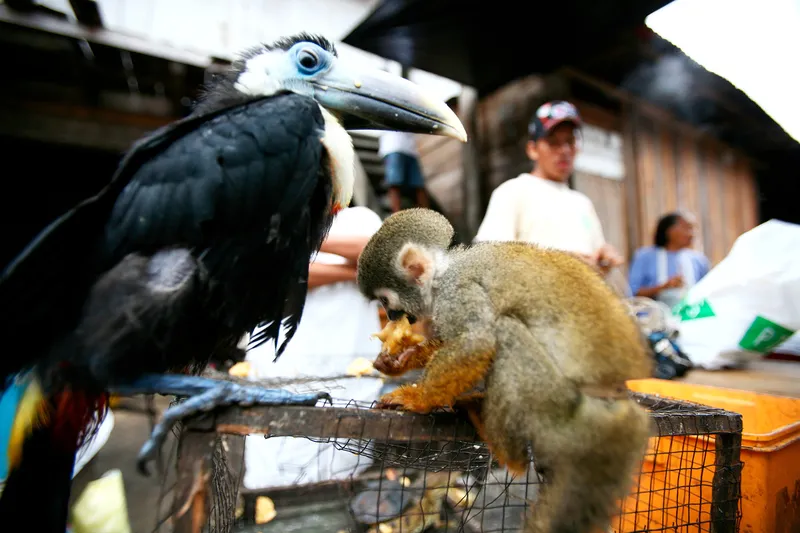
Poorly regulated and illegal wildlife markets create conditions ripe for zoonotic disease transmission. As animals are captured, transported, and sold in unsanitary, cramped, and stressful conditions, co-mingling species from different parts of the world, the risk of pathogens jumping from animals to humans increases. Wild-sourced animals are stored alive in markets across the globe for pets, medicine, and foods, where new and transmissible diseases can spread readily and have the potential for mutation to new strains of disease that can reach pandemic proportions. Examples of pandemic diseases believed to have originated from wildlife markets include SARS in 2002 and COVID-19 in 2019. It is vital to detect and close down illegal wildlife markets and ensure effective hygiene and health regulations for all wildlife markets.
How WWF is taking action to stop wildlife crime
We work closely with partners, including conservation organizations, local communities, governments, law enforcement, and the private sector. WWF's expertise ensures that the threats to the environment and people from illegal and unsustainable wildlife trade are tackled by a holistic and global approach.
© WWF-US / James Morgan
Technologies to stop poaching and trafficking
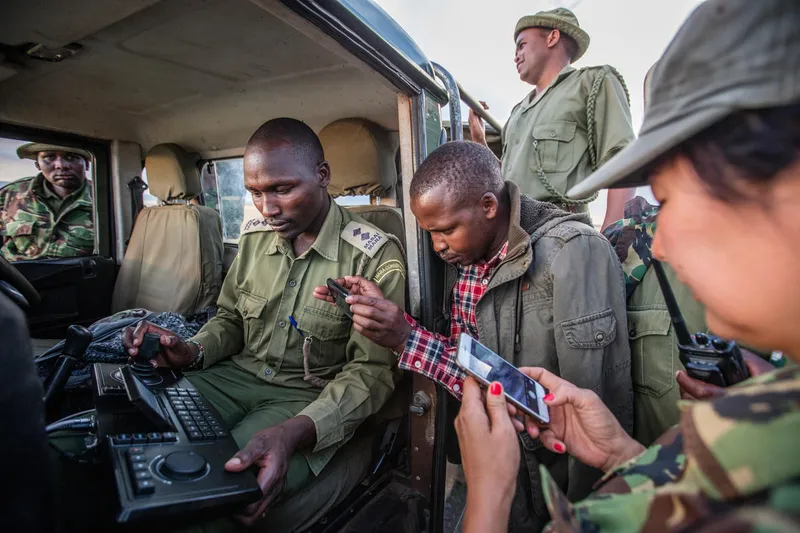
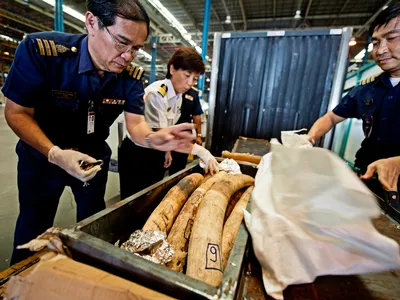
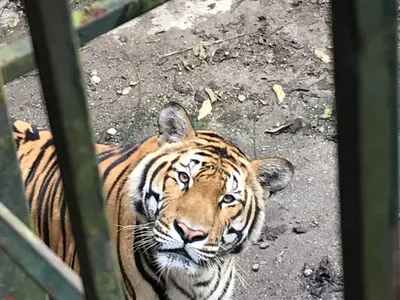
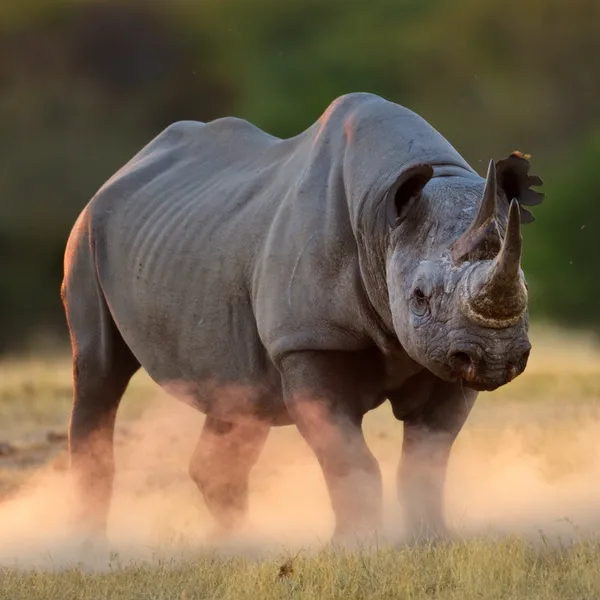
WWF is harnessing cutting-edge technologies to combat illegal wildlife trade. These include thermal cameras and artificial intelligence (AI) systems that enhance anti-poaching efforts to great effect, particularly in Africa, to prevent rhino poaching. At ports, X-ray scanners are being equipped with AI autodetection systems to alert to concealed wildlife products, while forensic tools such as DNA testing help trace the origins and prove the legal status of trafficked species, including those from tiger farms. WWF also supports innovations like sniffer dog vacuum systems for border controls, and online trafficking autodetection tools for e-commerce and social media sites. Through platforms like WILDLABS, WWF fosters collaboration and innovation in wildlife crime technology, ensuring that enforcement agencies stay ahead of traffickers both on the ground and online.
Collaborating with the private sector
WWF’s demonstrated impact through corporate partnerships is attributed to a holistic approach to disrupting wildlife trafficking across global supply chains. From engaging technology companies to deploy cutting edge interventions to stop poaching on the ground, to working with the transport sector to detect trafficked wildlife in transit, to exploring the role of the finance sector in disrupting financial flows, to partnering with social media companies to block illegal sales of wildlife online while also engaging their users to reduce demand, and collaborating with pet retailers to increase supplier transparency and engage potential pet owners.
Transport sector
In the transport sector, WWF partners with airlines, shipping companies, and organizations such as the International Air Transport Association (IATA), Airports Council International (ACI), and the International Maritime Organization (IMO). These collaborations support the industry in developing the policies, tools, and training to raise awareness and detect and deter wildlife trafficking in cargo and baggage. WWF also works with express courier services and local port authorities to strengthen detection and prevention efforts across global supply chains.
Tech sector
To address the growing threat of online wildlife trafficking, WWF co-founded the Coalition to End Wildlife Trafficking Online in 2018, alongside IFAW and TRAFFIC. The Coalition brings together over 50 leading e-commerce, social media, and technology platforms to harmonize wildlife policies, train staff to identify illicit listings, and enhance automated detection systems. WWF also encourages online users to be part of the solution by reporting suspicious wildlife listings directly in-app or through the Coalition’s reporting page.
Exotic pet sector
WWF combines expertise in conservation and legality with stakeholder collaboration across the areas of welfare, invasive species, and public health to guide decision-making on the live animal trade and exotic pet ownership in the United States. WWF developed and maintains an Exotic Pet Risk Filter and Responsible Pet Guide that evaluates and communicates potential risks linked with exotic pet ownership to help pet companies and pet owners make informed choices for the benefit of people, wildlife, and the planet. With the pet industry, WWF promotes live animal supply chain best practices and provides accurate information about responsible pet ownership for customer education.
Traditional medicine sector
WWF also works with the traditional medicine sector in Asia, where a significant portion of consumer demand for illegal wildlife products has stemmed from since the mid-2000s. In Viet Nam, WWF and TRAFFIC partnered with the National Institute of Medicinal Materials and the Ministry of Health to promote legal, safe, and sustainable alternatives to endangered species used as medicinal ingredients. We also engaged with traditional medicine practitioners and consumers in many countries in Asia to encourage the adoption of legal plant-based substitutes and reduce reliance on threatened wildlife-derived ingredients.

© WWF / James Morgan
Changing consumer behavior
Reducing consumer demand is critical to remove the financing that drives wildlife trafficking—without the buyers’ money, wildlife traffickers will have no capacity or incentive to operate. WWF works in key markets where demand for illegal wildlife products is highest, targeting not only consumers, but also shopkeepers, tour service providers, and suppliers. WWF’s behavior change approach aims to tap into consumers’ underlying motivations to purchase illegal wildlife products and, in the long term, to shift social norms around those purchases. WWF’s campaigns are grounded in behavioral science and tailored to cultural contexts in major Asian markets such as China, Thailand, and Viet Nam. Our campaigns have reached millions of consumers in Asia and led to measurable shifts in consumption habits.
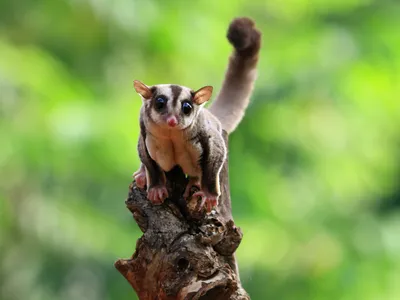
WWF addresses the growing threat of the exotic pet trade by educating consumers through the Responsible Pet Guide, launched in the US and Japan. This guide helps prospective pet owners assess species suitability based on conservation status, legality, public health risks, ecological impact, and animal welfare. A checklist tool further supports responsible decision-making by evaluating individual circumstances and potential risks.
Influencing laws and treaties
WWF plays a vital role in shaping and evolving laws and treaties to combat illegal wildlife trade through technical and scientific information and recommendations to governments and international treaties. WWF contributes to preventing illegal trade under the global wildlife trade treaty—the Convention on International Trade in Endangered Species of Wild Fauna and Flora (CITES)—by conducting research on trade routes, species impacts, and legal gaps. This information supports the development of new strategies to confront wildlife crime. WWF advocates for stronger national legislation and enforcement, especially in countries where resources are limited. WWF helps governments comply with international regulations by supporting program development, hosting workshops and trainings, and assisting in the creation of effective policies. In the United States, WWF was instrumental in supporting the development of national strategies and laws to strengthen efforts to combat wildlife trafficking, including the End Wildlife Trafficking (END) Act of 2016.
© CreativeLAB / WWF-US
Wildlife law enforcement support
WWF helps strengthen wildlife law enforcement through a broad range of initiatives that provide tools, training, management systems, public outreach, information, and data analysis nationally and regionally. At the regional level, WWF has formed Wildlife Crime Hubs that bring together partners with WWF experts and offices in a region to collaborate by implementing joint projects and sharing information. The Crime Hubs support the intergovernmental regional Wildlife Enforcement Networks (WENs) such as South Asia WEN and Central Africa WEN by collaborating with law enforcement agencies to improve detection, investigation, and prosecution of wildlife crimes. WWF also partners with national governments, non-governmental organizations, and local groups to build capacity and strengthen enforcement mechanisms on the ground. These efforts ensure that wildlife laws are not only enacted but also effectively implemented.
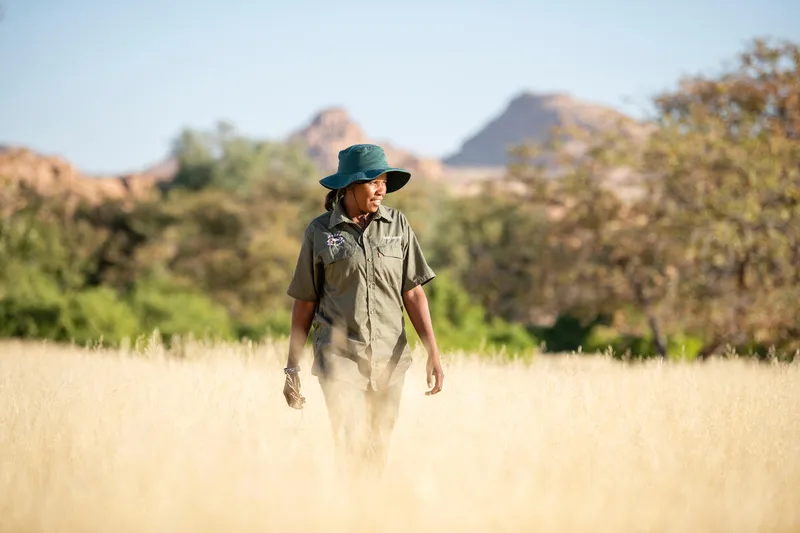
Another key component of WWF’s enforcement support strategy is empowering local communities to take part in protecting their natural resources. WWF supports community patrols and ranger programs that provide training, equipment, and logistical support to local individuals who serve as the first line of defense against poaching and trafficking. These community-led efforts are vital in remote areas where formal enforcement may be limited. By involving communities directly in conservation and enforcement, WWF fosters local stewardship and builds trust, making enforcement more sustainable and culturally grounded. These programs also create economic opportunities and strengthen the social fabric of conservation, helping communities see tangible benefits from protecting wildlife.
Wildlife crime projects
© Shutterstock / Ondrej Prosicky / WWF-Sweden
The Coalition to End Wildlife Trafficking Online
© WWF / James Morgan
Countering wildlife trafficking through automated detection ports
© Shutterstock/Kurit afshen
Responsible Pet Guide
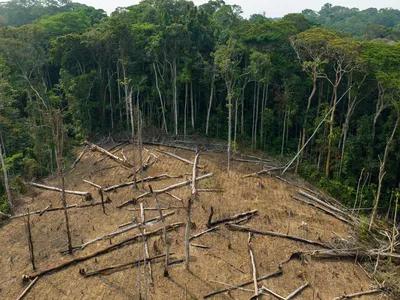
© Martin Harvey
Crime convergence: natural resource exploitation and transnational organized crime
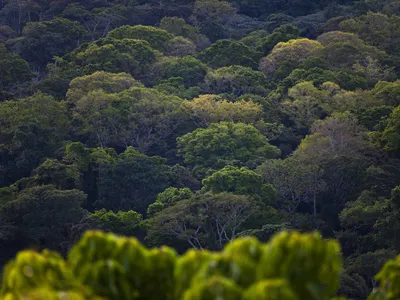
© Brent Stirton / Getty Images / WWF-UK
Targeting Natural Resource Corruption

© Diego Pérez / WWF Peru
Reducing demand for illegal wildlife products

© WWF-US/James Morgan
Wildlife Crime Technology Project
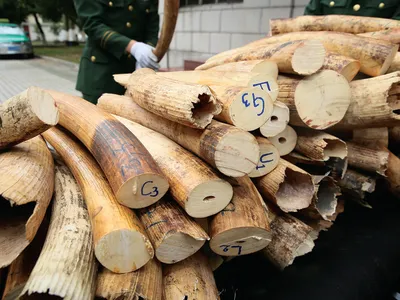
© A ran - Imaginechina
Legacy of the ROUTES partnership
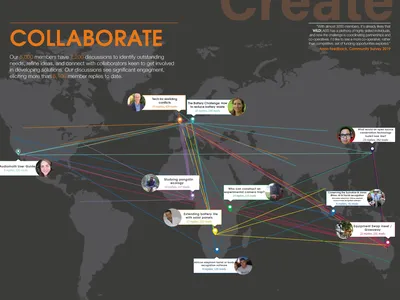
© WILDLABS
WILDLABS.NET
© WWF-US / Leigh Henry
Phasing out tiger farms
News and stories
Experts
-

Crawford Allan
Vice President, Wildlife Crime and Policy, Wildlife Conservation
-

Eric Becker
Lead Conservation Engineer, Wildlife Conservation Program
-

Giavanna Grein
Lead Specialist, Wildlife Conservation
-

Abby Hehmeyer
Lead, Biodiversity Monitoring & Conservation Technology, Wildlife Conservation
-
Leigh Henry
Director, Wildlife Conservation
-
Bas Huijbregts
African Species Director, Wildlife Conservation Program
-

Anny Liang
Senior Specialist, Behavior Change, Wildlife