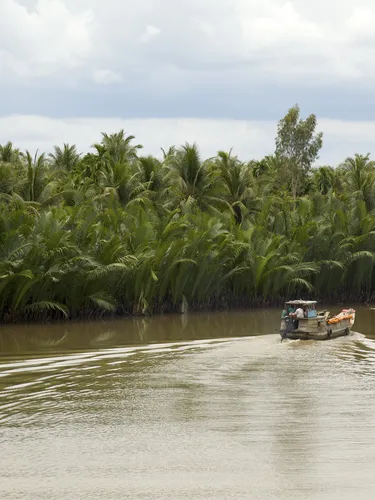
© Adam Oswell / WWF-Greater Mekong
Greater Mekong
The Greater Mekong region holds irreplaceable riches—from rare wildlife in spectacular natural landscapes to communities with distinct cultural heritages. The vast region spans over 650 million acres across five countries: Myanmar, Lao PDR, Thailand, Cambodia, and Viet Nam, and contains some of the most biologically diverse habitats in the world.
This region is the “rice bowl” of Asia, and at its heart is the Mekong River, whose life-giving waters drive the enormous productivity of this system. Winding almost 3,000 miles from the Tibetan plateau down to the South China Sea, the Mekong River is often referred to by those in the region as the “mother of all things”. Tens of millions of people depend on the river for their food, livelihoods, and water. Traditional communities deeply cherish their connection to the river, engaging in festivals and daily rituals that remain central to their way of life.
Unprecedented social and economic development in the Greater Mekong makes conservation work here especially urgent and significant. The impacts of climate change, including rising temperatures and changes in precipitation, further exacerbate threats to the region’s habitats and natural resources. At WWF, we’re working to safeguard the Greater Mekong’s rich biodiversity and create healthy, resilient ecosystems that benefit wildlife and people for generations to come.
News and stories
Wildlife of the Greater Mekong

© Zeb Hogan / WWF-Canon
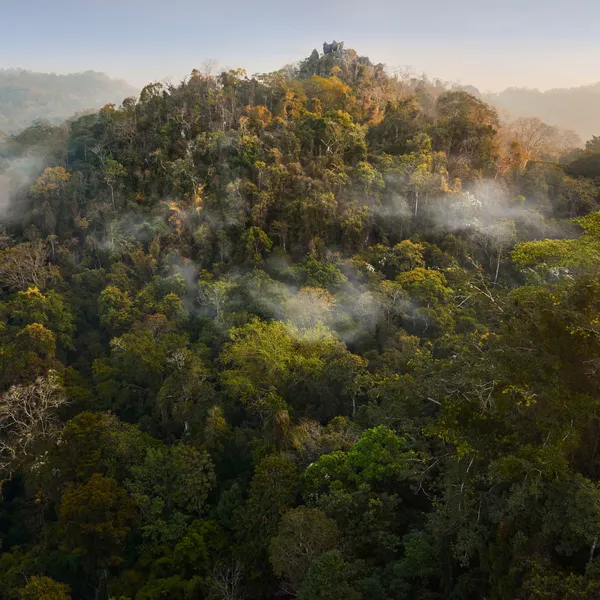
The Greater Mekong has no fewer than 20,000 species of plants, 1,300 bird species, more than a thousand species of reptiles and amphibians, and more than 500 mammal species. Many rare, threatened, and endemic species occur in the region, including crested gibbons, forest pheasants, box turtles, and the elusive saola.
The Mekong River is one of the most fish-biodiverse rivers in the world relative to its size and hosts one of the planet’s largest animal migrations. Around 5 billion fish are estimated to move from the Tonle Sap River towards the Mekong each year. At least 1,200 freshwater species swim the waters of this mighty river, including the Irrawaddy dolphin, the giant freshwater stingray—which can weigh up to 1,300 pounds—and the iconic and critically endangered Mekong giant catfish that can reach nearly 10 feet in length.
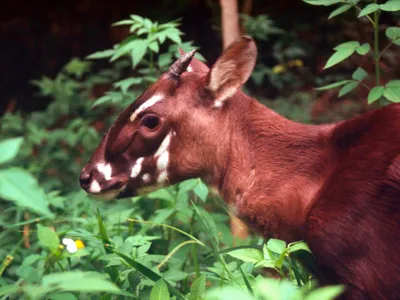
Saola
Often called the Asian unicorn, little has been uncovered about the enigmatic saola in the three decades since its scientific discovery.
© David Hulse / WWF
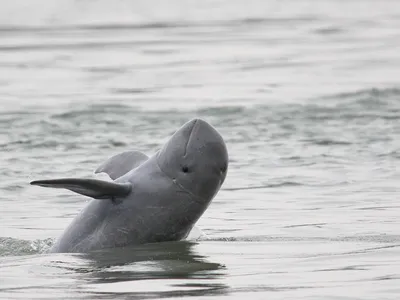
Irrawaddy dolphins
Irrawaddy dolphins are found in coastal areas in South and Southeast Asia, and in three rivers: the Ayeyarwady (Myanmar), the Mahakam (Indonesian Borneo) and the Mekong.
© WWF Greater Mekong
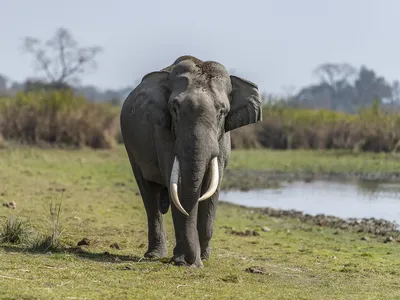
Asian elephant
The Asian elephant is the largest land mammal on the Asian continent.
© WWF-Sweden / Ola Jennersten
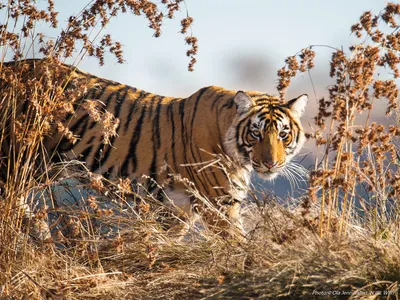
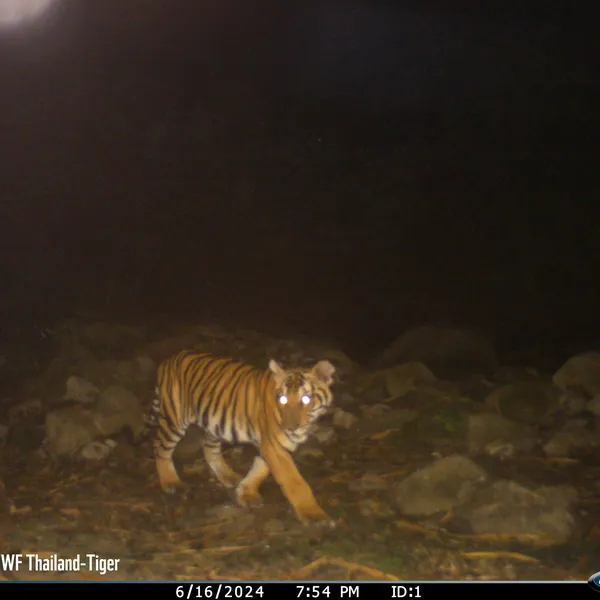
Tiger
© OLA JENNERSTEN/WWF-SWEDEN
People and communities of the Greater Mekong

© Adam Oswell / WWF-Greater Mekong
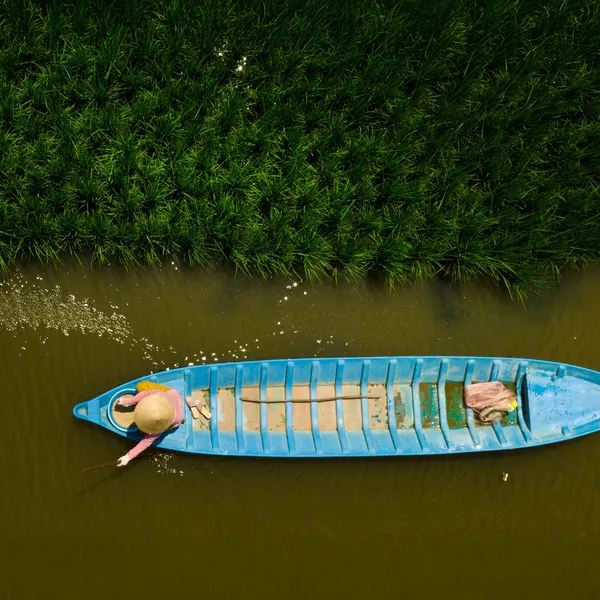
The Greater Mekong region is home to more than 300 million people from nearly 100 distinct ethnic groups. The natural environment is deeply entwined with Indigenous cultures and essential for food security and livelihoods.
The fishes of the Mekong River make an enormous contribution to people living in the region. In total, the Mekong Basin produces 15 percent of the world’s annual inland fish catch, making it the world’s largest inland fishery and integral to the livelihoods of tens of millions of people.
Greater Mekong under threat

© Elizabeth Kempf / WWF-Canon
Effects of climate change
The Greater Mekong region is highly vulnerable to climate change, which can cause shifts in species distributions, changes in the water cycle, and alterations in ecosystem structure and function. These changes can trigger cascading impacts that threaten the region’s people, biodiversity, and natural resources.
For example, changes in precipitation patterns are impacting water availability, which is already under pressure from infrastructure development and poor water management. Coastal communities in the Mekong Delta—an area vital to food security in Viet Nam and the region— face threats of inundation caused by rising sea levels. These can impact fisheries and agricultural productivity, leading to loss of livelihoods and food scarcity. As people and wildlife are forced to seek food and water elsewhere, incidents of human-wildlife conflict can increase.
Illegal wildlife trade
Illegal wildlife trade results in the loss of precious species and severely alters the ecosystems in which wildlife and people live. Southeast Asia is known as a wildlife trade “hot spot” due to demand for endemic wildlife and as a global illegal transport hub for wildlife and their parts and products.
Iconic species like tigers and Asian elephants hang in the balance while others have been driven to extinction, like the Javan rhino in Viet Nam, which was declared extinct in 2011. Rhino horn, elephant ivory, pangolin scales, tiger products, rosewood, and more continue to command high prices among consumers. Demand for exotic pets, bushmeat, luxury foods, and traditional medicines significantly contributes to the illegal wildlife trade crisis in the region and raises the risks of zoonotic diseases.
Habitat loss and degradation
Forest cover in the Greater Mekong has fallen from over 55% in the early 1970s to 34% today. Similarly, wetlands, grasslands, and other habitat types are being lost or degraded across the region. Population growth, poor land-use planning, large-scale agriculture, and unsustainable logging and infrastructure expansion have led to deforestation and biodiversity loss across the Greater Mekong region. Deforestation can cause reduced water retention capacity, erosion, and increase runoff, which can contribute to droughts, water pollution, and flooding. The conversion and loss of wetlands and floodplains increase the risk of upstream and downstream floods, impacting human communities and settlements. Flooding also reduces breeding and nursery areas for fish, thus hindering the overall productivity of the river.
The loss of forest biodiversity and connectivity reduces the region's resilience to climate change and increases risks to communities, like increased potential for zoonotic diseases and worsened water quality.
Infrastructure
Infrastructure development is necessary to improve the lives of millions of people in the region, but if it is not planned sustainably, it can also create serious and irreversible problems. Areas that were once remote are transforming fast in the Greater Mekong region, and the demand for energy and natural resources is reaching new heights. Countries are rolling out economic plans at unprecedented scale, including the construction of new hydropower dams, roads, and trains that enable the free flow of goods and people across national borders. This could not only fragment and degrade habitats and biodiversity, but also threaten the health, food security, and livelihoods of people. If actions to restore and protect nature are integrated throughout the infrastructure life cycle, it will allow both people and nature to thrive.

© Adam Oswell / WWF-Greater Mekong
WWF is taking action to protect the Greater Mekong

© Tanya Petersen / WWF-Canon
Stopping wildlife trade and overexploitation
Wildlife poaching for illegal trade of live animals as pets, food, and certain traditional medicine practices are dangerously depleting the region’s wildlife populations. WWF partners with local institutions and national governments to help manage and protect wildlife and their habitats—strengthening enforcement to limit illegal encroachments into protected areas and engaging local communities to participate in the conservation of the nature they depend on. We use behavior change techniques to reduce demand for illegal wildlife products—such as elephant ivory and wild meat—through long‑term, targeted campaigns that shift consumer motivations and social norms in the Greater Mekong region.

© Howard Cheek / WWF-Greater Mekong
We also work to reduce demand for protected wildlife as pets, as parts, and as products and to stop the illegal wildlife trade online. Launched in 2018 by WWF, TRAFFIC, and ifaw, the Coalition to End Wildlife Trafficking Online collaborates with over 40 leading tech companies such as Meta, Tik Tok, and Alibaba to standardize prohibited wildlife policies, train staff to better detect prohibited wildlife, enhance automated detection filters, and educate and empower users to report suspicious listings. Between 2018 and 2025, the companies blocked over 63 million prohibited wildlife sales and accounts.
Protecting freshwater resources
Overfishing and unintentional bycatch are also significant threats to the fish populations of the Mekong. WWF is working with local communities and fisheries to sustainably manage fish and conserve river dolphins. We also support alternative livelihood development such as aquaculture, chicken raising, and home-gardens, to reduce fishing pressure and dolphin bycatch, as well as alleviate poverty in riverside communities.

© Shutterstock / Suriya99 / WWF
Within the corporate sector, we work to improve water stewardship and promote sustainable business practices while strengthening community resilience. For example, WWF and WaterAid’s “Cambodia Mekong River Collective Action Program” is helping reduce the impacts of corporate supply chains on water resources and improve energy efficiency. And in the Mekong and Dong Nai deltas in Viet Nam, WWF is working with corporate partners and local communities to improve supply chain sustainability and address environmental challenges in agriculture, aquaculture, and the textile sector.
Addressing climate change
Anticipated impacts from climate change create an urgent need to build resilience in conservation landscapes in the region. WWF carries out climate change vulnerability assessments in priority landscapes—evaluating food and water security, migration, disaster risk, and impacts to nature. We provide this science to protected area managers in order to help them better understand climate risks and how to address them. Moreover, when designed correctly, nature-positive livelihoods can help to build community resilience and protect the biodiversity and ecosystems they depend on. This work will help build resilience to climate change hazards like sea-level rise, extreme flooding, and drought events.
Promoting sustainable forestry
The region’s forests are under increased pressure due to rising global demand for products like wood, paper, and natural rubber. To address this threat, WWF promotes responsible forestry and rubber production, as well as sustainable trade practices and product consumption through the adoption of credible forest certification standards like the Forest Stewardship Council® (FSC®) certification, among other initiatives.

© WWF
At a local level, WWF works with communities and partners to integrate sustainable landscape and land-use planning into existing development plans and to promote community-based natural resource management. We also work with companies through our Forests Forward corporate engagement program to improve their “forest footprint” and source forest-related commodities more sustainably. WWF's Nature-Based Solutions Origination Platform (NbS-OP) helps connect these companies and other funders to high-quality investment opportunities that generate quantifiable impacts across key tropical forest landscapes, including in the Central Annamites of Viet Nam.
Building a balanced sustainable infrastructure system
WWF is the only organization working across the Mekong River from source to sea. While infrastructure development supports economic growth and connectivity, it can also pose serious risks to biodiversity and local livelihoods.
WWF works with governments and the private sector to promote alternative energy solutions, such as solar, that are less harmful than hydropower dams. When dams are poorly placed, they can disrupt fish migration, alter sediment flows, and threaten food security. By integrating nature into infrastructure planning, development can benefit both nature and communities.
Implementing sustainable agricultural practices
The region’s transition from subsistence farming to commercial agriculture presents one of the most serious threats to biodiversity. Today, the intensive production of agricultural commodities is responsible for the conversion of forest habitats into commercial crops, including cassava, maize, rubber, sugarcane, and the main staple, rice. With regional demand continuing to rise for these water-intensive crops, WWF works with local communities and industry to encourage responsible agricultural practices that minimize habitat loss and reduce impacts on water use and quality.

© Adam Oswell / WWF-Greater Mekong
Building momentum for Asian elephant conservation
Building on the launch of WWF’s regional Elly Allies initiative in August 2023, we’re working to build momentum for Asian elephant conservation in Southeast Asia. Elly Allies is a WWF initiative that strives to address the urgent threats Asian elephant populations face in Southeast Asia and China, promoting a future in which key elephant populations are thriving, habitat loss and fragmentation are reduced, and people and elephants can coexist sustainably.
Conservation beyond protected areas
“Other effective area-based conservation measures”, or OECMs, lie outside of protected areas and deliver long-term biodiversity conservation under equitable governance and management. WWF-Thailand is working with the government and other partners to develop a program of work on OECMs in Thailand, including a regional framework to improve Mekong River governance. We’re providing technical guidance and helping facilitate the development of a human rights-based approach to tackle biodiversity and climate change challenges and to protect and restore critical ecosystems.
Publications
Experts
-
Crawford Allan
Vice President, Wildlife Crime and Policy, Wildlife Conservation
-
Sarah Davidson
Director of Water Policy
-
Dechen Dorji
Vice President for Asia, Wildlife Conservation
-

Nilanga Jayasinghe
Director, Asia Wildlife, Wildlife Conservation
-
Harry Jonas
Senior Director, Conservation Areas
-

Shaun Martin
Vice President, Adaptation and Resilience, Deputy Lead, Climate Change
-
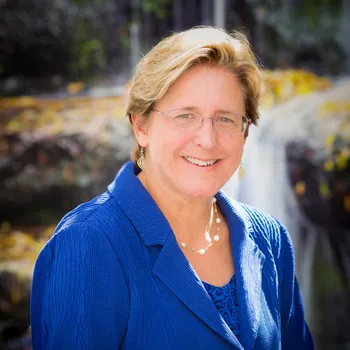
Kate Newman
Vice President, Sustainable Infrastructure and Public Sector Initiatives
-

Jeff Opperman
Global Freshwater Lead Scientist
-
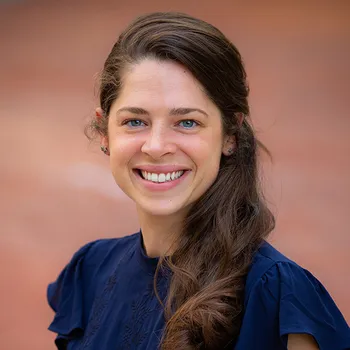
Annika Terrana
Director, Forests
-
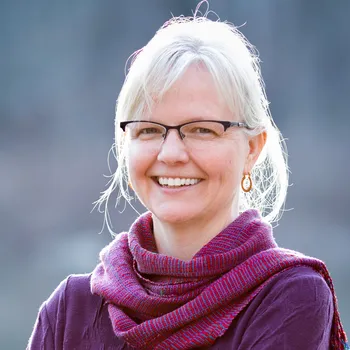
Michele Thieme
Vice President and Deputy Director, Freshwater
-
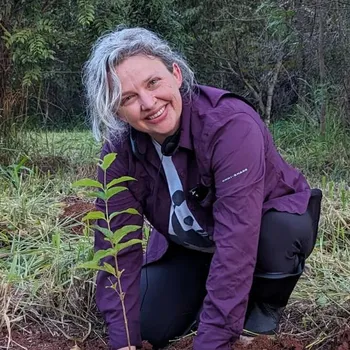
Stephanie Wester
Senior Program Officer, Nature-Based Solutions & Corporate Engagement, Forests