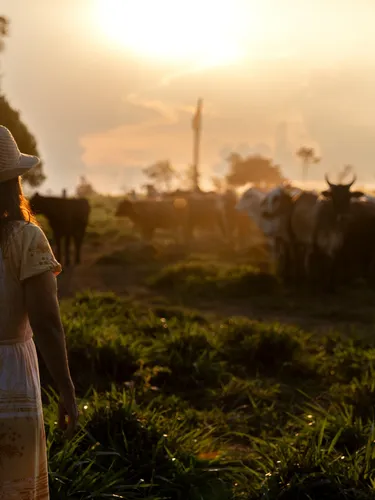
© WWF-US/Yawar Films
The Nature-Based Solutions Origination Platform
The Nature-Based Solutions Origination Platform is WWF’s innovative vehicle to deliver nature-based solutions at scale—benefiting people, climate, and nature across some of the world’s most vital forest landscapes.
Nature needs investment now
Nature is our greatest ally in addressing the urgent challenges of climate change, biodiversity loss, and community vulnerability. Take forests, for example. They regulate rainfall, clean water, store carbon, and provide livelihoods for billions of people across the globe.
In fact, science shows that nature-based solutions—natural systems or processes used to help achieve societal goals—and the broader land sector could contribute up to 30% of the climate mitigation needed by 2050 to meet the Paris Agreement’s objective of limiting global warming.
Yet, these solutions remain woefully underfunded, with the world currently facing an annual gap of up to $900 billion in the financing required to protect and restore nature. Without urgent investment, the ecosystems we depend on—for food, water, health, and stability—will continue to erode.
Businesses and philanthropies increasingly understand these risks, but they lack access to credible, large-scale projects that deliver durable impact. That’s why WWF created the Nature-Based Solutions Origination Platform (NbS-OP).
Impact with integrity at scale
The NbS-OP is WWF’s innovative vehicle to build and deliver investment-ready, high-integrity forest interventions at a scale that matches the challenge. Designed and implemented in collaboration with local partners, including Indigenous Peoples and local communities, our on-the-ground interventions combine forest protection, restoration, and sustainable management with the enabling conditions—improved governance, policy support, and capacity building—as well as financing to create lasting impact.
The NbS-OP works hand in hand with WWF’s Forests Forward corporate engagement program, which guides businesses on everything from sourcing responsibly to supporting the platform’s landscape interventions.
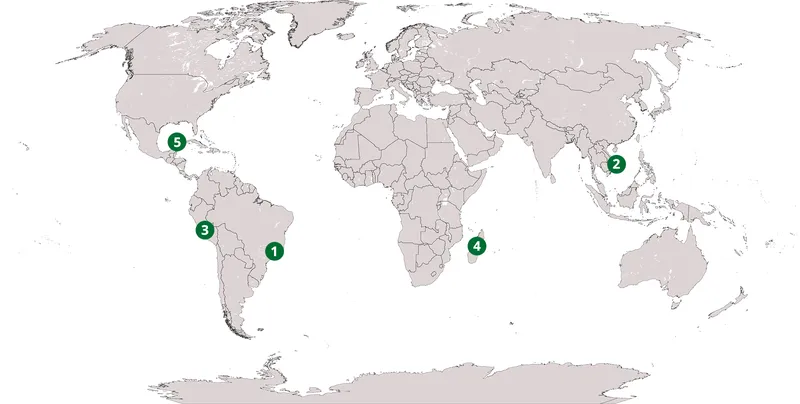
Launched in five priority tropical forest landscapes in Brazil, Madagascar, Mexico, Peru, and Viet Nam, the NbS-OP connects funders directly to conservation actions. Over the next 10 years, 15 initial investment offerings are projected to deliver real-world outcomes, including:
-
14.5 million hectares
14.5 million hectares conserved, restored, or sustainably managed
-
22 million metric tons
22 million metric tons of CO2 removed, plus 24 million metric tons avoided
-
167,000 households
Direct benefits for 167,000 households and more than 660,000 people
News and stories
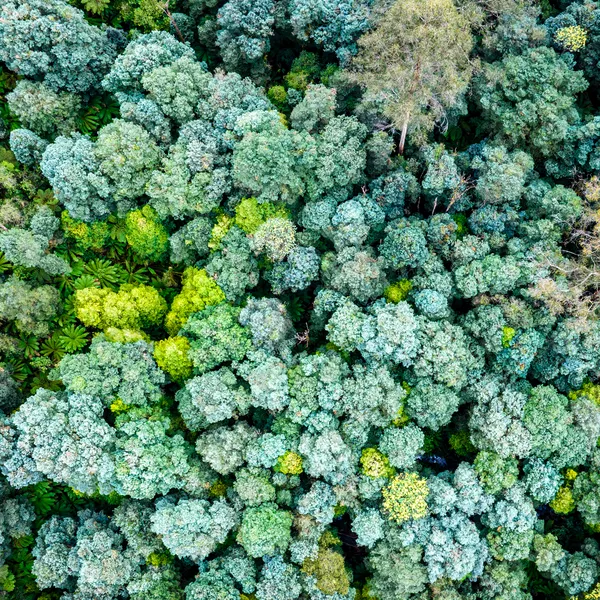
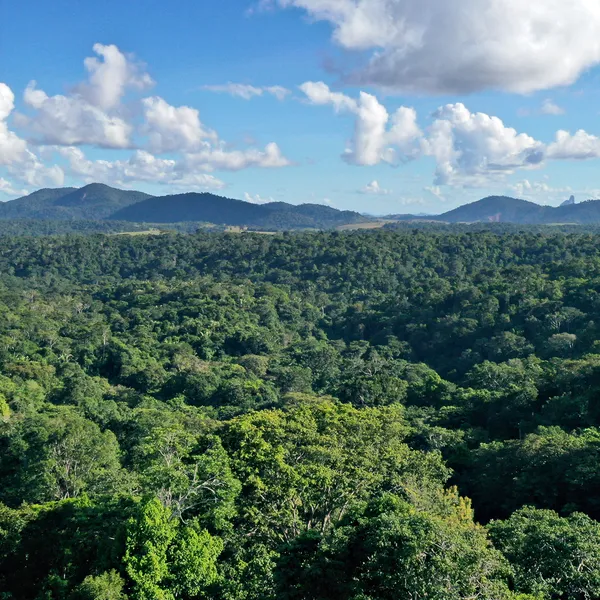
Originating deals for people, nature, and climate

© WWF Graphic
The NbS-OP in action
© WWF Graphic
The initial NbS-OP priority landscapes include:
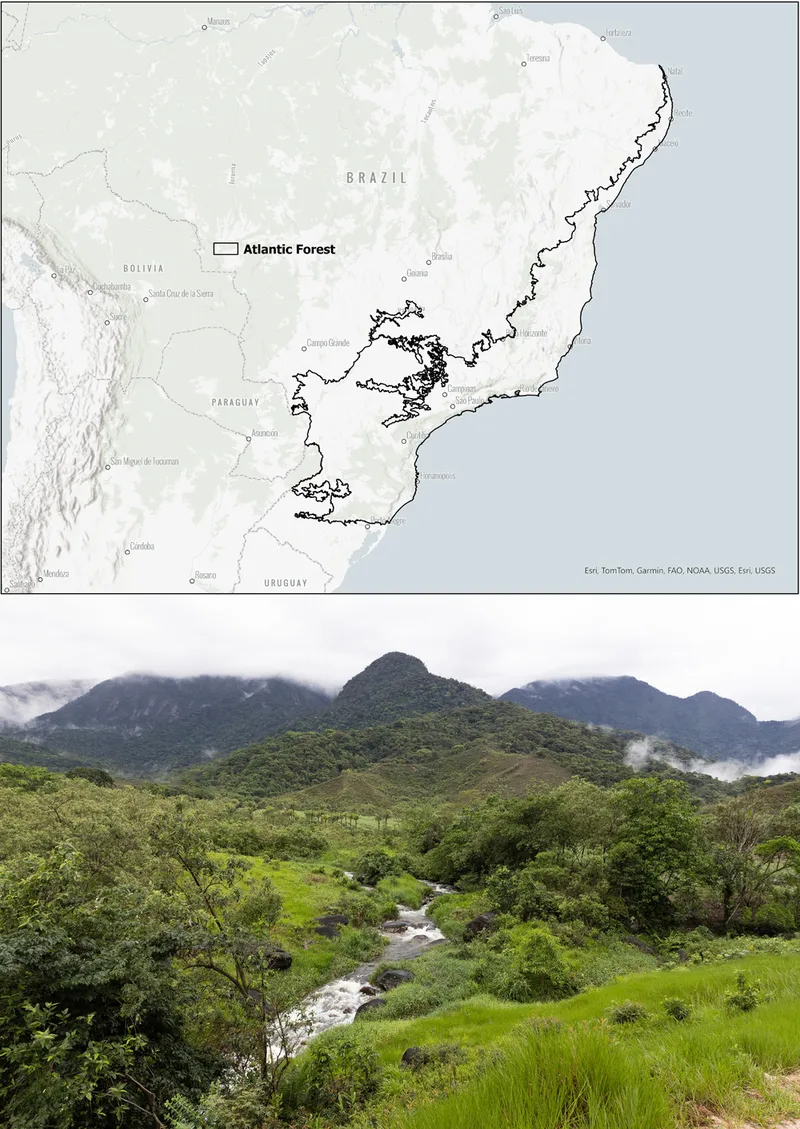
1. Atlantic Forest (Brazil)
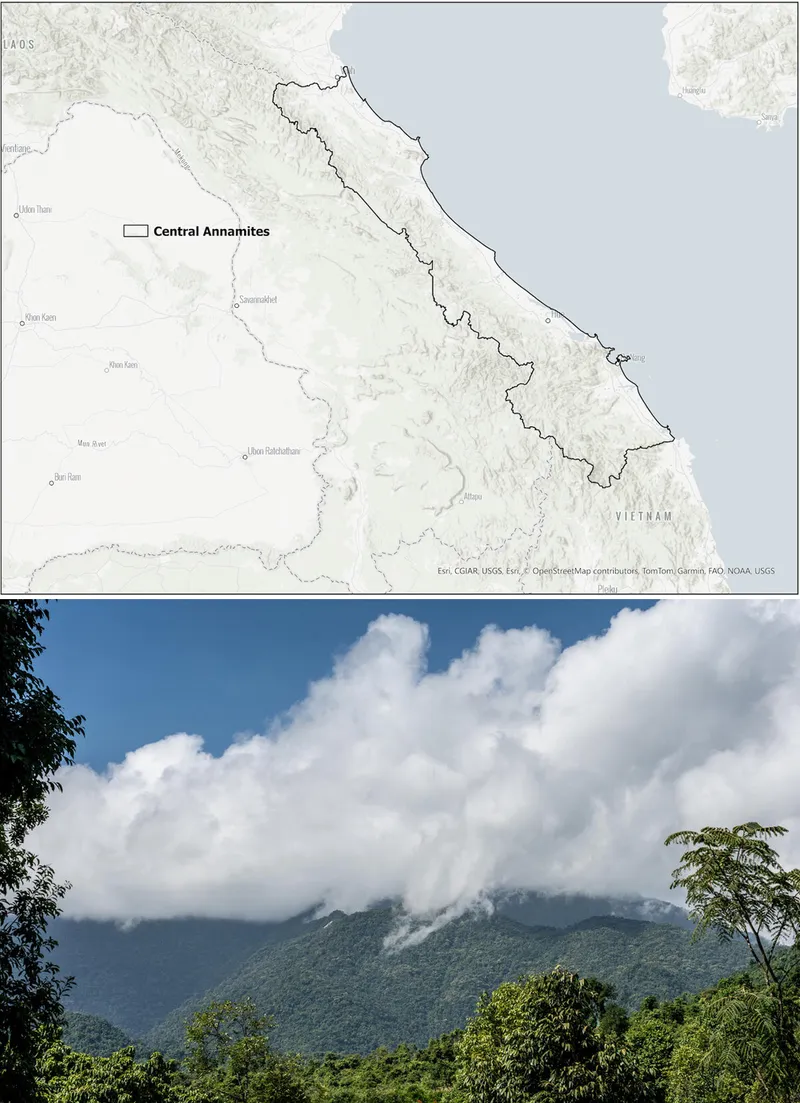
2. Central Annamites (Viet Nam)
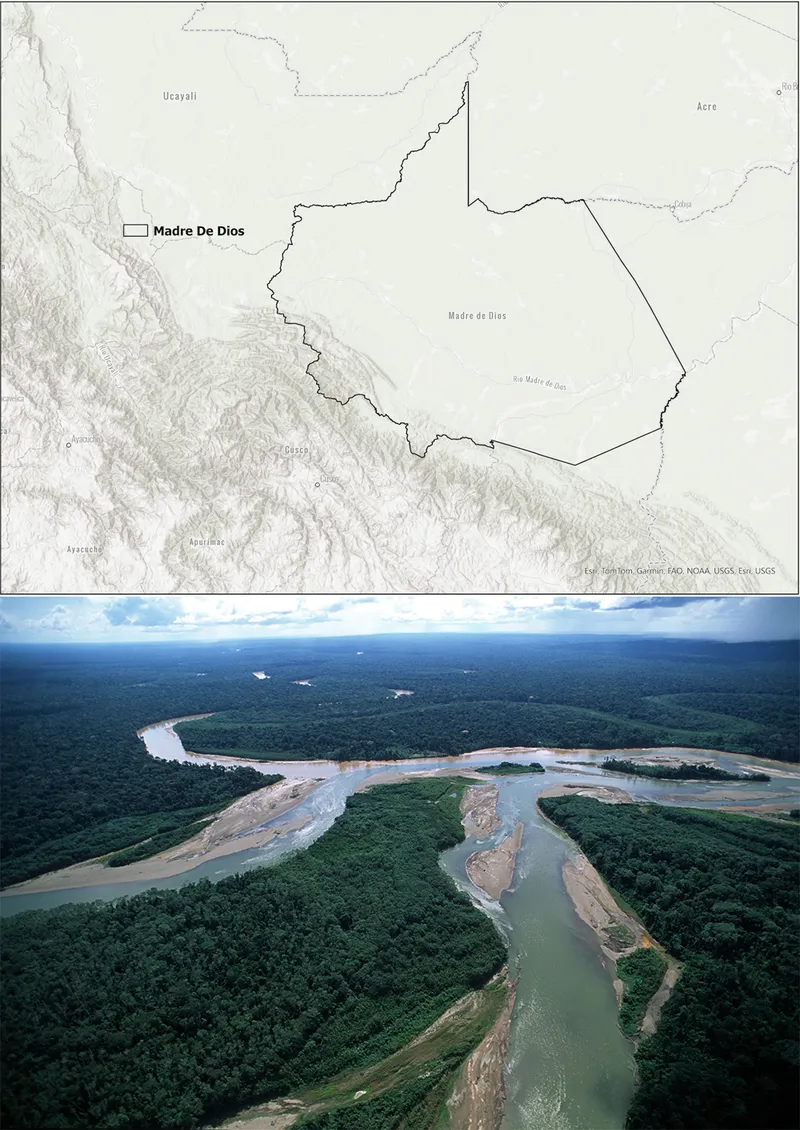
3. Madre de Dios (Peru)
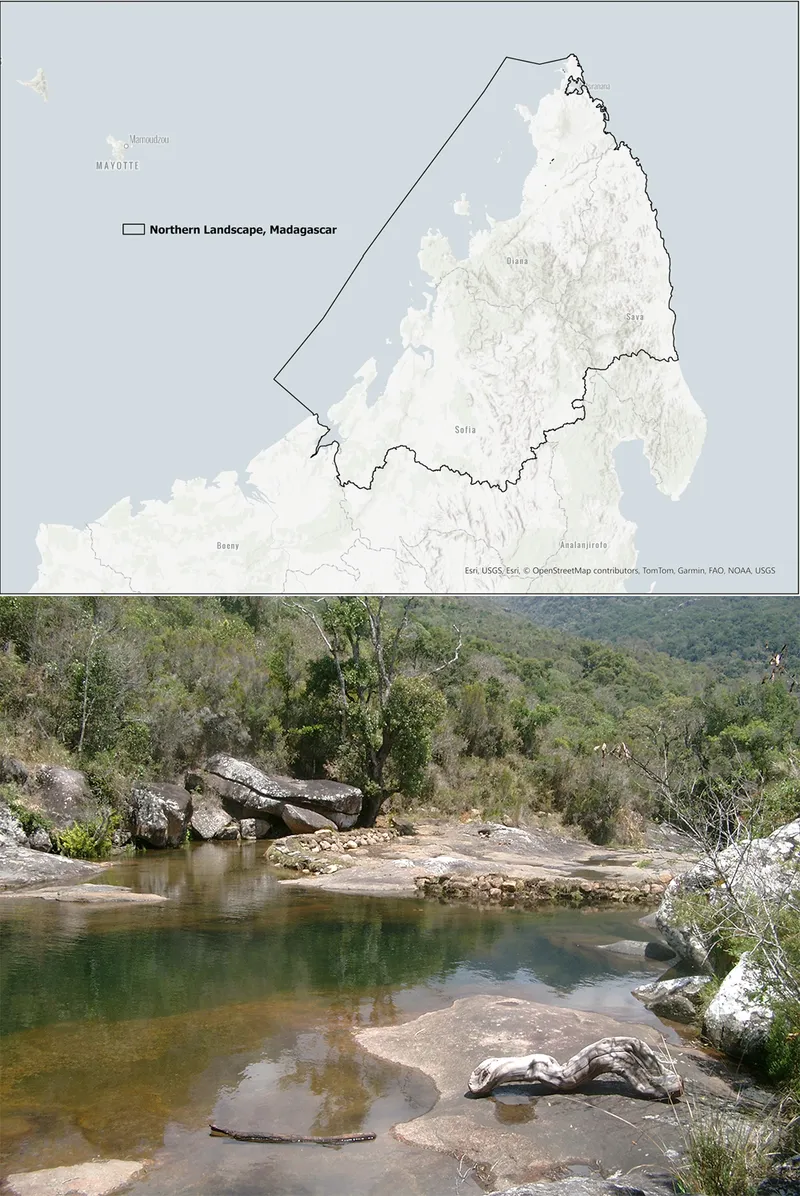
4. Northern Landscape (Madagascar)
5. Yucatán Peninsula (Mexico)
© Jody MacDonald / WWF-US
Atlantic Forest, Brazil
The Atlantic Forest, a global biodiversity hot spot, contains 7% of Earth’s plant species and 5% of the planet’s vertebrate species, as well as around 150 million people. It is also one of the world’s largest freshwater reservoirs, supplying water to more than half of the Brazilian population. The hydropower generated from the Paraná River alone provides electricity for more than 60% of the surrounding countries’ populations.
Human activity has destroyed more than 80% of the original vegetation in Brazil’s Atlantic Forest. Today, it is fragmented due to agriculture and urban development, which threaten the forest and its ability to provide wildlife habitat, clean air and climate regulation, soil protection, pollination, food, medicine, and drinking water to the millions of people who rely on it.
WWF is partnering with diverse stakeholders to restore crucial biodiversity corridors and protect critical species; strengthen governance and capacities for forest landscape restoration; and improve the protection and management of key protected areas.
Did you know?
• The Atlantic Forest contains 7% of Earth’s plant species and 5% of the planet’s vertebrate species.
• The name “jaguar” comes from the Tupi and Guarani languages of South America and means “true, fierce beast” and “he who kills in one leap.”
© WWF-US / Justin Mott
Central Annamites, Viet Nam
The Central Annamites cover more than 12.8 million acres, making the landscape home to one of mainland Asia’s largest contiguous natural forests. Composed of tropical evergreen forest and subtropical evergreen forest, the region boasts some of the planet’s most spectacular biodiversity, including many rare and endemic species. The ecosystem is also vital to local livelihoods and a significant contributor to the economies of Viet Nam and Laos.
This magnificent landscape faces myriad threats from illegal logging, agricultural expansion, tree plantation expansion, infrastructure development, deforestation, and mining.
WWF’s vision is to restore the region’s forests, increase biodiversity, and build community resilience throughout the Central Annamites. This entails enhancing protection across 747,000 hectares of natural forest and restoring 14,000 hectares. It also involves improving the management of 165,000 hectares of forest in plantations and natural forests owned by smallholders and companies, which would, in turn, improve the livelihoods of those dependent upon forest resources.
Did you know?
• The Central Annamites are home to one of the largest and last contiguous forests in continental Asia.
• The rarely seen saola, often referred to as the "Asian unicorn," is a critically endangered mammal from this region, and none are known to exist in captivity.
© André Bärtschi / WWF
Madre de Dios, Peru
Located in southeastern Peru, the dense forests of Madre de Dios are considered the country’s biodiversity capital, making up 12% of the Peruvian Amazon and spanning 8.5 million hectares. This vast area includes a network of freshwater ecosystems containing many iconic and endangered species. It is also home to 37 native communities from 10 distinct ethnic groups—including Indigenous Peoples in voluntary isolation.
Despite having more than three-quarters of the territory designated as Natural Protected Areas, other conservation reserves, and forest concessions—including the largest Forest Stewardship Council® (FSC®)-certified managed forest area in Peru—the region is threatened by gold mining, illegal logging, unsustainable planned and unplanned infrastructure, unsustainable forest practices, and agricultural expansion.
Critical interventions in this landscape include
Promoting and consolidating deforestation-free and responsible supply chains for cattle ranching, timber, and nontimber forest products
Advancing ecological and productive restoration to enhance ecosystem resilience and maintain landscape connectivity—essential for safeguarding biodiversity and supporting jaguar conservation
Mobilizing innovative conservation finance mechanisms, such as Peru’s Natural Legacy (Patrimonio Natural del Perú) and other area-based conservation approaches, to secure long-term forest conservation, strengthen rural livelihoods, and build climate resilience
Did you know?
• Madre de Dios is home to more than 1,000 species of birds.
• This landscape's giant otters—referred to locally as "river wolves"—are larger cousins of badgers and minks.
© Doris Calegari/WWF-Switzerland
Northern Landscape, Madagascar
Madagascar’s northern landscape, including all of the Diana region and parts of the Sava and Sofia regions, contains one of the island country’s largest forest blocks. Comprised of rain forests and mangroves, this majestic area forms a natural barrier against the cyclones common to the east of Madagascar.
Home to more than 1 million people, the area’s 4.6 million hectares of diverse ecosystems include wetlands and savannas. Of the more than 2,281 species identified here, 538 are endemic. Additionally, the forest block is located at the heart of the six great rivers that flow throughout the area, providing several million people with water for drinking and agriculture.
Agricultural expansion, illegal logging, climate change, illegal fishing, and deforestation currently threaten this vital landscape. To achieve a sustainable development model in the region, WWF is focused on an integrated approach to forest protection that combines biodiversity conservation and community development.
Did you know?
• Roughly 80% of the world’s vanilla comes from this part of Madagascar.
• This region is home to the silky sifaka, whose name translates to “angel of the forest"— a nod to its white fur.
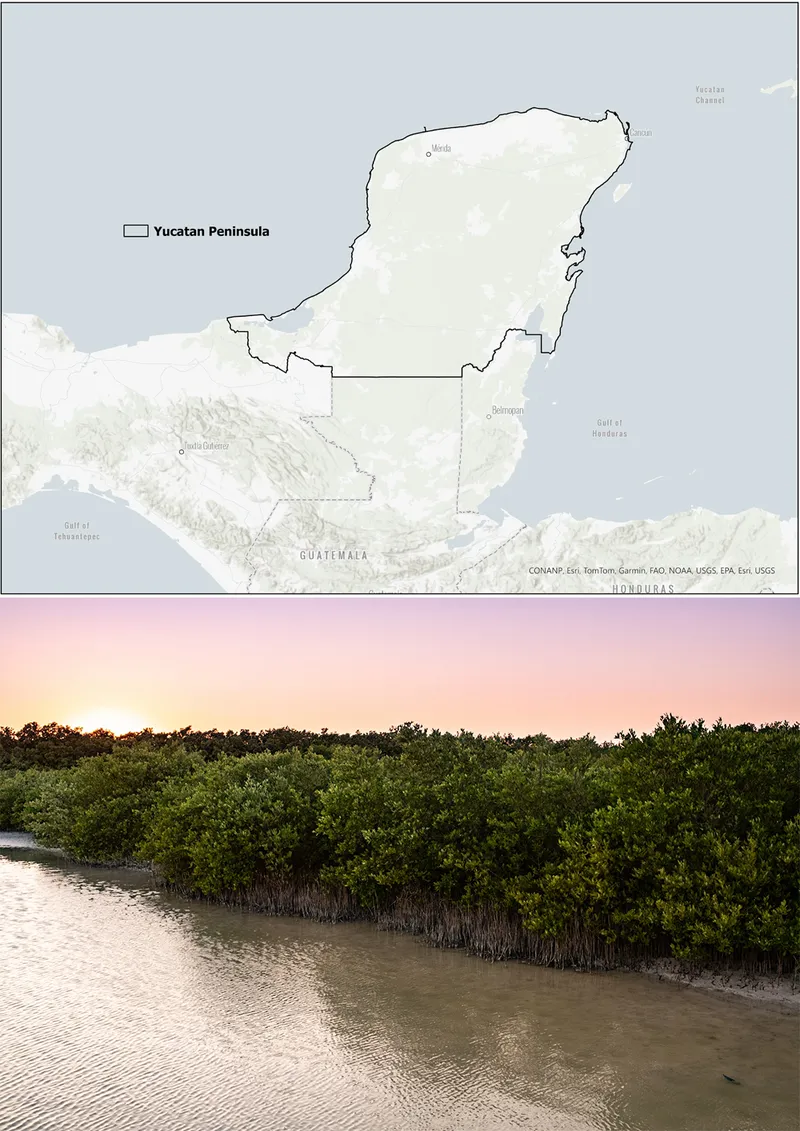
© Jason Houston / WWF-US
Yucatán Peninsula, Mexico
The Yucatán Peninsula is home to endemic species, like the Yucatán black howler, and keystone species, such as the iconic jaguar. The peninsula hosts the largest underground aquifer in the world and the second-largest contiguous tropical rainforest in the Americas, the Selva Maya.
Natural resources and ecosystems across the Yucatán Peninsula face increasing pressures from major infrastructure development, waste pollution, deforestation driven by livestock and agriculture expansion, and unsustainable fishery practices. Severe weather patterns driven by climate change are also a threat.
To address these challenges, WWF and partners are focusing on sustainable fisheries; enhancing protected area management and restoring wildlife connectivity corridors; promoting regenerative and traceable agricultural and livestock value chains; promoting responsible real estate and infrastructure development; and scaling wastewater treatment in freshwater recharge areas.
Did you know?
• The Yucatán Peninsula is home to the Maya people, the largest Indigenous population in North America.
• The Melipona, a stingless bee native to the Yucatán Peninsula, produces honey frequently used for healing purposes, a practice dating back thousands of years.
Why the NbS-OP
By supporting the NbS-OP, you’re helping fuel a pipeline of nature-based solutions capable of transforming landscapes and securing a nature-positive future. Here’s what makes WWF’s NbS-OP stand out:
- High-integrity impact: Every intervention follows WWF’s rigorous blueprint for nature-based solutions—they are transparent, equitable, science-based, and designed for long-lasting transformational change.
- Clear, measurable outcomes: Coherent financial and impact models mean donors can see exactly how support translates into climate, biodiversity, and social results.
- Equity and local leadership: Interventions are codesigned with Indigenous Peoples and/or local communities, ensuring benefits flow directly to those stewarding the land.
- Alignment with emerging standards: The NbS-OP approach aligns with leading frameworks like the Science Based Targets Network (SBTN) and the Taskforce on Nature-related Financial Disclosures (TNFD), helping companies credibly deliver on climate and nature commitments.
- A curated pipeline: Instead of one-off projects, donors gain access to a portfolio of vetted, investment-ready solutions that meet the demand for scale, credibility, and durability.
Whole-of-place approach
WWF's NbS-OP is about much more than forests. It's about securing water, strengthening food systems, creating jobs, and safeguarding cultures—while building resilience to climate shocks for communities and companies alike. It's a whole-of-place approach that takes the complexity of the landscape into account to deliver lasting benefits for people, climate, and nature. While the challenges are immense, so are the opportunities, and that's what drives us.
For more information and to learn how you can become a supporter, contact us at [email protected].
Supporters
The NbS-OP is made possible with initial support from partners, including:



News and publications
Experts
-
Cecilia Alcoreza
Manager, Corporate Engagement
-
Josefina Braña Varela
Vice President and Deputy Lead, Forests
-

Kerry Cesareo
Senior Vice President, Forests and Freshwater
-

Jeamme Chia
Senior Program Officer, Nature-Based Solutions, Forests
-
Matheus De Nardo
Senior Program Officer, Forests
-
Akiva Fishman
Director, Nature-Based Solutions
-
Lloyd Gamble
Senior Director, Forest & Climate Place-Based Solutions
-
Martin Perez Lara
Director, Forest Climate Solutions Impact and Monitoring, Forests
-
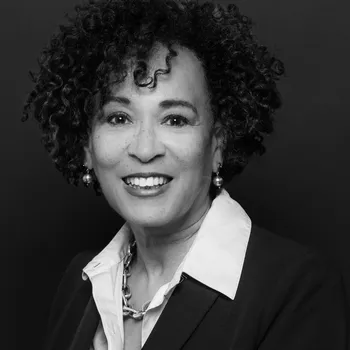
Marcene Mitchell
Senior Vice President, Climate Change
-

Carolin Planitzer
Landscape Finance Director, Nature-Based Solutions Origination Platform
-
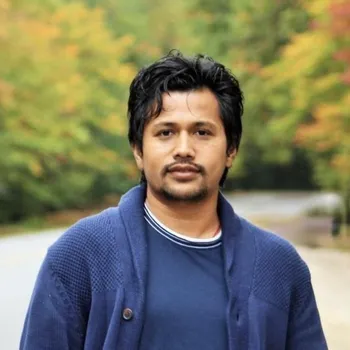
Surendra Shrestha
Senior Program Officer, GIS and Data Analytics for Nature-Based Solutions, Forests
-
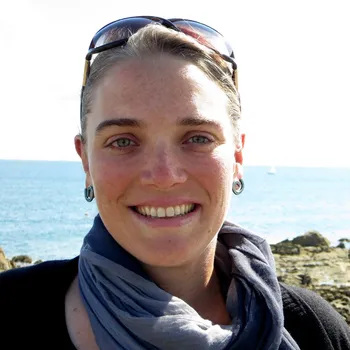
Martha Stevenson
Senior Director, Strategy & Research, Forests
-

Linda K. Walker
Senior Director, Corporate Engagement, Forests
-
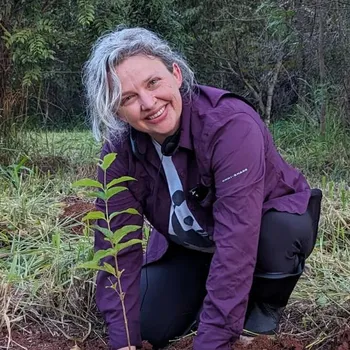
Stephanie Wester
Senior Program Officer, Nature-Based Solutions & Corporate Engagement, Forests
-

Jacqueline Westley
Finance Director, Nature Finance and Investment
-
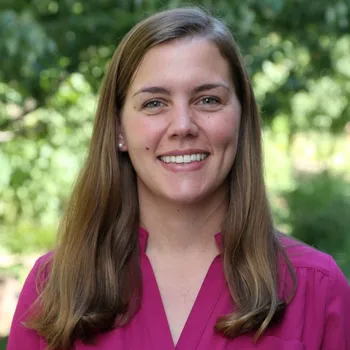
Brittany Williams
Senior Program Officer, Forests