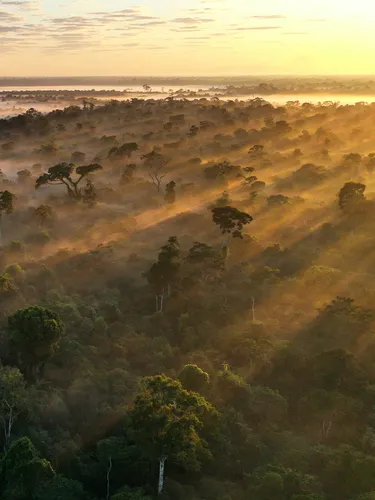
© Adriano Gambarini / WWF-Brazil
Forests
Conserve the world's most important forests to sustain nature's diversity, benefit our climate, and support human well-being
Forests are absolutely essential.
We can’t limit the warming of our planet to 1.5°C without halting deforestation and restoring forests.
We can’t protect wildlife and biodiversity without forests. Forests provide habitat for 68% of all mammal species and 75% of all bird species. And 60% of all vascular plants occur in tropical forests.
Forests are home to people as well. More than one-third of the world’s population has a close dependence on forests and forest products.
We now have a much clearer picture of the role forests play in supporting human health. Forests reduce the risks of cardiovascular diseases, cancers, chronic respiratory diseases, and mental health issues. And healthy forests serve as our first line of defense against the spread of infectious diseases from wildlife to humans, known as zoonotic diseases.
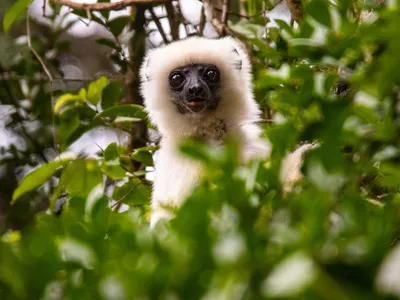
© WWF-Madagascar / RAKOTONDRAZAFY A. M. Ny Aina
Nature Needs Us Now
Nature gives us everything we need to survive, but it's under threat like never before. The crisis demands immediate action from all of us. Sign the pledge to protect nature.
Sign the pledgeProtecting our forests is not only essential—it’s urgent. Science tells us we only have until 2030 to keep 1.5 degrees Celsius within reach. Forests need us now.
Despite these many benefits, deforestation is still happening at a devastating rate, with implications for us all.
In fact, in 2025, the world lost 10.6 million acres of tropical primary rainforests, equivalent to a rate of 11 soccer fields per minute.
The main drivers of forest loss and degradation are expanding agriculture and grazing, building roads and other infrastructure, mining, and logging unsustainably. These impacts are compounded by climate change (for example, increased wildfires causing more loss and degradation).
News and stories
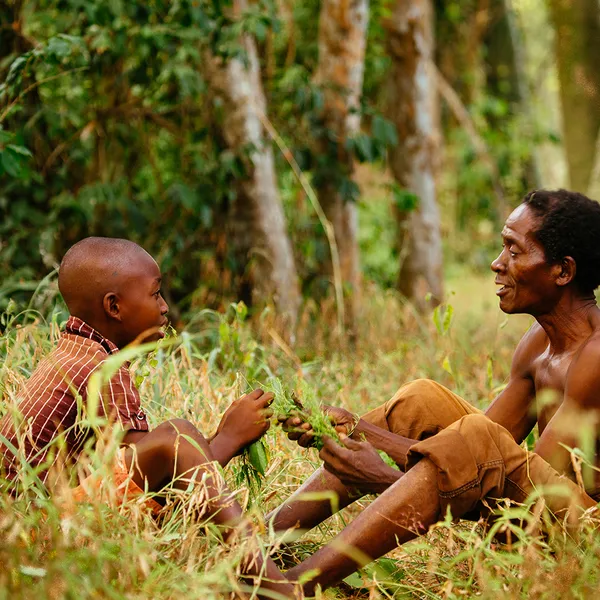
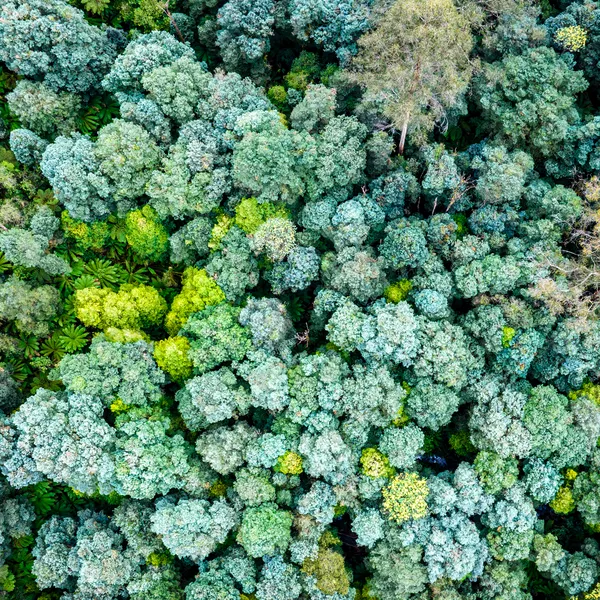


Sustainable futures along Brazil’s Tapajós River
An in-depth look at community-led, sustainable economic development activities—an exciting path forward for the Amazon.
© WWF/Tatiana Cardeal
The importance of forests
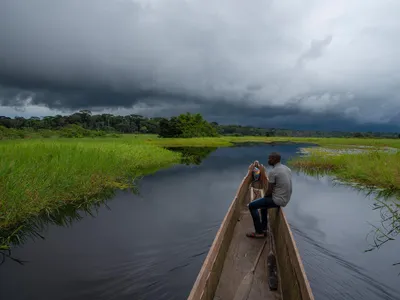
People depend on forests
Deforestation can disrupt the lives of local communities, sometimes with devastating consequences. Forests provide us with a vast array of resources, including food, wood, medicine, fresh water, and the air we breathe. Without the trees, ecosystems essential to our survival would disappear.
© WWF / Jaap van der Waarde
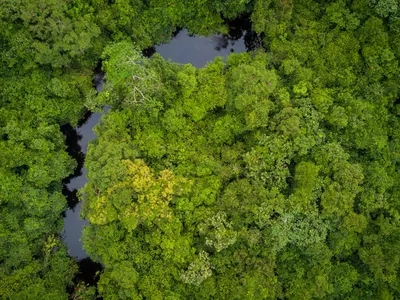
Carbon sink
Trees and other forest plants soak up carbon dioxide from the atmosphere and store it as they grow and thrive. Forests provide a carbon sink that absorbs a net 7.6 billion metric tonnes of CO2 per year, 1.5 times more carbon than the United States emits annually.
© Thomas Nicolon / WWF DRC
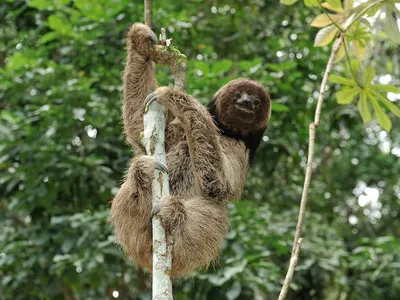
Unique biodiversity
Forests are home to most of the world's terrestrial biodiversity, and tropical rainforests host more species than any other terrestrial habitat. A single acre of rainforest may contain thousands of species.
© naturepl.com / Luiz Claudio Marigo / WWF
WWF’s work to protect forests

© Jacqueline Lisboa / WWF-Brazil
WWF aims to protect, manage, and restore forests through a comprehensive, inclusive, and place-based approach with three strategic goals:
- Halting deforestation
- Improving protection and management of up to 50% of the world’s forests
- Restoring over 860 million acres (350 million hectares) of forest landscapes
We do this by:
- Addressing causes of deforestation, especially unsustainable agriculture and infrastructure
- Securing and managing critical forest landscapes
- Increasing the perceived value of forests and mobilizing finance
WWF focuses our work in major “deforestation fronts” like the Amazon, the Congo Basin, Indonesia, and the Greater Mekong—home to the planet’s largest remaining tropical rainforests—while purposefully pursuing innovative forest conservation efforts in other critical areas.
To be effective, we must work locally—with Indigenous Peoples and local communities as forest stewards and vital participants in decision-making and planning processes—but also regionally and globally. We execute from local to global and global to local, advancing science-based policy and sustainability standards and forging partnerships with diverse stakeholders to build movements and put ideas into action on the ground. Across these efforts, WWF places people at the forefront of our work, equally prioritizing the conservation of nature and its contributions to people.

© Andre Dib / WWF-Brazil
Addressing drivers of deforestation and degradation
Engaging companies on commodity production
Unsustainable agriculture, grazing, and logging are major threats to forests. WWF addresses these by partnering with companies and through coalitions and multistakeholder platforms to reduce the environmental impact of commodity production and protect and restore forests.
For example, WWF’s Forests Forward corporate engagement program partners with top-tier businesses across sectors, from pulp and paper industry leaders to health care and tech companies, to reduce their forest footprints and support restoration. WWF promotes Forest Stewardship Council® (FSC®) certification and works with companies looking to implement best practices around nature-based solutions to deliver on sustainability and business goals, through Forests Forward and our Nature-Based Solutions Origination Platform.
WWF helped pioneer the Global Platform for Sustainable Natural Rubber (GPSNR), comprised of 60% of rubber buyers, smallholder farmers, NGOs, and academic institutions, to promote sustainable rubber production and trade. With support from IKEA, WWF is also working with smallholder farmers in Indonesia to produce sustainable rubber while improving farmers’ incomes and helping protect endangered forest species.
Reinforcing and scaling no-deforestation commitments
WWF works to mainstream best practices by advocating for science-based standards, influencing policy, and integrating forest protection into global climate and biodiversity frameworks.
WWF championed the creation of the Science Based Targets initiative (SBTi) Forest, Land and Agriculture (FLAG) Guidance and FLAG Target-Setting Tool, which require companies to make a no-deforestation commitment. WWF also led the development of the first science-based targets for land under the Science Based Targets Network (SBTN).
In the US, WWF supports the FOREST Act, enforcement of the Lacey Act Amendments of 2008, and the New York TREES Act to tackle the illegal and unsustainable production of agricultural commodities that drive forest, grassland, and habitat loss globally. In Europe, WWF backs the full implementation of the European Union Deforestation Regulation (EUDR) and developed guidance to help businesses comply.
On a global scale, WWF played an influential role in the explicit inclusion of forests in the Paris Agreement. Today, we strive to elevate policy commitments by anchoring them in the implementation of that groundbreaking agreement.
Improving next-generation infrastructure
Infrastructure is one of the largest drivers of deforestation globally. To avoid causing significant problems for biodiversity and the communities that infrastructure aims to serve, the coming wave of development must be designed with nature in mind. WWF is among the first conservation organizations to address infrastructure issues systemically, collaborating with key stakeholders to influence how infrastructure is planned, financed, designed, built, and operated.
For example, WWF partnered with the International Federation of Consulting Engineers (FIDIC) and AECOM to publish a Playbook for Nature-Positive Infrastructure Development, offering practical guidance for engineers and planners to integrate biodiversity and climate resilience into infrastructure projects. In Colombia, WWF, Colombia’s Ministries of Transportation and Environment and Sustainable Development, and the Colombian Foundation for Conservation and Development published the Green Road Infrastructure Guidelines, which informed a resolution adopted by the ministries that requires sustainable practices for all road development, including specific guidance for road design and construction.
Through the Global Environment Facility-funded Greening Transportation Infrastructure Development (GRID) integrated program, WWF, the Asian Development Bank, and the United Nations Environment Programme will help advance ecologically sustainable approaches to transportation infrastructure planning and development. The program includes a global knowledge platform and five country projects to drive more resilient and biodiversity-friendly transportation infrastructure worldwide.

© Zig Koch / WWF
Securing and effectively managing priority forest landscapes
Establishing and improving management of protected and conserved areas is one of the most effective ways to halt deforestation, especially in vital regions like the Amazon and Congo Basin.
Most conservation areas lack funding and effective management, which often leads to deforestation. The innovative Project Finance for Permanence (PFP) model addresses this by securing long-term policy and financial commitments at a large scale in a single agreement. WWF has helped launch PFPs in Bhutan, Brazil, Colombia, and Peru, with more in development.
WWF also supports the effective and inclusive management of key protected areas in the Congo Basin, including Ntokou-Pikounda (Republic of Congo), the Dzanga-Sangha Protected Areas complex (Central African Republic), and Salonga National Park (Democratic Republic of the Congo). With over 40 years of experience in Dzanga-Sangha, WWF’s comanagement model has brought tourism revenue, sustainability, and stability for both people and wildlife.

© Luis Barreto / WWF-UK
Valuing and financing forests for the future
Valuing and enhancing forest-derived benefits
To secure lasting support for forest conservation efforts, WWF is working to elevate forests’ contributions to public health, climate resilience, and economic security.
WWF has documented the connections between forests and health and collaborated on projects to demonstrate forest benefits for local communities and the potential contributions of health initiatives to forest protection. WWF’s Forests and Health initiative builds coalitions to demonstrate these connections, and projects in Malaysia, Indonesia, and the Central African Republic aim to model this relationship.
Through scientific modeling and mapping, WWF is also prioritizing the forest landscapes most vulnerable to flood, fire, drought, and other disruptions. Once identified, we collaborate with local partners to mitigate threats through solutions that integrate forest restoration, conservation of high-value forests, sustainable infrastructure, and human health considerations, with provisions to help communities survive shocks and sustain themselves over time.
Secure land tenure is essential for conservation and community well-being. WWF is dedicated to rights-based approaches, working to help local communities gain legal land titles to support the realization of their visions for nature-based income and opportunity. In the US South, where rapid development is fragmenting forests, WWF is supporting the Mobile Basin Heirs’ Property Support Initiative to provide legal and forestry extension services to heirs’ property owners in the region, helping them retain their land and derive sustainable income from it.
Mobilizing finance for forest conservation
Despite growing commitments, global forest conservation remains severely underfunded. Protecting, restoring, and enhancing forests at scale will require an estimated $460 billion annually by 2030, yet current funding falls far short. Building on our extensive experience implementing PFPs and REDD+ (Reducing Emissions from Deforestation and Degradation) strategies around the globe, WWF is championing the next generation of forest financing at scale through:
The Nature-Based Solutions Origination Platform, which mobilizes public and private investments into high-quality, landscape-level nature-based solutions, such as forest restoration, protection, and sustainable forestry and agriculture, that deliver durable benefits for our climate, biodiversity, and communities.
Debt-for-Nature Swaps, which allow countries to refinance their debts in exchange for redirecting funds toward conservation.
The Tropical Forest Forever Facility, the world’s largest fund for forest conservation, supporting over 1 billion hectares of tropical forest in over 70 countries.
Projects
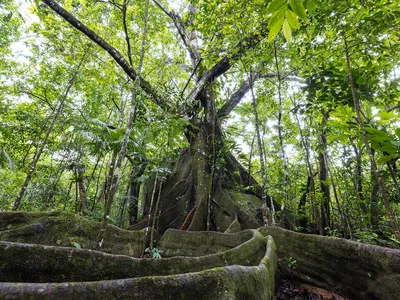
© Jody MacDonald / WWF-US
Nature-Based Solutions Origination Platform
WWF's Nature-Based Solutions Origination Platform (NbS-OP) is an innovative vehicle to drive impact at scale for people, climate, and nature across selected tropical forest landscapes.
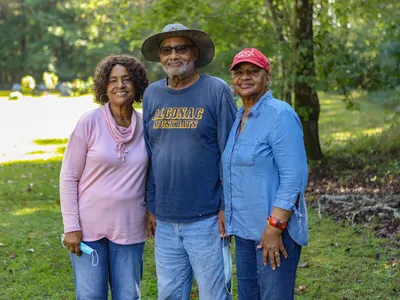
© Mississippi Center for Justice
The Mobile Basin Heirs’ Property Support Initiative
Helping historically underserved Mississippians keep generational land and conserve working forests.

© The Orangutan Project
Thirty Hills
An innovative solution to save one of the most important forests left on this island, Bukit Tigapuluh
Experts
-

Cecilia Alcoreza
Manager, Corporate Engagement
-

Craig R. Beatty
Manager of Forest Strategy and Research | SBTN Land Hub Co-Lead
-
Allard Blom
Vice President, African Forests
-
Josefina Braña Varela
Vice President and Deputy Lead, Forests
-

Stephanie Cappa
Director, Policy and Government Affairs
-

Kerry Cesareo
Senior Vice President, Forests and Freshwater
-

Jeamme Chia
Senior Program Officer, Nature-Based Solutions, Forests
-
Akiva Fishman
Director, Nature-Based Solutions
-

Evan Freund
Senior Director, Sustainable Infrastructure, Forests
-
Lloyd Gamble
Senior Director, Forest & Climate Place-Based Solutions
-
Jason Grant
Manager, Corporate Engagement, Forests
-
Tremaine Gregory
Senior Scientist, Sustainable Infrastructure, Forests
-
Daniel Hornett
Senior Program Officer, Sustainable Infrastructure
-
Martin Perez Lara
Director, Forest Climate Solutions Impact and Monitoring, Forests
-

Amelia Meadows
Director, Corporate Engagement, Forests
-
Kate Newman
Vice President, Sustainable Infrastructure and Public Sector Initiatives
-
Pablo Pacheco
Global Forests Lead Scientist, Global Science
-

Alicia Raimondi
Manager, Corporate Engagement, Forests
-

Surendra Shrestha
Senior Program Officer, GIS and Data Analytics for Nature-Based Solutions, Forests
-

Amy Smith
Director, Sustainable Natural Rubber, Forests
-
Martha Stevenson
Senior Director, Strategy & Research, Forests
-

Annika Terrana
Director, Forests
-

Linda K. Walker
Senior Director, Corporate Engagement, Forests
-
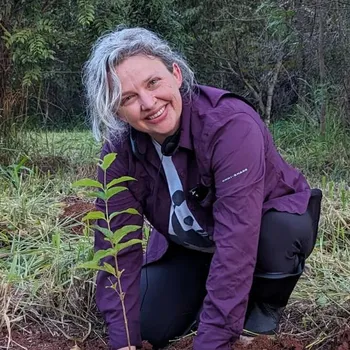
Stephanie Wester
Senior Program Officer, Nature-Based Solutions & Corporate Engagement, Forests
-
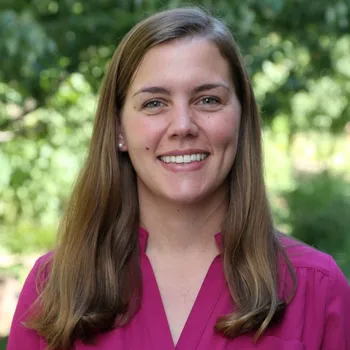
Brittany Williams
Senior Program Officer, Forests

Protect tigers: switch to forest-friendly products
Simple everyday decisions can make a major impact on saving forests, and tigers. The Forest Stewardship Council® (FSC®) label means the product is from a responsibly managed forest. Take the pledge today to switch to forest-friendly products.
© Shutterstock / Ondrej Prosicky / WWF-Sweden