Locally led conservation

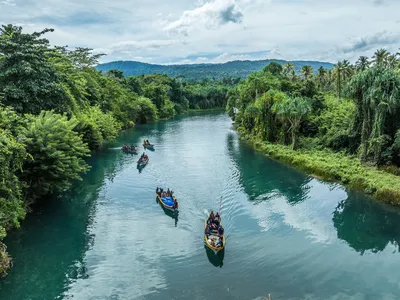
© James Morgan / WWF-US
WWF's mission is to build a future in which people live in harmony with nature. Over the course of more than 60 years of global conservation work, WWF has come to deeply understand and prioritize the importance of local leadership in conservation.
We’ve seen that when conservation efforts are led by Indigenous Peoples and local communities, governments, and other local actors, they are far more effective, resilient, and sustainable.
In contrast, conservation that lacks meaningful local ownership often falls short and fails to endure. Conservation is strongest, and outcomes are most durable when it embraces community management of lands and waters for current and future generations and when local knowledge and priorities guide decision-making.
What does it mean for conservation to be ‘locally led’?
Locally led conservation happens when local people, communities, institutions, governments, sustainable enterprises, and other local actors take the lead in shaping conservation efforts that align with their own needs, livelihoods, and vision for the future.
While external partners often play an important role in supporting conservation efforts, WWF believes that this involvement should occur at the invitation of local leadership.
Importantly, conservation that prioritizes human rights can strengthen local leadership by affirming peoples’ inherent rights to their land, resources, and role in decision-making. Strong local leadership is also necessary for inclusive conservation, where decisions are made collaboratively and equitably to achieve best results for both people and nature.

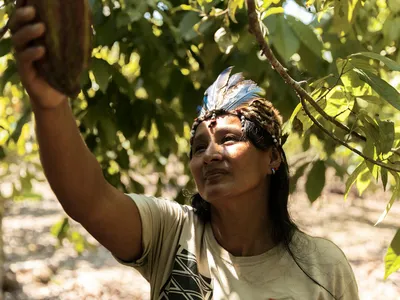
© WWF/Tatiana Cardeal
WWF’s support of local conservation leadership
WWF works in nearly 100 countries across the globe. Our work in each place is guided by the leadership of WWF country offices, fostering trust, credibility, and meaningful collaboration with local partners, and helping ensure WWF’s efforts are sensitive to and shaped around local realities and needs.
Across these places, WWF supports locally led conservation in diverse ways, including:
● Engaging local partners in co-design, collaborative implementation, participatory monitoring, and mutual learning
● Supporting the implementation of self-determined projects by Indigenous Peoples, local communities, and other historically marginalized rightsholders
● Strengthening local capacities through Indigenous Peoples and local communities’ self-strengthening efforts, training, and WWF’s Education for Nature program
● Mobilizing funding for locally led projects
● Providing scientific and other conservation expertise to complement local and traditional knowledge
● Supporting rights of Indigenous Peoples and local communities with governments
● Facilitating broader access to markets for sustainably sourced food and other products
● Engaging corporations, governments, and other powerful actors to create enabling conditions for locally led conservation
● Facilitating linkages to broader local, regional, and global efforts