Human rights in conservation

© Karine Aigner/WWF-US
From decades of conservation work across the globe, we know that people and nature are deeply interdependent. People not only have the right to a clean, healthy environment – they also rely on it for their livelihoods, their well-being, and even their sense of community and culture. We know that conservation is more successful and sustainable when it respects the universally declared human rights of those who live in the places where we work. Conversely, conservation that fails to uphold these rights is less effective, less enduring, and ultimately inconsistent with our values.
As an organization supporting conservation in nearly 100 countries, we pursue our mission on the core principle that positive outcomes for both people and nature depend on firmly anchoring and integrating human rights into conservation practice.
WWF’s commitment to human rights includes our due diligence processes and how we address concerns through our Environmental and Social Safeguards Framework (ESSF). It is also reflected in our Statements of Principles (SoPs) on human rights, gender equality, and Indigenous Peoples. Through our human rights-based approach to conservation, we seek to promote and support the full realization of the rights of local communities, Indigenous Peoples, women and girls, and other marginalized groups.
© WWF-US/Sarah Mosquera
Statements of Principles (SoPs)
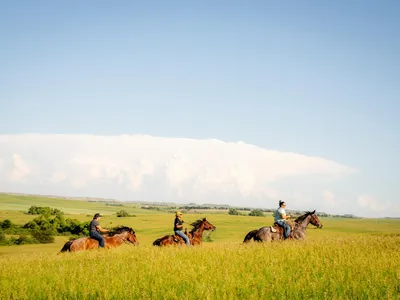
WWF developed Statements of Principles to share our commitments on human rights. The SoPs enumerate how WWF incorporates human rights across our conservation efforts.
© Luis Barreto / WWF-UK
Safeguards in our work
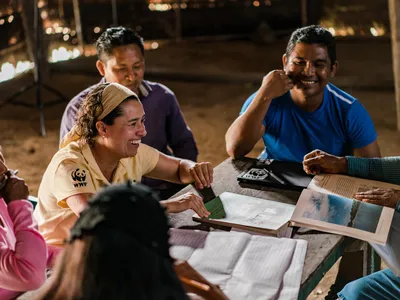
Safeguards are designed to uphold human rights, address social and environmental risks, and help deliver better outcomes for communities and nature. WWF’s Environmental & Social Safeguards framework establishes common standards, policies, and systems that govern all WWF activities on the ground.
© Tom Vierus / WWF Papua New Guinea
Inclusive conservation
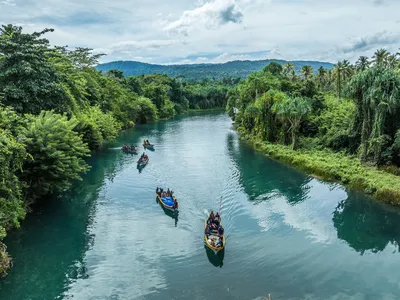
Inclusive conservation considers diverse values, priorities, and perspectives, and ensures decisions are shared and equitable at every stage of conservation. Inclusive conservation is critical to deliver wellbeing and positive outcomes for both people and nature.
© WWF-US/Yawar Films
Indigneous Peoples and conservation
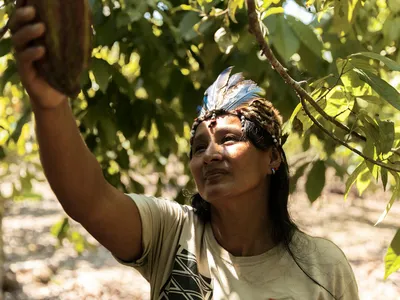
Conservation’s past, present, and future are deeply intertwined with people who have long-standing historical, cultural, and spiritual relationships to the lands and waters they inhabit.
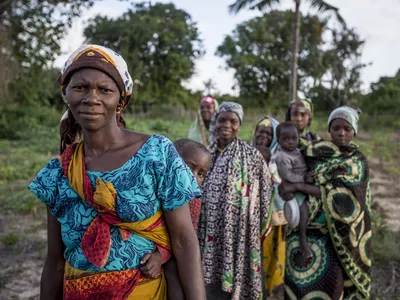
© James Morgan / WWF-US
Women and girls
Around the world, women and girls play a central role in managing natural resources. WWF works to remove barriers and expand opportunities that improve their wellbeing and support their leadership in environmental efforts within their communities.
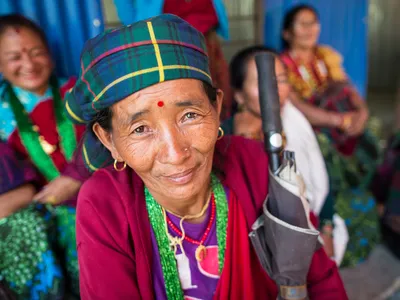
© Karine Aigner/WWF-US
Independent review
In 2019, WWF commissioned an independent panel of experts to review how we were responding to reports of human rights abuses by government partners in several places we work. WWF embraced expert recommendations through a comprehensive action plan.