Indigenous Peoples and conservation
In many places around the world, conservation’s past, present, and future are deeply intertwined with people who have long-standing historical, cultural, and spiritual relationships to the lands and waters they inhabit.
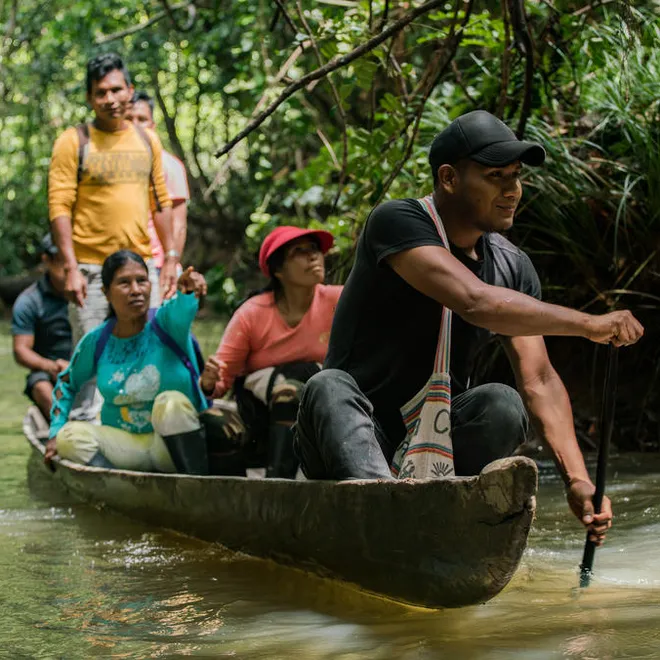
© Luis Barreto / WWF-UK
Indigenous Peoples, Tribes, and similar traditional communities with longstanding ties to their territories currently manage or legally hold more than a third of remaining natural lands globally. At the same time, Indigenous Peoples worldwide have experienced persistent histories of colonization, marginalization, and mistreatment, including violations of their rights to self-determination and territories. Today, many Indigenous communities face the same forces that threaten nature itself, including pressures from unsustainable development, extractive industries, and climate change.
While the realities and perspectives of Indigenous Peoples vary greatly, many have long held nature and their relationship within and as a part of nature as central to their worldviews, cultures, and ways of life. Across much of the world, Indigenous knowledge gained over millennia of research and observation and Indigenous leadership have been—and continue to be—indispensable for achieving meaningful, lasting conservation.
While recognition of Indigenous Peoples’ rights and vital role in conservation has expanded in recent years, injustices nonetheless persist globally, as do significant barriers to the full realization of Indigenous rights and leadership in decisions about the lands, waters, and resources they depend on. Efforts to eliminate these barriers have increasingly taken center stage in global conservation decision-making arenas, with growing support across public, private, and philanthropic sectors.

© Sarah Mosquera / WWF-US
How WWF works with Indigenous Peoples
Throughout its history, WWF has partnered with Indigenous Peoples to conserve some of the world’s most important and imperiled landscapes and seascapes.
Today, we continue to work with and support Indigenous Peoples in various ways, including:
- Collaborating with Indigenous Peoples on the co-design, implementation, and monitoring of conservation projects
- Safeguarding Indigenous Peoples’ rights, including by respecting and promoting their right to determine their futures through Free Prior and Informed Consent (FPIC)
- Respecting Indigenous knowledge and Indigenous science, values, and lifeways alongside western science
- Modernizing western conservation goals and approaches to support and incorporate more holistic Indigenous goals, like food sovereignty, and values like reciprocity
- Supporting Indigenous-led natural resource governance
- Supporting cultural revitalization and intergenerational knowledge transfer
- Ensuring our work supports Indigenous rights and stewardship of Indigenous territories
- Promoting Indigenous-led conservation at scale, including the advancement of Indigenous and Traditional Territories (ITTs), Other Effective Area-based Conservation Measures (OECMs), and within Project Finance for Permanence
- Facilitating direct access to funding for Indigenous Peoples’ stewardship and self-strengthening to manage those funds
- In partnership with Indigenous Peoples, advocating for Indigenous rights and leadership with national governments and in global biodiversity and climate forums.
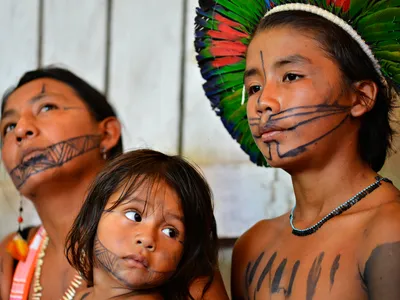
© Adriano Gambarini / WWF Living Amazon Initiative / WWF-Brazil
WWF’s Statement of Principles on Indigenous Peoples lays out the foundational aspirations and commitments that guide all of WWF’s partnerships with Indigenous Peoples, from on-the-ground collaboration to advocacy. It is part of WWF’s core standards, which have been adopted across the WWF Network and are supported by WWF’s core values of courage, integrity, respect, and collaboration.
Projects and partnerships
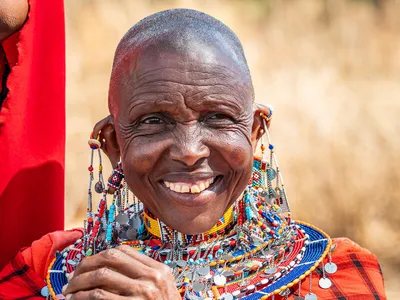
© WWF-US / Jerry Mushala
Global
Heart of Conservation Initiative
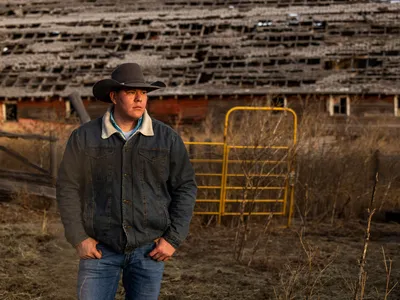
© Tailyr Irvine / WWF-US
Great Plains
Returning bison to their traditional homelands
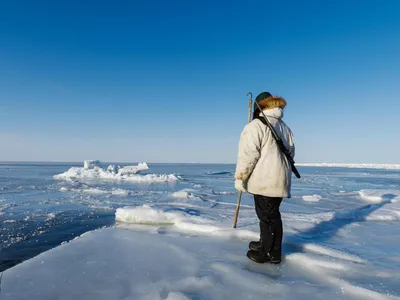
© WWF-US/Elisabeth Kruger
Alaskan Arctic
Arctic Community Wildlife Grants program
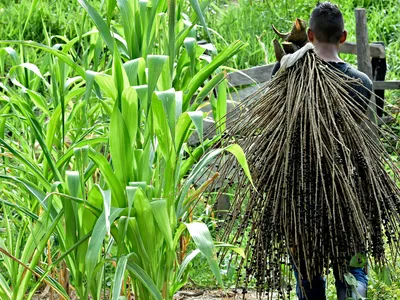
© Adriano Gambarini / WWF Living Amazon Initiative
Amazon
ARPA Comunidades
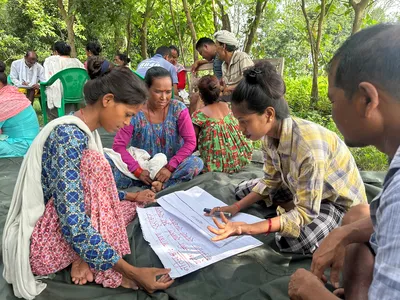
© Bivishika Bhandari
Nepal
Free Prior and Informed Consent in Nepal
Perspectives

© WWF-US/Yawar Films