© Fílmico Colombia/WWF-US
Securing nature’s future
Bolstering conservation through Project Finance for Permanence
What is project finance for permanence?
© CreativeLAB/WWF-US
Nature conservation is a perpetual effort. Along with political support and ambitious policies, governments and communities also need long-term funding to continue stewarding their natural places for many years.
Unfortunately, conservation budgets are often the first to go during times of financial difficulty.
That is why the game-changing approach called Project Finance for Permanence (PFP) is critical to securing nature’s future, and why WWF and our partners in Enduring Earth are partnering with governments and communities to deliver enduring protections through Project Finance for Permanence.
PFP initiatives secure the policy changes and funding necessary for conservation success and bind them together in a single agreement. This can look like creating new protected areas, ensuring community and traditional rights, or generating new sources of funding that will sustain the program long after donor funds are spent.
Because they are designed for the long term, PFP initiatives can dramatically transform people’s ability to conserve and steward nature according to their own visions and values.
Funds are released over ten or more years to governments and communities as they achieve key milestones. In this way, the stewards of nature know they will have reliable funding if they continue to show results, and donors know their funds will only be spent if the goals they support are achieved. And it ensures that we have all the pieces in place before any work gets started.
Putting everything into a single agreement ensures that systems of conservation areas—like a national park system, for example—are well-managed, sustainably financed, and benefit the communities who depend on them for the long term.
Our projects

© James Morgan / WWF-US
Bhutan for Life
Bhutan for life permanently protects the nation’s 5-million-acre network of protected areas. More than half of the nation is now under conservation protection. This initiative will also ensure Bhutan remains carbon neutral—the only country in the world to make that commitment.

© Y.J. Rey-Millet / WWF
Brazil's ARPA for Life
The first WWF-supported PFP has helped reduce deforestation in Brazilian protected areas by 21% between 2008 and 2020, reducing CO₂ emissions by an amount equivalent to shutting off 27 coal-fired power plants for a year.
© Christian Braga / WWF-Brazil
ARPA Comunidades
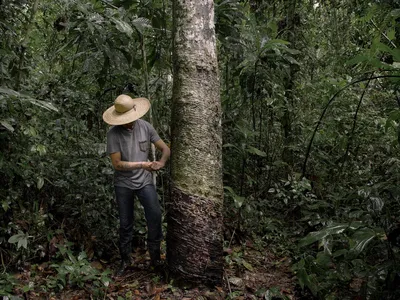
The launch of this major community-centered nature finance initiative cements local leadership, sustainable livelihoods, and broad partnerships as essential to the durable protection of the Amazon and its role in the planet’s health.
© Day's Edge Productions
Herencia Colombia
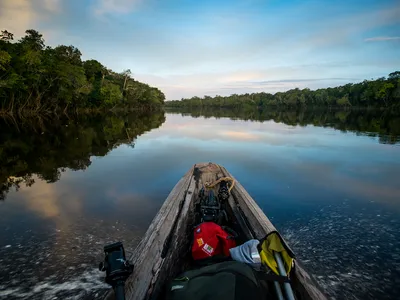
Herencia Colombia secured $245 million in public and private funding to permanently protect 79 million acres of landscapes and seascapes and strengthen the rights and livelihoods of communities across the country.
© WWF-US / Alejandro Prieto
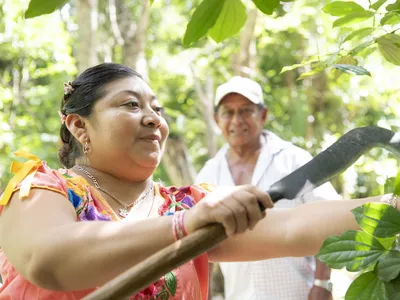
Herencia Maya
Herencia Maya, the first PFP initiative led by a state government, to permanently conserves and strengthens the management of more than 1.4 million acres of protected areas and secures vital and sacred freshwater sources for more than a million people across the peninsula.
© WWF-US/Gareth Bentley
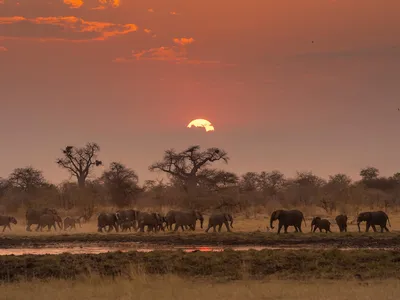
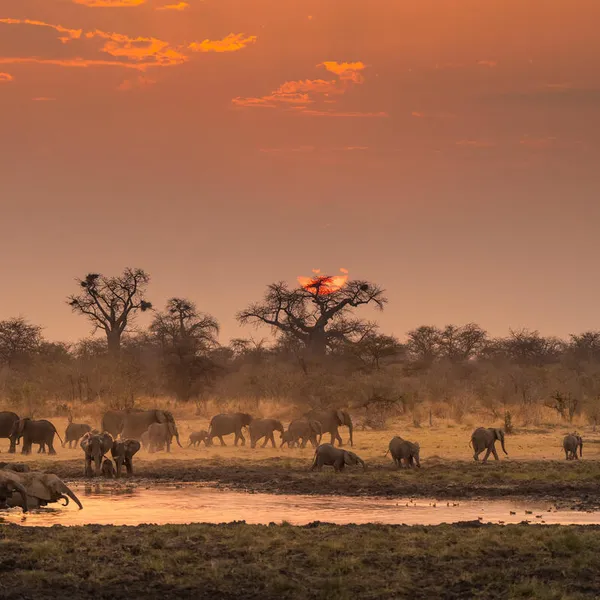
Namibia for Life
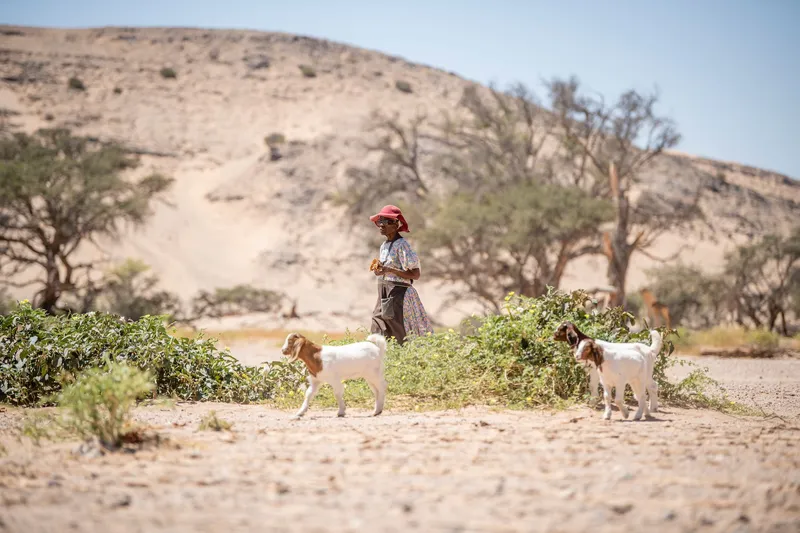
The first PFP initiative in Africa, Namibia for Life supports communal conservancies and invests in sustainable rural livelihoods in up to 50 million acres of community-managed areas, ensuring communities can keep managing their resources, growing local economies, and living well alongside wildlife.
© Gustavo Carrasco / WWF-Peru
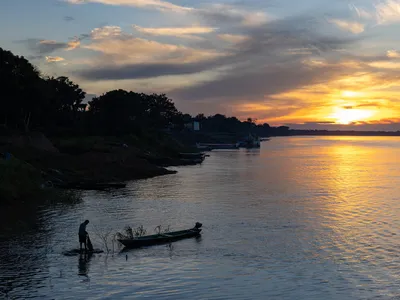
Peru's Natural Legacy
Patrimonio Natural del Perú secured $140 million to expand and effectively manage nearly 42 million acres of the Peruvian Amazon, covering 87% of the country’s protected areas network.
The power of partnership
Project Finance for Permanence offers governments and civil society a big solution to big challenges. To build a big solution, everyone’s voices and priorities need to be part of the process.
Such an agreement can be complex and can take a while to build, but as WWF and our partners have shown, taking thoughtful time to ensure all voices are heard, all plans are prepared, and all finances secured is resulting in conservation areas that will last well into the future.
Through our Earth for Life initiative, we work with government leaders, Indigenous peoples and local communities, public and private sector donors, NGOs, and others to assess PFP proposals, bring together the right groups who need to be involved and ensure their voices are heard from the beginning, provide technical expertise, and more.
Recognizing the potential to scale this impact globally and the need for coordinated, cross-sectoral collaboration, Enduring Earth was launched in 2021. This alliance unites the complementary strengths and capacity of The Nature Conservancy, The Pew Charitable Trusts, World Wildlife Fund, and ZOMA LAB, working with local partners to support their leadership to deliver enduring protections through integrated strategies spanning biodiversity conservation, community development, and large-scale finance.
To date, Enduring Earth has worked alongside more than 100 local partners across five PFP initiatives in Canada, Colombia, and Mongolia, collectively securing durable conservation outcomes, strengthening livelihoods, and sustaining the protection of 207 million hectares of lands, ocean, and freshwater.

Securing finance
“I think what WWF-US is doing with Project Finance for Permanence (PFP) initiatives in the Amazon, Bhutan, and elsewhere is ushering in a new era … by helping countries understand that there are multiple ways to sustainably finance protected areas”
- Carlos Manuel Rodriguez, CEO and chairperson of the Global Environment Facility
© Rachel Kaplan
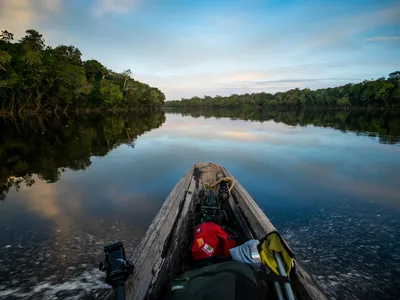
Guaranteeing lives
“For us, this means an effective and real contribution that guarantees our survival within the territory, and therefore, it guarantees our lives.”
- Emigdio Pertuz, Legal Representative of the Cocomanorte Community Council, Colombia
© Day's Edge Productions

Significant impact
"The PFP tool is a proven approach to conserve outstanding places that are vital for the world’s global biodiversity and climate goals and tackles important conservation issues at a scale that makes significant and measurable impact."
- Aileen Lee, Chief of Programs for the Gordon and Betty Moore Foundation
© naturepl.com / Felis Images / WWF

Anchored in co-creation
"This model is particularly effective because it involves blended international finance, withstands political upheavals, and is anchored in co-creation with local and traditional communities."
- Nik Sekhran, Chief Conservation Officer, WWF-US
© GIZ / Bình Ɖặng
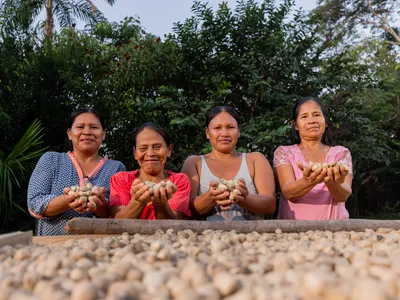
Meaningful and measurable
“The PFP approach is proven to make a meaningful, measurable, and sustainable difference for nature conservation by investing in the people who safeguard biodiversity for the long term.”
- Jason Cole, Program Director, Environment, Margaret A. Cargill Philanthropies
© WWF-Peru/Andres Murrieta

© Antonio Busiello/WWF-US
News and stories

Features
Publications
Explore more about securing nature's future
Read additional news, features, and publications.
© WWF-Brazil / Adriano Gambarini
Experts
-

Lucía Ruiz Bustos
Senior Director of PFP Implementation
-
Laura Cussen
Director, Strategic Planning and Finance
-

Johana Deza
Lead Specialist, Conservation Areas
-

Romas Garbaliauskas
Conservation Trust Funds Lead, Strategic Planning and Finance, Earth for Life
-
Henry Harrison
Senior Program Officer, Strategic Planning and Finance, Earth for Life
-

Christopher Holtz
Vice President, Earth for Life
-
Harry Jonas
Senior Director, Conservation Areas
-

Scott Lin
Senior Program Officer, Area-Based Conservation Finance
-

Julie Miller
Executive Vice President, Philanthropic Partnerships & Board Relations
-

Lucas Morgenstern
Manager, Strategic Planning and Finance
-
Carolina Ortiz
Director, Strategic Planning and Finance
-
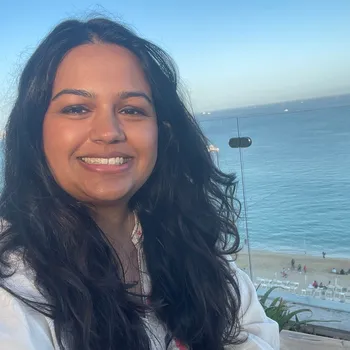
Trisha Patel
Program Officer, Earth for Life
-

Carlos Quintela
Manager, Strategic Planning and Finance
-

Carter Roberts
President & CEO, World Wildlife Fund
-

Nik Sekhran
Chief Conservation Officer, WWF
-

Jon Tua
Vice President, Strategic Planning and Finance
-
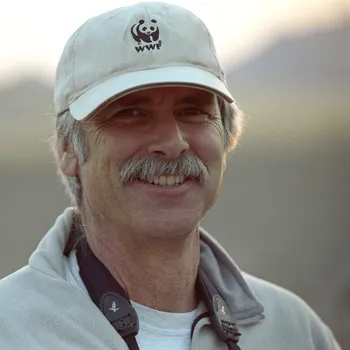
Chris Weaver
WWF Senior Advisor, Inclusive Conservation, Enduring Earth
-

Jamie Williams
Senior Vice President, Durable Conservation and Finance
-
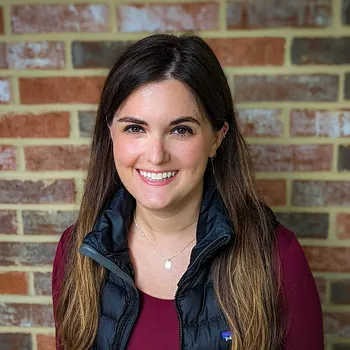
Katie Zdilla
Senior Director, Durable Conservation and Finance