Protecting millions of acres in the Amazon

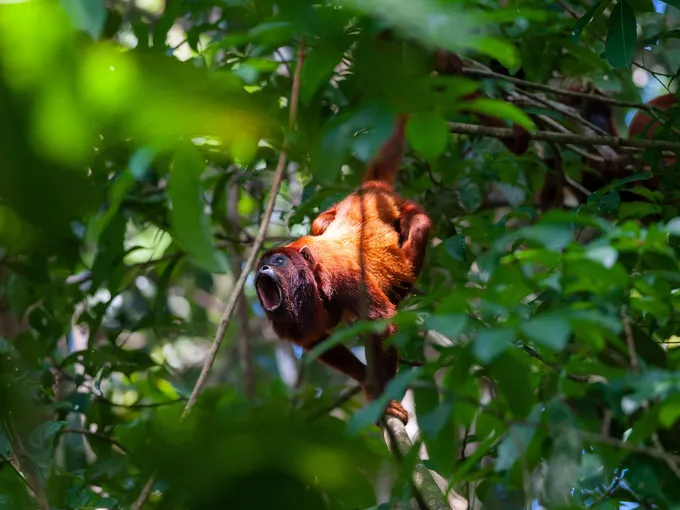
© LESSYSEBASTIAN - STOCK.ADOBE.COM
The Amazon helps stabilize the global climate and is home to more than 40 million people and around 10% of the world’s known species. To protect the world’s largest tropical rain forest, Brazil launched the Amazon Region Protected Areas (ARPA) program with WWF and partners in 2002, setting an aspirational goal: permanently secure more than 150 million acres of the Brazilian Amazon.
Two decades later, ARPA has exceeded that vision, with its protected areas totaling 154 million acres, an area nearly 1.5 times the size of California. Through sustainable financing and strong community partnerships, ARPA has safeguarded biodiversity, protected natural resources, and reduced deforestation by approximately 650,000 acres between 2008 and 2020—preventing significant carbon emissions while supporting local livelihoods.
Large-scale, well-managed protected areas are one of the most effective strategies for keeping forests intact. ARPA will continue to develop and implement novel approaches to conserving this invaluable rain forest—for the next 20 years and beyond.
154 million acres
That's the number of protected acres secured by the Amazon Region Protected Areas program since 2002, an area roughly 1.5 times the size of California ( ~104 million acres).
Reduced deforestation in protected areas supported by ARPA has prevented an estimated 104 million tons of CO2 emissions, the total emissions of the US domestic aviation sector in 2020.

© ISTOCK.COM/LEONARD_C
© MIKE SPRENG
Explore more
Keep reading this issue of World Wildlife magazine