Native Nations lead the way to returning bison to their traditional homelands
By
-
Alison Henry

© Tailyr Irvine / WWF-US
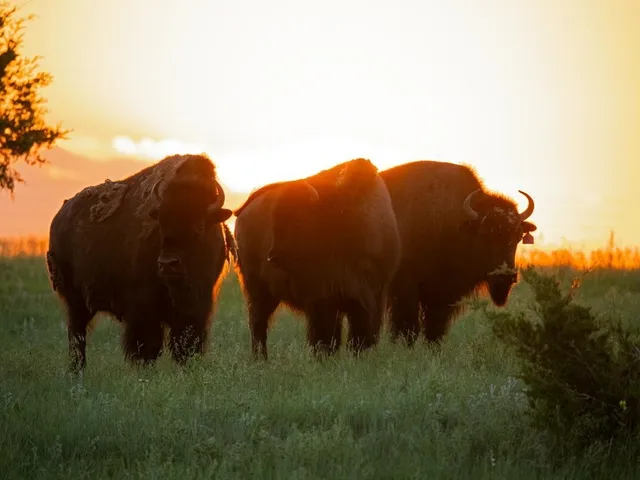
It is difficult to overstate the immense ecological and cultural value of the plains bison to the lifeways and lands of Native Nations throughout the Northern Great Plains. In fact, many Plains People, including the Lakota, consider the bison their relatives.
At one point—prior to European colonization and the devastation it wrought—bison were the widest-ranging large mammal in North America, numbering between 30 million and 60 million. But by 1889, only 512 plains bison remained after the ravages of westward expansion, market demand, and a deliberate effort by the US government to eliminate the species to subdue the Native people who relied so heavily upon them.
In response to their near extermination, conservationists—including Indigenous people—successfully brought the plains bison back from the brink of extinction to a population of approximately 45,000 in Tribal and conservation herds. Of those, 20,000 are managed in the public interest by governments and environmental organizations, and an estimated 25,000 are managed by Native Nations.
© PBS
Want to learn more about plains bison?
The American Buffalo, a new documentary from Ken Burns, is now streaming on pbs.org.
Watch trailer nowNative Nations seeking to restore bison to their lands remain the cornerstone of the species’ recovery. Since 2014, WWF has partnered with Native Nations throughout the Northern Great Plains in support of their efforts to conserve and restore grassland ecosystems within their communities and stands behind local visions and strategies that aim to bolster ecological, economic, and community benefits. Our goal is to support bison restoration efforts that serve the expressed values, needs, and aspirations of the Native Nations with whom we work, which include the Fort Peck Assiniboine and Sioux Tribes, Fort Belknap Indian Community, and the Sicangu Lakota Nation.
Moving forward, WWF will continue to follow the lead of Native Nations to identify opportunities and create places where bison can thrive in large herds—numbering over 1,000 bison—on vast landscapes in the Northern Great Plains.
Take a closer look at efforts to return bison to Tribal lands:
Listen Now
Welcome to Nature Breaking, a World Wildlife Fund (WWF) podcast focused on news and trends affecting our natural world, and the people and species that call it home.
© WWF
Sicangu Lakota Nation

© Chris Boyer / Kestrel Aerial / WWF-US
© Tailyr Irvine / WWF-US
© Tailyr Irvine / WWF-US
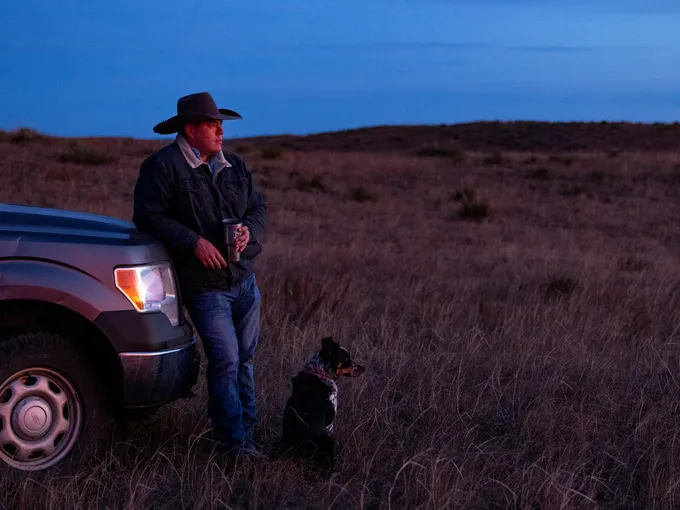
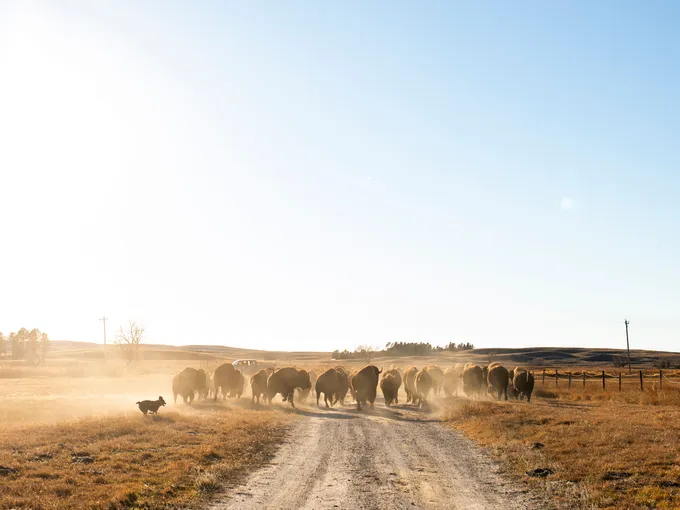
The Sicangu Lakota Nation is on track to create the largest Native-owned and managed bison herd in North America—an impressive feat that honors Lakota foundational values and beliefs and the inseverable connection between the Buffalo People and this iconic species. In 2020, the nation committed 28,000 acres of native grassland on the lands of the Sicangu Lakota Nation, the Rosebud Reservation, in South Dakota, for the creation of the Wolakota Buffalo Range. This range has a capacity to support over 1,000 bison.
A partnership between Sicangu Co—the economic arm of the Sicangu Lakota Nation—and WWF is advancing the project with support from the Rosebud Tribal Land Enterprise, the Rosebud Sioux Tribes land management corporation, and the US Department of the Interior. The historic project will increase the overall number of Native American-owned bison by an impressive 7% nationally.
Fort Peck Assiniboine and Sioux Tribes

© Thomas Lee / WWF-US
WWF was invited by members of the Fort Peck community to work collaboratively to ensure that their Tribal bison herd contributes to the health and well-being of the community. Through this collaboration, WWF has supported the Pté Group, a community stakeholder group, and the Fort Peck Buffalo Program by funding an additional position until the Tribes were able to maintain the position long-term. WWF has also supported the development of new programs and activities including affordable meat sales, improvements to Fort Peck’s Yellowstone bison quarantine facility, and an online fish and game license sales system.
Since 2016, WWF has supported Fort Peck’s efforts to develop a four-mile Buffalo Connections Trail for visitors and community members. This exciting project will increase community access to the bison herd. The trail will feature art installations and interpretive signs that will encourage outdoor recreation, strengthen cultural connections, and deepen appreciation for Fort Peck’s lands and wildlife.
Fort Belknap Indian Community

© Rab Cummings / WWF-US
WWF has worked with Fort Belknap’s Buffalo Program to assess range carrying capacity, to advise on proposed bison range management scenarios, to support bison range expansion, and to facilitate the construction of wildlife-friendly bison fencing. WWF has supported a part-time position through a grant administered by Aaniiih Nakoda College to help with the buffalo program’s community outreach and engagement.
Learn more about WWF's work on plains bison and in the Northern Great Plains.
How you can help
© WWF-US/Clay Bolt
Support Tribes restore buffalo to the Great Plains
The Indian Buffalo Management Act would strengthen support for Tribal Nations who are working to bring buffalo back from the brink of extinction.