Guided by matriarchs
How Indigenous women are leading a Great Plains bison revival
By

© Clay Bolt / WWF-US
An estimated 30-60 million bison once thundered across the Great Plains, shaping the land and sustaining the peoples who called the region home. The mighty grazer’s near-eradication in the 19th century —an intentional act to suppress Indigenous Nations —was one of the most devastating losses in North America’s ecological and cultural history. Yet today, despite incredible challenges, both bison and the Native communities who revere them continue to stand strong.
“There is probably not a stronger story of resurgence in the world,” says Heather Dawn Thompson, WWF's Vice President, Native Nations Conservation and Food Systems. “These are resilient, strong animals—and we need them as much as they need us.”
WWF works to support the vision of Native Nations across the Northern Great Plains to help restore bison to their ancestral homelands. These efforts go far beyond ecology. While bison are keystone species—shaping grasslands with their grazing, creating habitat for birds, pollinators, and countless other species—they also hold deep spiritual and cultural meaning for Indigenous peoples. WWF’s approach honors both: supporting ecological health while recognizing that the return of bison is inseparable from the revival of Indigenous lifeways.
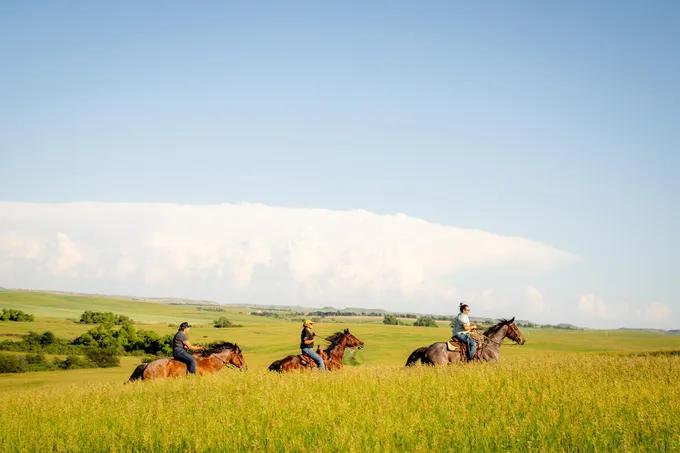
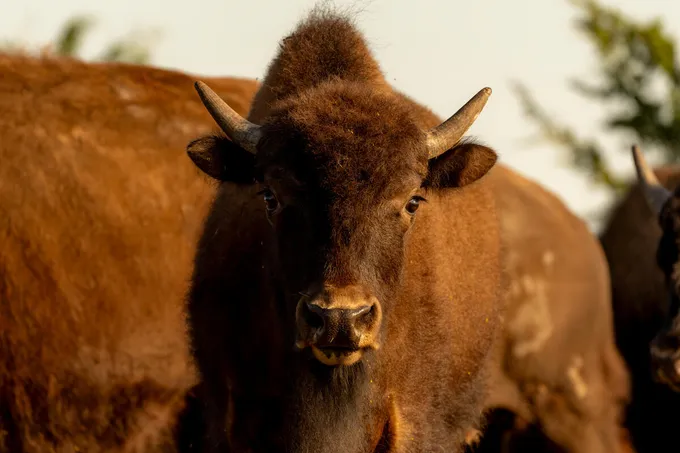
Among bison, matriarchs lead. The same has been true for generations of many Indigenous Nations, including the Lakota, whose culture is based on their long-held relationship with the species. They carry the wisdom of the landscape—the knowledge of grasses, water, and movement—passed down from mothers to daughters for generations. “The matriarch is the protector and the wisdom holder,” explains Monica Rattling Hawk, WWF’s Tribal Liaison. “They’ve learned it from their mother and the mother before that.”

© Sarah Mosquera / WWF-US
As bison return to the prairie, they are helping to heal both land and people. Native grasses are returning. Wildlife long absent now follows in their path. Families who once dreamed of bringing the bison home stand together in awe, knowing what that return means.
“They have us now,” says Alex Romero-Federick, Monica’s daughter and co-owner of Rez Raised Ranch. “We belong to them. It’s like a completion. I’m okay now, because they’re here.”
© Sarah Mosquera / WWF-US
© Sarah Mosquera / WWF-US
For many young people, especially daughters and granddaughters of the women who lead these efforts, the sight of bison calves beside their mothers offers a powerful reminder of continuity. “Seeing the calves with their mothers gives me hope,” says Summer Romero, Monica’s granddaughter. “We came to the point where there were almost none left, and now to see so many on the land—it gives me hope.”
Across the Great Plains, the matriarchs—human and bison alike—are guiding renewal. Their strength, patience, and wisdom are restoring balance to a landscape and cultures who have both overcome incredible odds to remain strong. WWF is honored to stand with Native Nations and conservation partners who are leading this restoration, ensuring that bison once again roam in number across their native grasslands.
“They have us now. We belong to them. It’s like a completion. I’m okay now, because they’re here.”
Alex Romero Co-owner of Rez Raised Ranch

© Sarah Mosquera / WWF-US
How you can help
© WWF-US/Clay Bolt
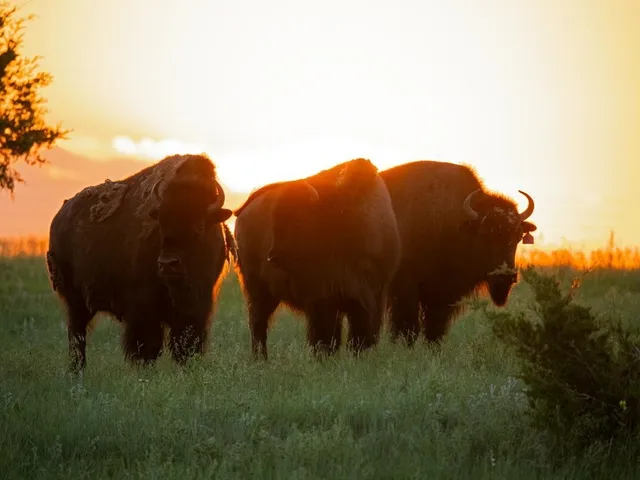
Support Tribes restore buffalo to the Great Plains
The Indian Buffalo Management Act would strengthen support for Tribal Nations who are working to bring buffalo back from the brink of extinction.