© James Morgan / WWF-US
Women and girls
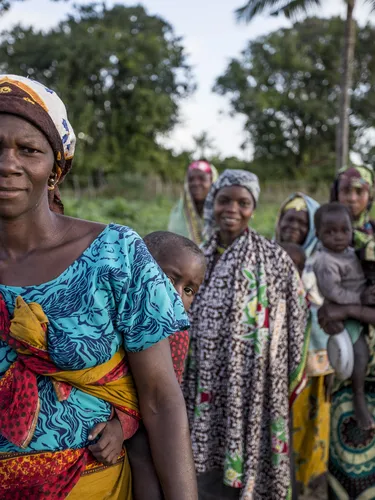
In many parts of the world, women and girls of all ages play a critical role in managing natural resources, which they rely on for food, water, medicine, and fuelwood for their families. They are often involved in unpaid domestic and care work, which is linked to natural resource use but undervalued as conservation efforts. Yet women and girls often are excluded from participating in environmental decision-making.
WWF’s Statement of Principles on Gender Equality lays the foundation for promoting gender equality through an inclusive approach to address discrimination based on gender identity but also other overlapping characteristics that affect marginalization, such as age, religion, education, ethnicity, etc. WWF supports women and girls to gain better access to education, health care, and sustainable livelihoods, and build agency. These efforts help ensure that the voices, skills, and knowledge of women play a significant role in discussions and decision-making related to conservation in their families and communities.

© Luis Barreto / WWF-UK
How WWF works with women and girls
© Gareth Bentley / WWF-US
Supporting women through locally led conservation
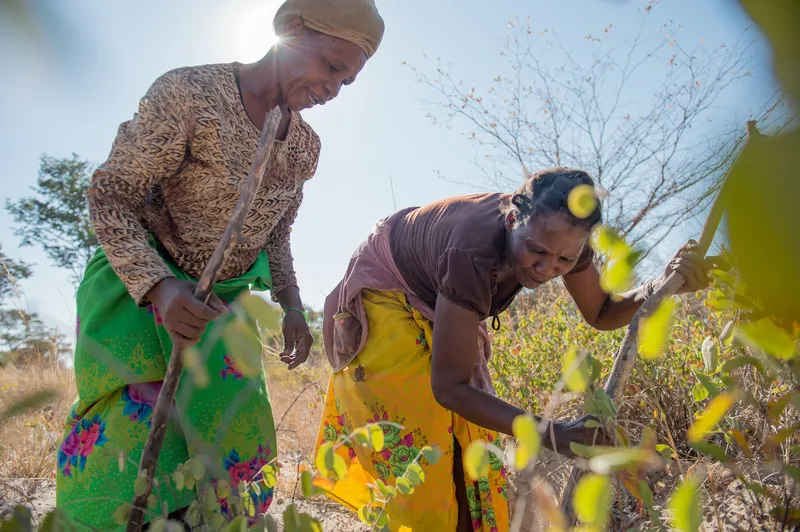
In many cultures across the world, local gender norms mean that men and women use natural resources differently and have different traditional ecological knowledge. WWF prioritizes women’s participation in community-led conservation initiatives to give all groups that may be affected by or have something to contribute to natural resource management rules the opportunity to contribute to the development of those rules. By elevating women’s traditional resource knowledge and uses as important and ensuring women to not only participate in but also lead natural resource decision-making, women become powerful leaders for sustainability in their families and communities.
© Emmanuel Rondeau / WWF
Helping women adapt to climate change
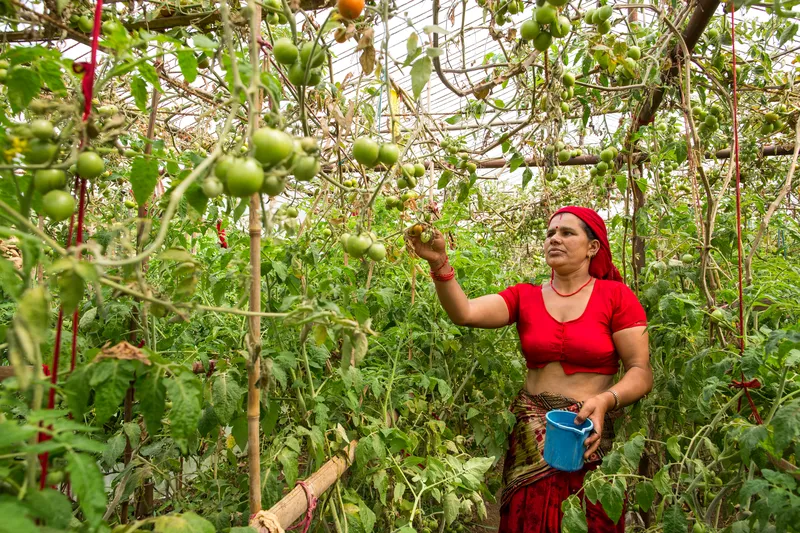
In many developing countries women are particularly vulnerable to climate change—for example, if water supplies dwindle due to increasing droughts, they must walk further to fetch water. They also tend to be less well educated than men and have fewer savings to help them recover from shocks. WWF works with partners to help women adapt to climate change.
In Nepal, a strong process has been developed that first empowers women who face barriers to participate actively in community adaptation processes. This includes identifying their specific climate vulnerabilities and ensuring that solutions for them are included in local climate adaptation plans. The plans are then implemented; activities can range from rainwater harvesting and improving water use efficiency, to introducing climate-adapted vegetable crops. If more intense rainfall threatens to cause landslides on degraded slopes, the sites are stabilized and restored. WWF aims to help women adapt to climate change while also building the resilience of the ecosystems that support them.
© Karine Aigner / WWF-US
Increasing access to land and natural resources to secure livelihoods
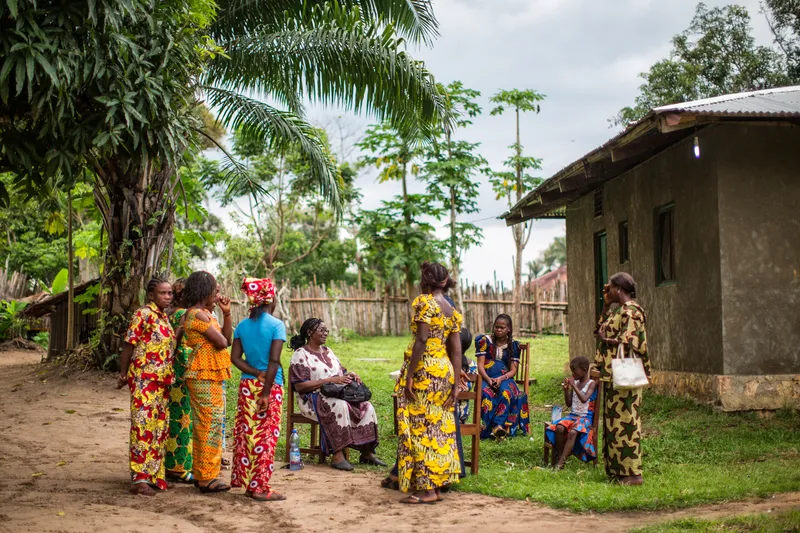
In many developing countries women still do not have full legal rights to land or are unable to exercise their rights to land because of dominant cultural norms and practices. In the remote region of Oshwe in the Salonga landscape, Democratic Republic of the Congo (DRC), the customary system remains the primary means of access to power and land for local communities. Most often, land belongs to the community or the clan. Women in Oshwe cannot own property, must always be accompanied by a male member of the family, and are dependent on the right to use land as granted by husbands, fathers, brothers, or brothers-in-law—and such rights are revocable at any time. This unequal sociopolitical situation exacerbates inequalities and hardship for women trying to support their families.
In order to help secure livelihoods for the women of Oshwe, WWF-trained facilitators raised awareness among five women’s associations—reaching over 150 women—on gender and on their rights in natural resource management. They accompanied them in discussions with authorities to obtain legal documents for securing community land through their officially recognized associations. Representatives of these women’s associations advocated for their rights and, with WWF’s support, negotiated the land title contracts with traditional chiefs and validated their decisions with regional authorities. Today, these women’s associations have obtained property titles notarized by the administrative authority—allowing women to secure their community land for long-term use. This power of such official agreements means that each association can perform its sustainable agroforestry activities without fear their land rights will be revoked, and that they can secure their livelihood and contribute effectively to reducing deforestation for an unlimited time. It’s a whole new level of security in their lives.
© Karine Aigner / WWF-US
Improving health
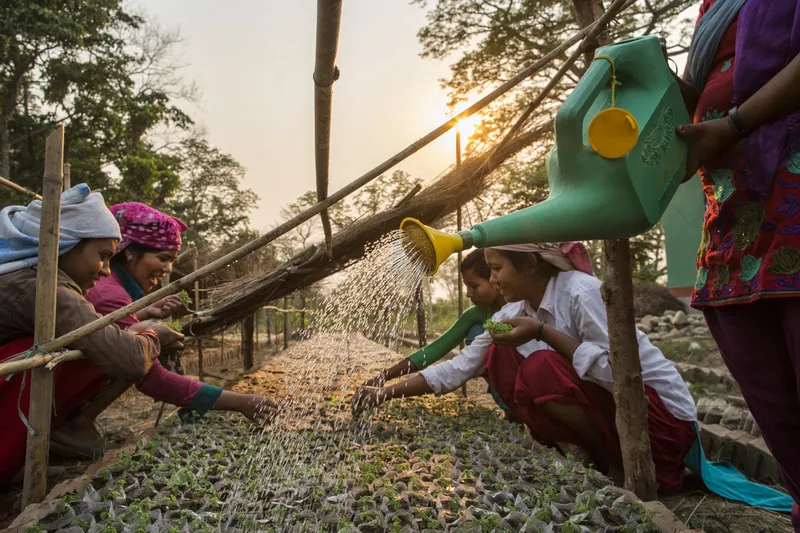
WWF works with health providers—such as improved drinking water, sanitation, nutrition and food security, and family planning and reproductive health—to support people in remote communities. When women, youth, and groups facing barriers access the information and skills they need to manage water, produce food, or make household decisions, they become change agents to help improve their community’s health and well-being.
One way WWF does this is to enable communities to improve their drinking water supplies, hygiene practices, and sanitation (WASH). Investing in WASH reduces women’s work fetching water and the incidence of water-borne diseases, while also improving management of the water catchments that provide their water supplies. WWF also promotes food and nutrition security by working with small-scale farmers—a huge percentage of whom are women. According to the UN’s Food and Agriculture Organization, women in developing countries account for 43% of small-scale farmers and two-thirds of all livestock keepers.
By improving their production practices, women can not only increase the food available for their families but also their purchasing power to buy a diversity of foods they cannot produce themselves. Adoption of climate-smart, environmentally sustainable agricultural practices can also contribute to improved soil quality and reduced habitat conversion.
Safety concerns for women and girls engaged in nature-based livelihoods and conservation activities can limit their opportunities to access information, acquire knowledge and technical skills that could enable their critical contributions to conservation efforts. WWF ensures that our staff are equipped to address safety concerns associated with Gender Based Violence, including Sexual Exploitation and Harassment (SEAH/GBV). Moreover, WWF uses a rights-based approach referred to as Population, Health, Environment, and Development (PHED), where communities request support to meet basic health needs. Working with local health partners, through synergistic links between human and ecosystem health, integrated projects such as PHED improve human health and well-being, help encourage sustainable use of natural resources, and promote sustained delivery of ecosystem services in the medium to long term. This, in turn, can improve community livelihoods for people today and in the future.
Projects and partnerships
© WWF-US/Jerry Mushala
CARE-WWF Alliance
The Alliance works at the intersection of development and conservation, strengthening the power and determination of women in areas disproportionately impacted by climate change.
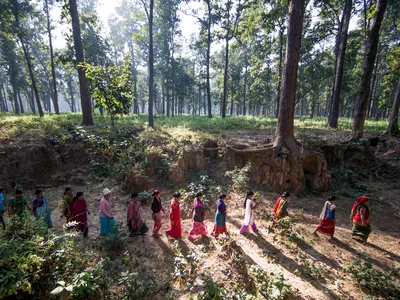
© James Morgan / WWF-US
Hariyo Ban: Mitigating and adapting to climate change in Nepal
A 10-year program called Hariyo Ban partners with local community groups, government agencies, NGOs and the private sector to build capacity and promote strategic approaches for biodiversity conservation, climate mitigation and adaptation in Nepal.