© WWF-US/Gareth Bentley
Africa
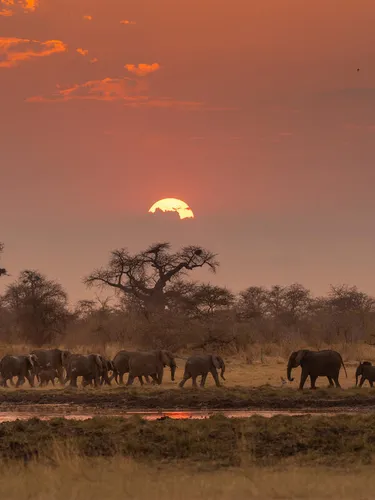
From the forests of the Congo Basin to the Port of Cape Town, WWF is creating opportunities for communities while advancing conservation solutions that help people and wildlife coexist.
Where WWF works
© Andy Isaacson
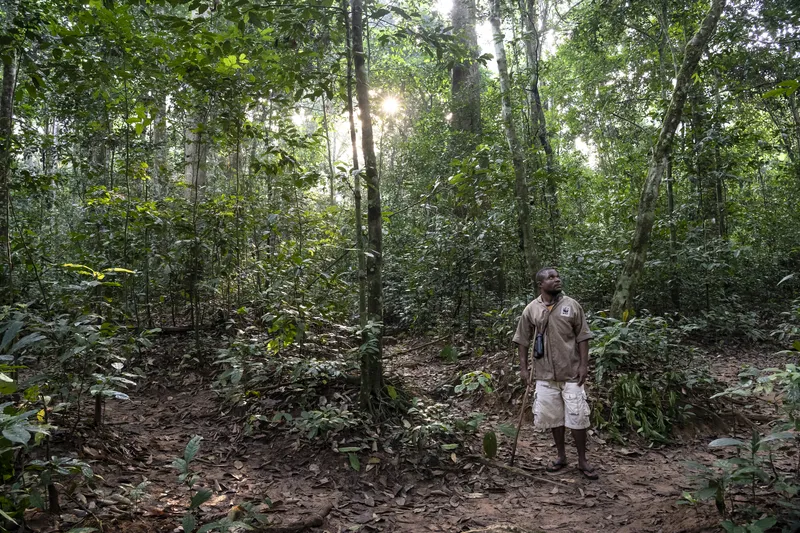
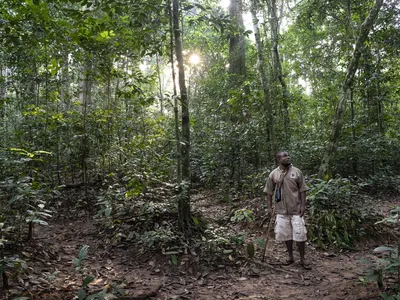
Congo Basin
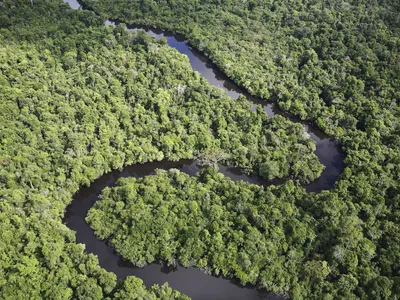
The second largest block of rainforest after the Amazon, the Congo Basin is home to more than 157 million people, including Indigenous communities that have lived in the region for thousands of years. The basin’s rivers, wetlands, and forests boast thousands of species, including gorillas, chimpanzees, and forest elephants. The dense number of trees and tropical plants act as an enormous carbon sink, forming the world’s largest tropical forest carbon sink.
© CreativeLAB / WWF-US
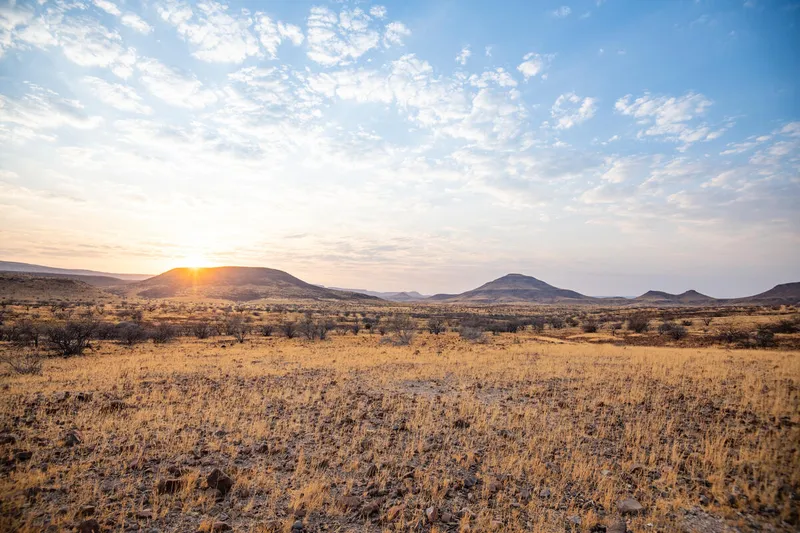
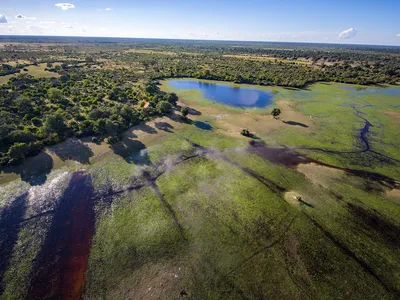
Southern Africa
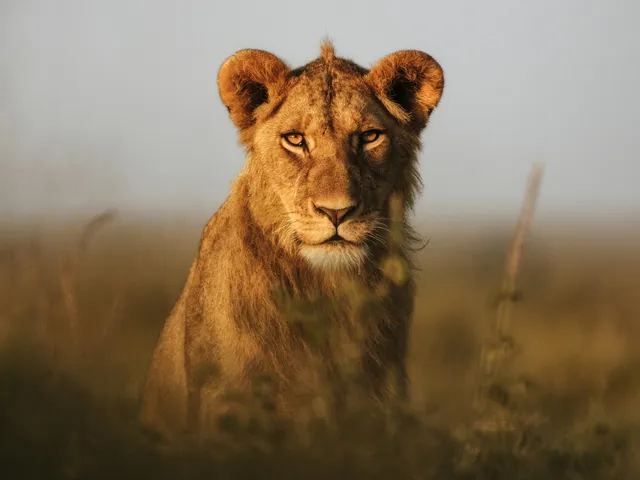
From the waters of the Zambezi and Okavango rivers to vast grasslands, deserts, and wetlands, Southern Africa is the base for some of the world’s most iconic wildlife, such as lions, rhinos, hippos, and elephants. Spanning six countries and home to more than 141 million people, the region is leading efforts to ensure both wildlife and humans support and benefit from one another through transboundary conservation efforts and communal conservancies.
© ANT BENNET
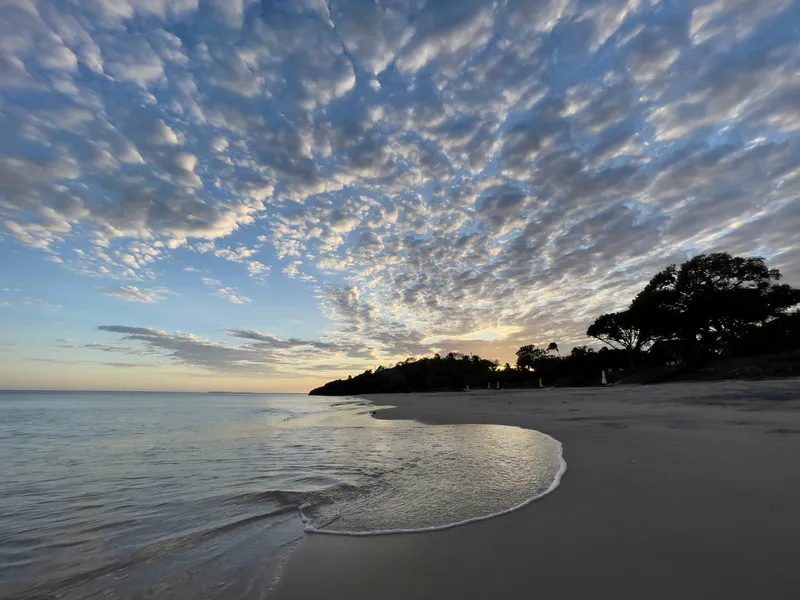
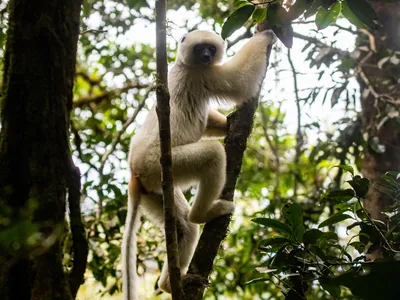
Southwest Indian Ocean
Harboring extensive mangroves, seagrass, and coral reefs, the region also supports more than 60 million people who rely on the ocean for livelihoods and economic security. Its waters form a vibrant migratory highway for sea turtles, whales, whale sharks, and dolphins. With sustainable management of its coastlines and natural resources, local communities ensure the region will continue to provide for wildlife and people.
More places WWF works
© Chris Schmid
Pledge to protect nature
Do your part to protect what you love in your daily life. Nature needs us all more than ever.