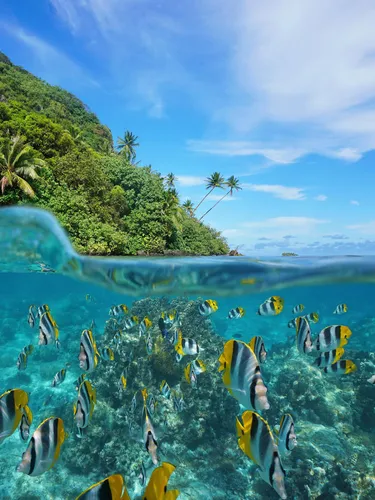
© Shutterstock / Damsea / WWF
Seascapes
Protecting the places that matter most
Why seascapes matter
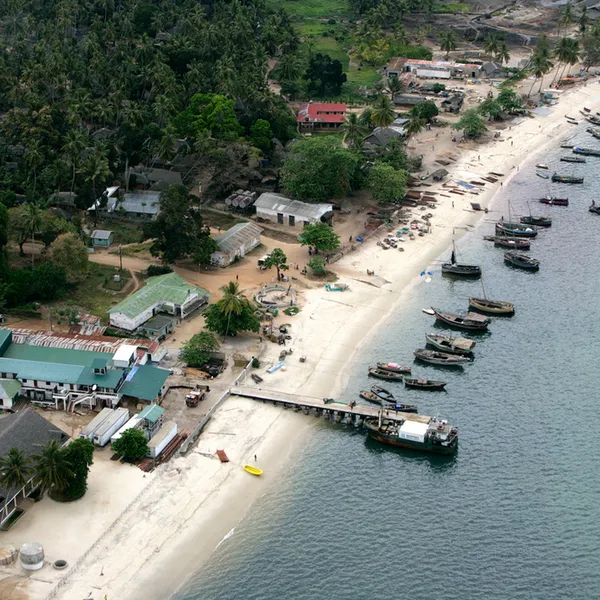
Coastal communities are frontline stewards of our oceans, relying on healthy ecosystems for culture, food, and resilience. Approximately 40% of the world’s population—more than 3 billion people—live within 62 miles of a coastline. Community based conservation—especially in partnership with Indigenous Peoples—strengthens ocean health by honoring traditional knowledge and empowering local leadership. When communities lead, conservation becomes more effective, equitable, and enduring, protecting both biodiversity and cultural heritage.
Our approach to seascapes
WWF protects the oceans and coasts that matter most across the globe. In each seascape, we work with communities, local and regional WWF offices, and local organizations to tailor solutions to meet their unique needs. We blend nature-based solutions with community based conservation and other interventions like finance, policy, and private sector engagement to address current and future challenges.
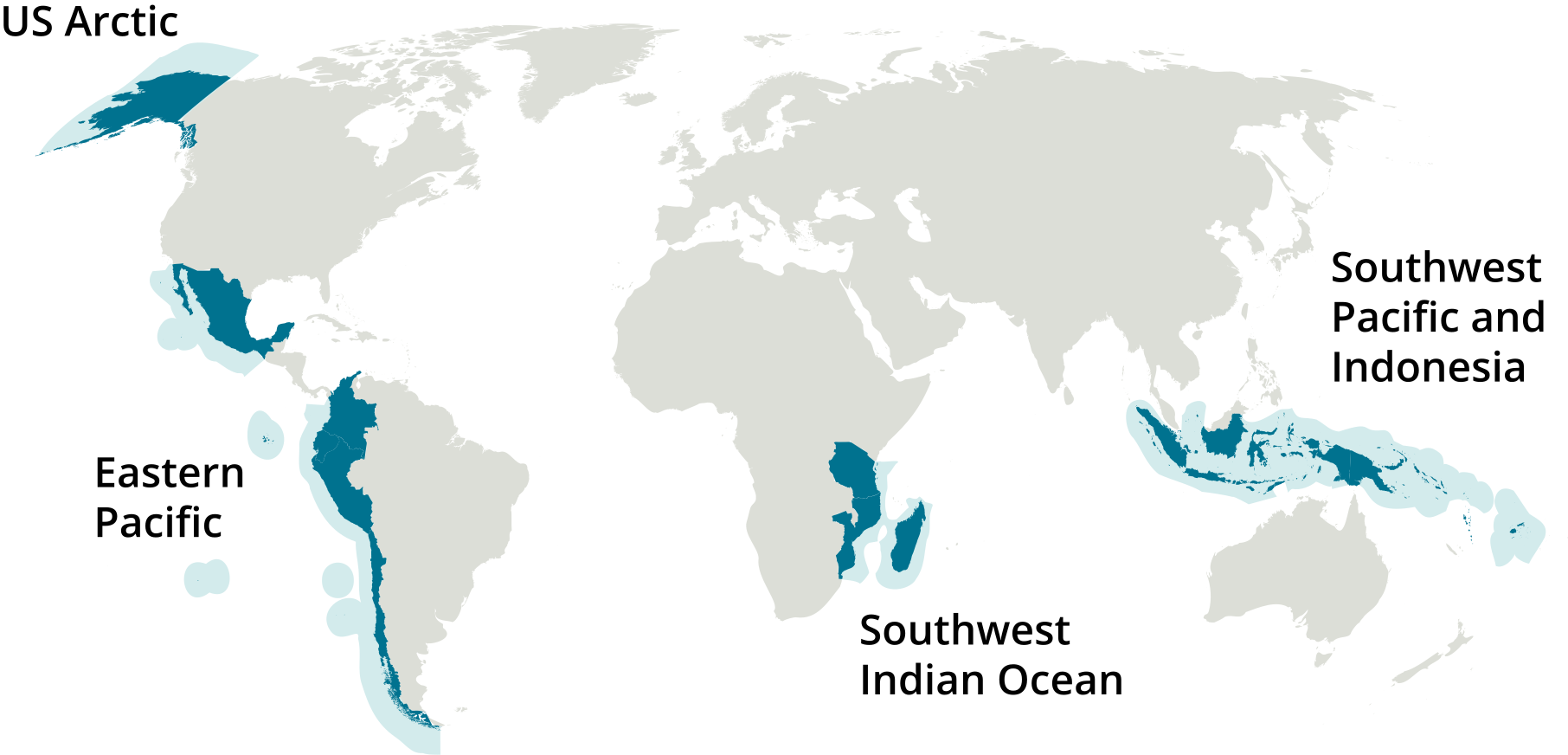
Our seascape regions
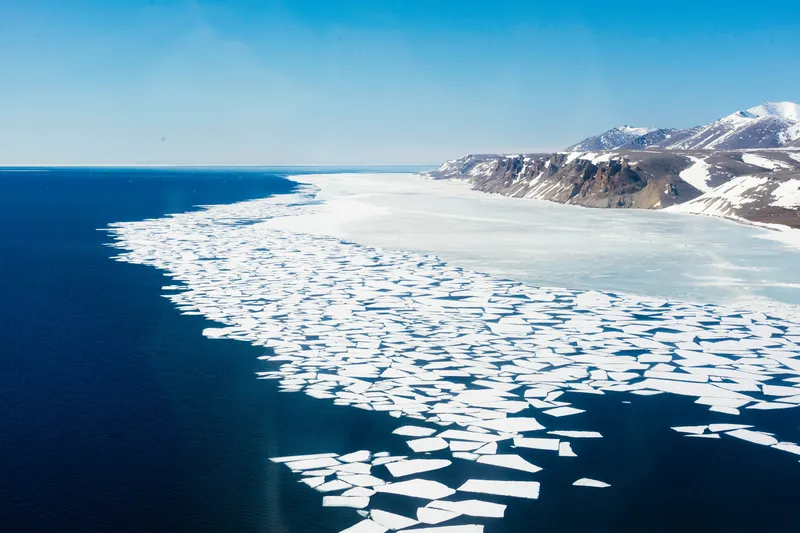
© WWF-US / Elisabeth Kruger
US Arctic
The Arctic is home to diverse landscapes—from sea ice to wetlands, tundra, mountains, rivers and the sea— supporting Indigenous cultures and abundant wildlife, like bowhead and gray whales, seabirds, and fish. The WWF-US Arctic Program focuses on supporting the cultural heritage and needs of Indigenous Peoples, protecting wildlife, building community engagement, limiting adverse impacts of shipping in the Bering Strait, and protecting the Bristol Bay watershed from destructive mining.
OUR IMPACT: 19 partnerships with coastal communities across Alaska
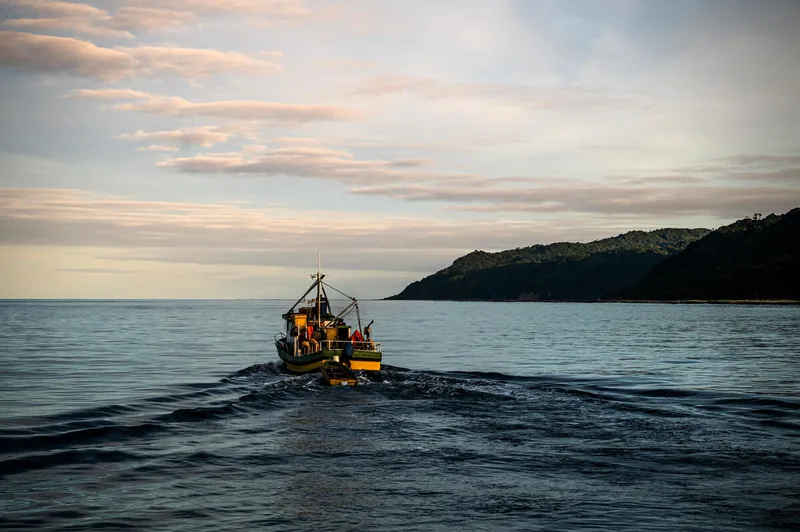
© Meridith Kohut / WWF-US
Eastern Pacific
The Eastern Pacific is home to 3.9 million square miles of coastal and marine habitats—from rocky shores to sandy beaches, open waters and mangroves—supporting livelihoods, trade, nutrition, and cultural traditions for more than 250 million people. The WWF-US Eastern Pacific Program focuses on protecting and restoring coastal habitats and mangroves, improving fisheries sustainability and combatting IUU fishing, advancing protected areas and community-led conservation, and reducing the impact of coastal infrastructure.
OUR IMPACT: 2.3 million acres of mangroves managed in Mexico and Colombia
© WWF-Pacific / Tom Vierus
Southwest Pacific and Indonesia
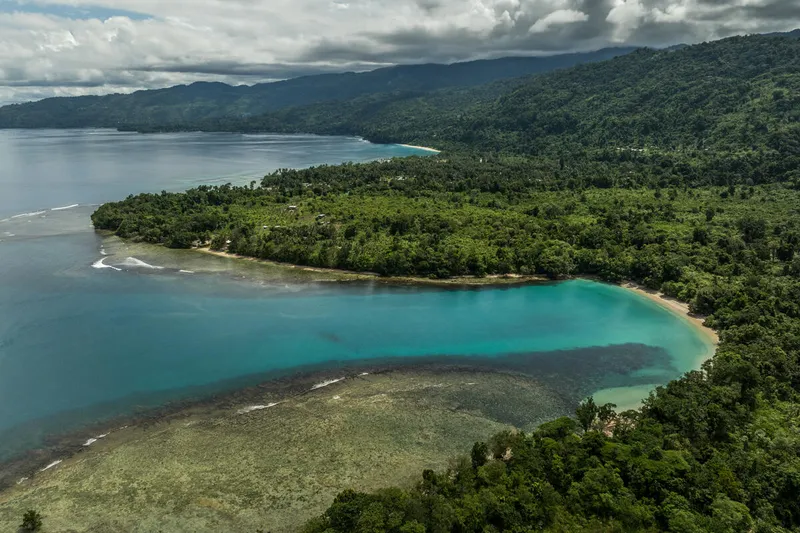
The Southwest Pacific and Indonesia is home to globally significant fisheries and ecosystems like mangroves, tropical forests, and coral reefs that harbor turtles, sharks, whales, tigers, rhinos, orangutans and ~75% of the world’s coral species. The WWF-US Southwest Pacific and Indonesia Program focuses on protecting and restoring mangroves, supporting the recovery of Pacific bluefin tuna, conserving species like leatherback turtles and sharks, and advancing community-led conservation and national policy.
OUR IMPACT: 26 new marine protected areas established in Indonesia since 2015
© Nick Riley / WWF-Madagascar
Southwest Indian Ocean
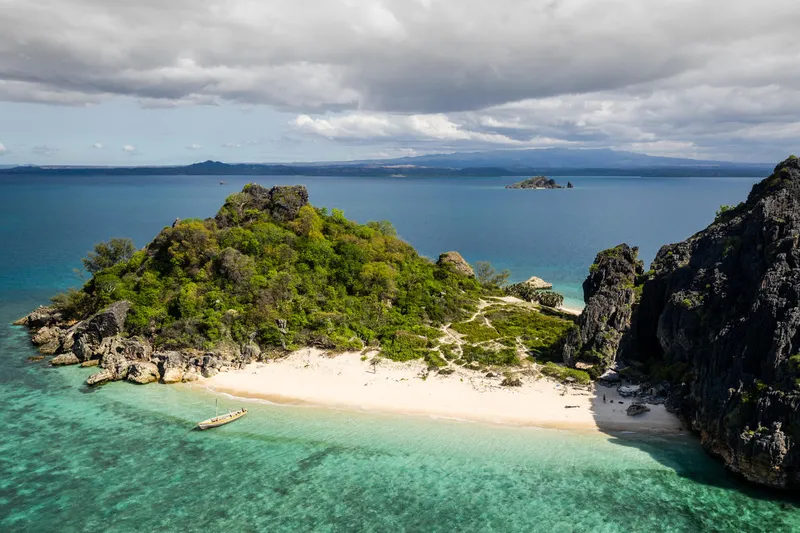
The Southwest Indian Ocean is home to over 4,000 mi2 of coral reefs, almost 3,000 mi2 of mangroves, and migratory corridors for marine megafauna. The seascape provides food, livelihoods, and cultural and marine traditions for over 60 million people. The WWF-US Southwest Indian Ocean Program focuses on protecting coastal ecosystems and mangroves, deploying innovative finance, strengthening community-led conservation, governance, livelihood development and resilience, and progressing toward resilient tuna fisheries.
OUR IMPACT: 3M people benefitting from our work across the region
Our seascapes work
Integrated oceans solutions benefit people and society while preserving biodiversity and the ability of the natural world to continue to provide resources. Many approaches to healthier ecosystems and mitigating climate change risks come from nature and shared knowledge from local and Indigenous communities. Within our seascapes, we tailor solutions that will maximize positive, lasting benefits for people and nature , without attention to these solutions, we lose carbon storage, marine habitat and species protections, and food and livelihood resources for millions of people.
© Tom Vierus / WWF-US
MPAs and OECMs
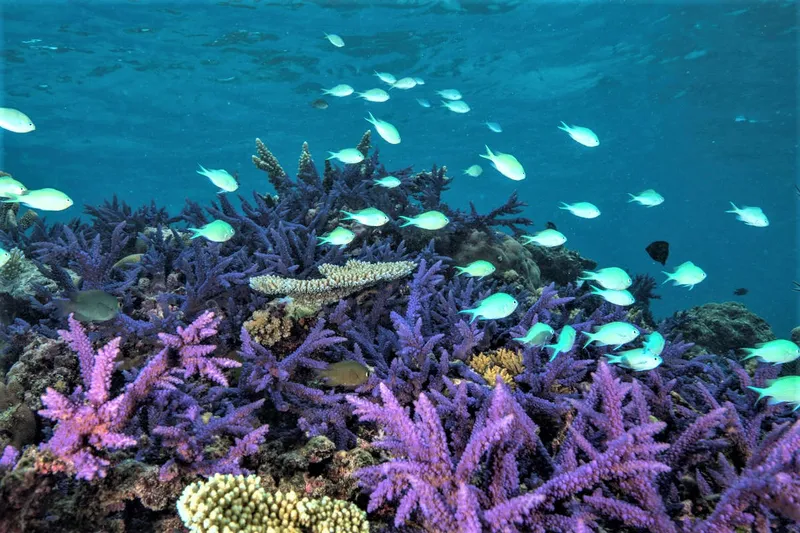
Durable and resilient conservation areas, including marine protected areas (MPA) and other effective conservation measures (OECM), are an important solution for protecting marine species and habitats like coral reefs and mangroves. WWF prioritizes creating and recognizing MPAs and OECMs in our seascapes and strengthening existing conservation areas through policies, capacity development, and integrated conservation.
OUR IMPACT: 48,000 mi2 of ocean under management in Ecuador
© Martina Lippuner / WWF-Africa
Blue forests
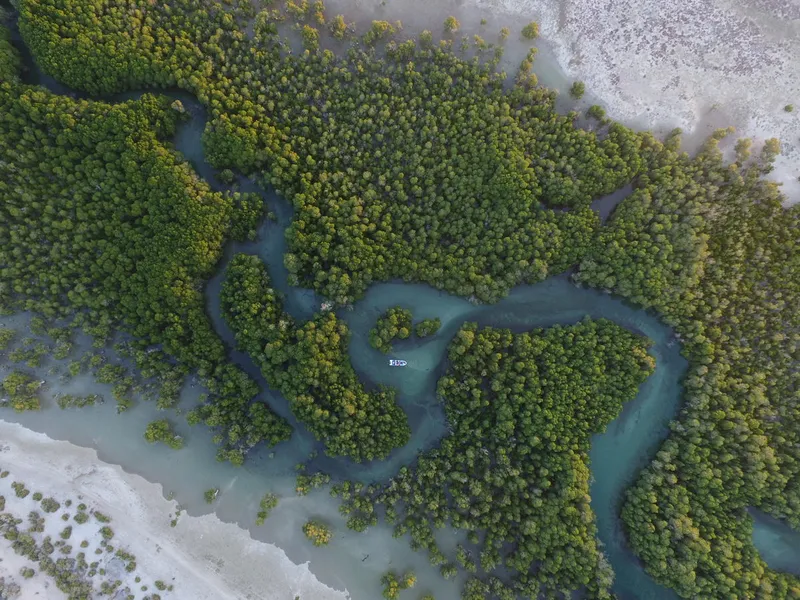
Blue forests—mangroves, seagrasses and salt marshes— are some of the planet's most powerful natural assets and provide habitat for over 340 threatened species. Mangroves protect over 15 million people and $250 million of infrastructure annually from flooding and store 3 to 4 times more carbon than other tropical forests. Our work includes accelerating community-led conservation and resilience, restoring and addressing drivers of loss, and working with governments to establish national policies and integrate innovative, blended finance.
OUR IMPACT: 324 million tons of carbon stored by mangroves in our seascapes
© Antonio Busiello / WWF-US
Small-scale fisheries
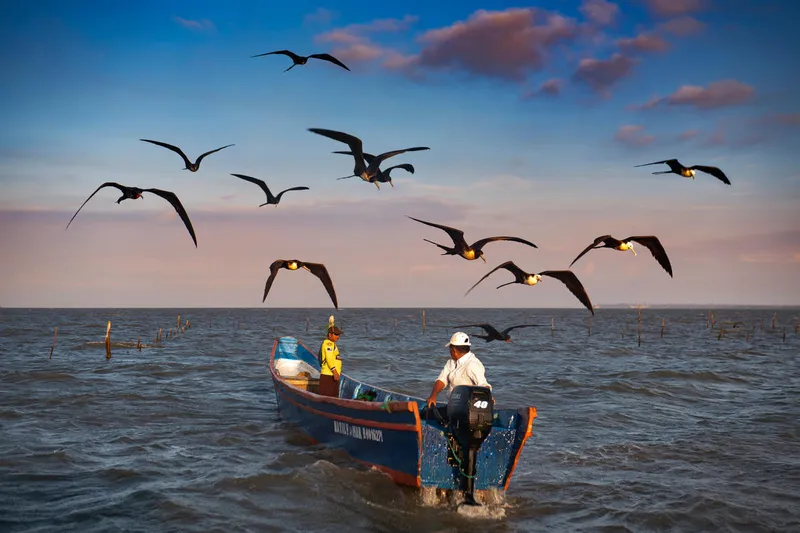
Small-scale fisheries contribute around 40% of the world’s total catch and support livelihoods, food security, and marine ecosystem health. They sustain coastal economies and provide vital nutrition for millions, especially in island and developing nations. Our work includes deploying tools to improve fishery management, scaling innovative gear to cut bycatch and ghost fishing, and strengthening local value chains and fisher livelihoods through training and traceability.
OUR IMPACT: At-risk communities better equipped to adapt to climate change and food security risks.
© Elisabeth Kruger / WWF
Marine species
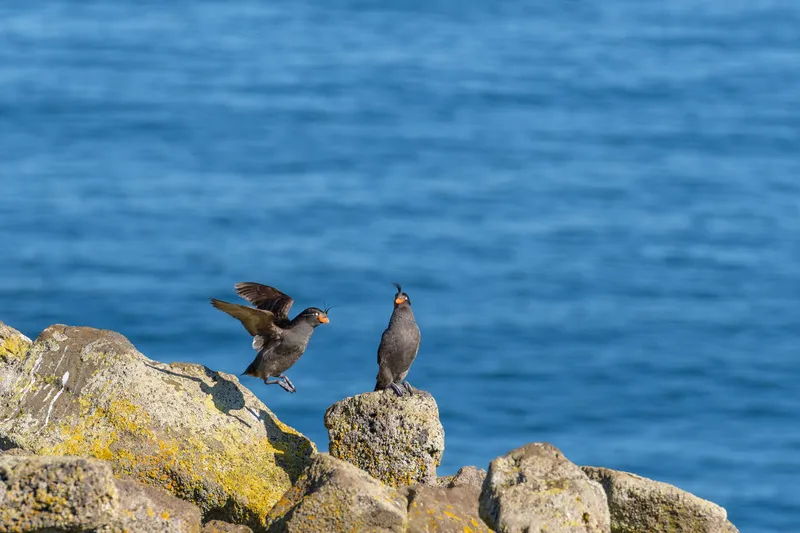
WWF scientists develop approaches to monitor marine wildlife populations, particularly around areas of high biodiversity, pristine habitat, and migratory blue corridors. We work with partners on innovative and traditional techniques that incorporate different ways of knowing to address threats to populations, such as bycatch and entanglement, as well as knowledge gaps, such as a population’s status and resilience to climate change. This work enables decision-makers to set better marine policies for nature and people.
OUR IMPACT: Doubled population of whale sharks around Mafia Island, Tanzania since 2012
© Meridith Kohut/WWF-US
Community-based conservation
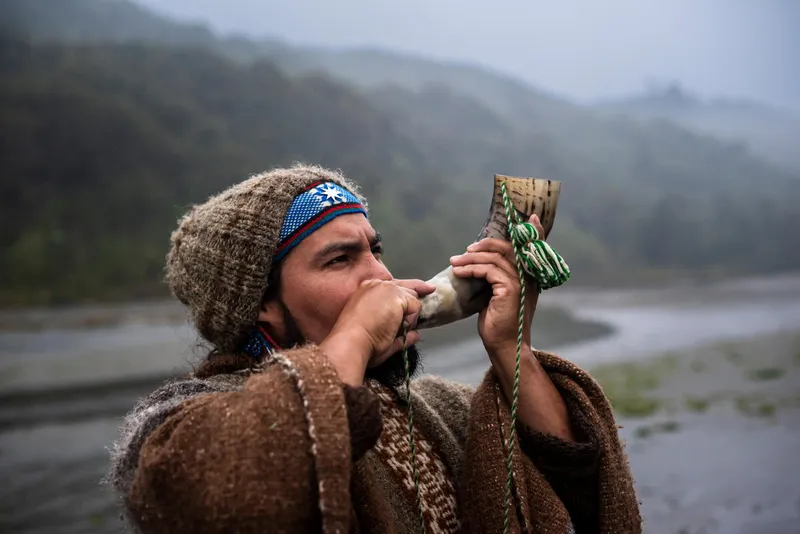
Community-based conservation with the coastal and Indigenous stewards of marine ecosystems creates more effective and long-lasting solutions for people and nature. Our work prioritizes partnering with Indigenous People and communities on inclusive conservation approaches, elevating community voices, formalizing management rights, and mobilizing blue finance to support nature positive livelihoods.
OUR IMPACT: Partnerships with 620 coastal communities worldwide
News and stories
-
© Brent Stirton / Getty Images / WWF-UK
How coastal communities are protecting ocean life -
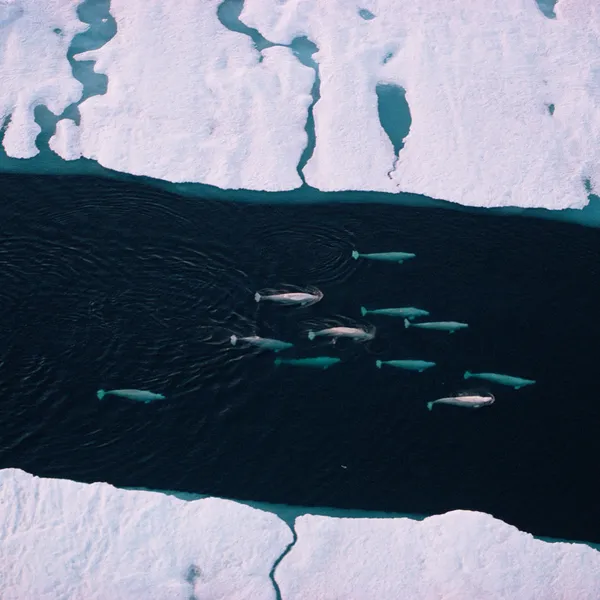
© naturepl.com / Doug Allan / WWF
Announcing WWF’s Arctic Community Wildlife Grants Program -
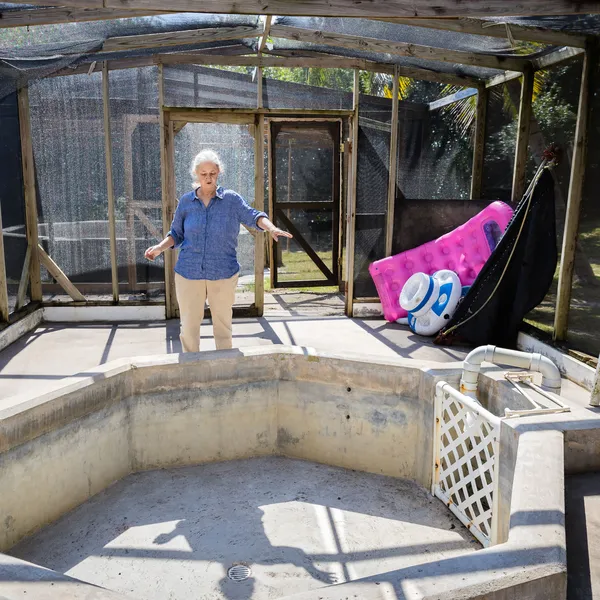
© Tarina Rodriguez / WWF-US
A wildlife rescue project protects Belize’s threatened seascapes and wildlife–one manatee at a time
Projects
Arctic Community Wildlife Grants Program
WWF's Arctic Community Wildlife Grants program supports conservation, stewardship, and research initiatives that focus on coastal Arctic ecology, community sustainability, and priority Arctic wildlife, including polar bears, walrus, ice seals, belugas, bowhead whales, and Arctic seabirds in the Bering, Chukchi, and Beaufort Seas and adjacent coastal areas.

© WWF-US/Elisabeth Kruger
Publications
Experts
-
Dr. Gabby Ahmadia
Vice President, Seascapes and Science, Oceans
-
Dominic Andradi-Brown
Director, Blue Forests
-
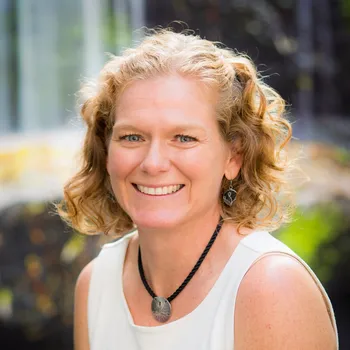
Wendy Goyert
Director, Eastern Pacific Seascape, Oceans
-
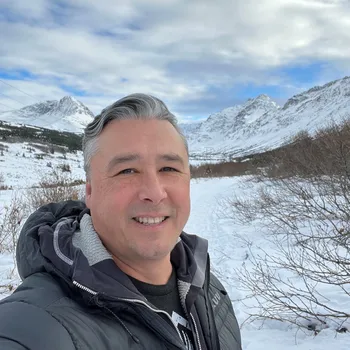
Steve MacLean
Managing Director, US Arctic Program
-
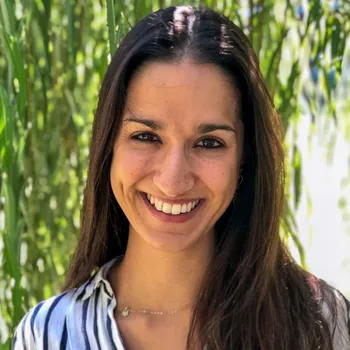
Shauna Mahajan
Director, Western Indian Ocean Seascape, Oceans
-
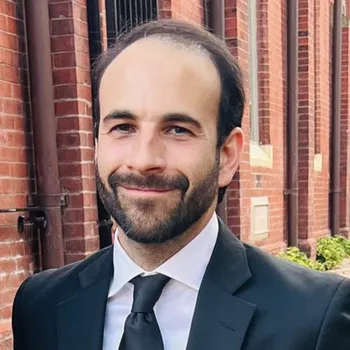
Pablo Obregon
Director, Western Pacific Seascapes, Oceans
-
Abel Valdivia
Lead Marine Conservation Scientist, Oceans
-
Alexis Will
Marine Biologist, US-Arctic Program, Oceans