© Nick Riley / WWF-Madagascar
Southwest Indian Ocean
The marine ecosystems of the Southwest Indian Ocean are rich in biodiversity and the Northern Mozambique Channel, between mainland Africa and Madagascar, is an important migratory corridor and nursery ground for wildlife.
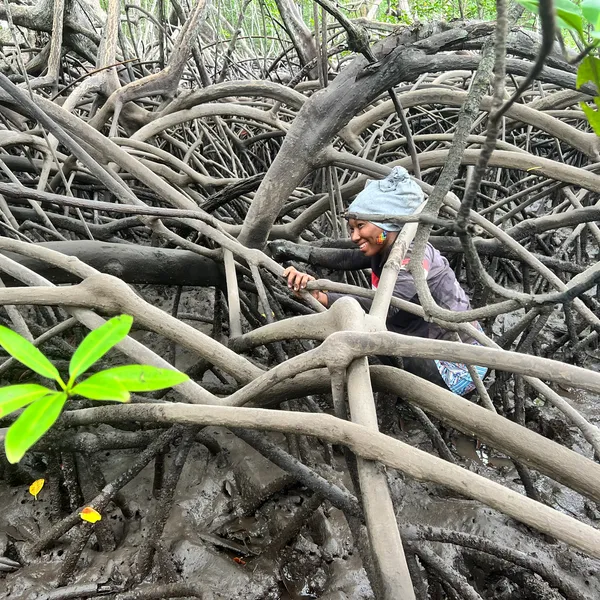
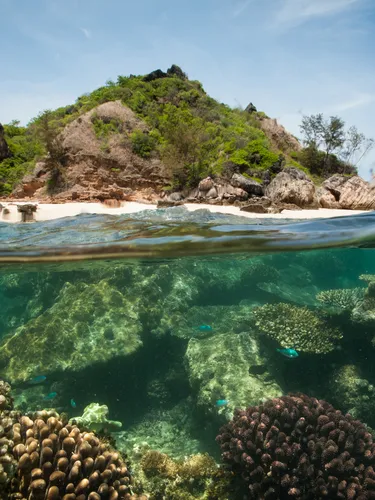
The Southwest Indian Ocean region of Africa encompasses a tapestry of environments—from mangroves to seagrass beds to coral reefs. WWF works across the region and in collaboration with country governments, communities, and partners in Kenya, Tanzania, Mozambique, South Africa, and Madagascar. The marine ecosystems are rich in biodiversity and the Northern Mozambique Channel, between mainland Africa and Madagascar, is an important migratory corridor and nursery ground for wildlife.
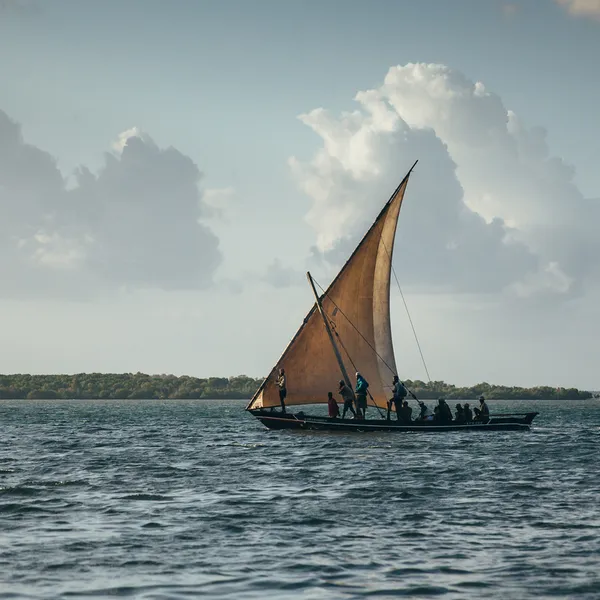
More than 60 million people live along the region’s coastlines and have cultures and traditions deeply connected with the ocean. Despite the region’s natural wealth, it has some of the highest poverty rates in the world and the local population depends heavily on natural resources. To secure these resources for the future, they must be managed sustainably with the local communities who have long been the stewards of the coastlines and play a fundamental role in protecting and managing coastal areas.
Wildlife of the Southwest Indian Ocean

© Philipp Kanstinger / WWF
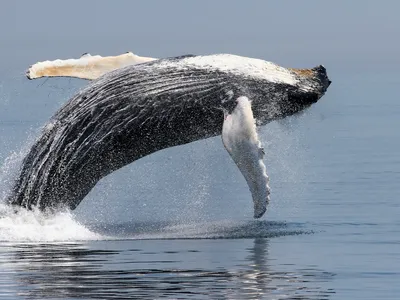
The countries of the southwest Indian Ocean region host rich coastal ecosystems and a high diversity of species. Along the coast, green, hawksbill, olive ridley, loggerhead and leatherback turtles nest and feed. About 27 species of dolphins and whales—including a breeding population of humpback whales, made up of mature individuals who reproduce in the region—as well as dugongs and whale sharks, can be found here. Over four hundred coral species make up the reefs of the Northern Mozambique Channel and thousands of fish species live in the coastal and pelagic waters, including four species of commercially important tuna—bigeye, albacore, yellowfin and skipjack.
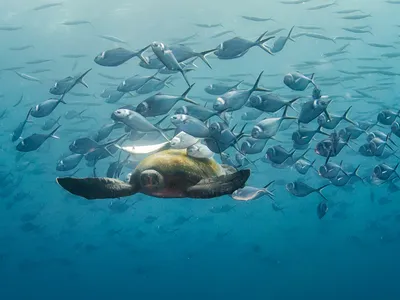
Sea turtles
Seven different species of sea (or marine) turtles grace our ocean waters, from the shallow seagrass beds of the Indian Ocean, to the colorful reefs of the Coral Triangle and the sandy beaches of the Eastern Pacific.
© Antonio Busiello / WWF-US
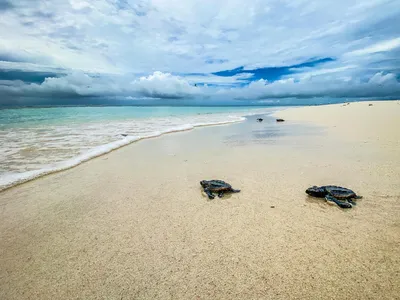
Loggerhead turtles
Loggerhead turtles are named for their large heads that support powerful jaw muscles, allowing them to crush hard-shelled prey like clams and sea urchins.
© Bastien Preuss / WWF France
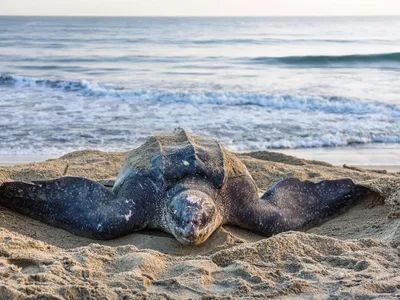
Leatherback turtles
Leatherback turtles are the largest sea turtle species and also one of the most migratory, crossing both the Atlantic and Pacific Oceans.
© naturepl.com / Konrad Wothe / WWF
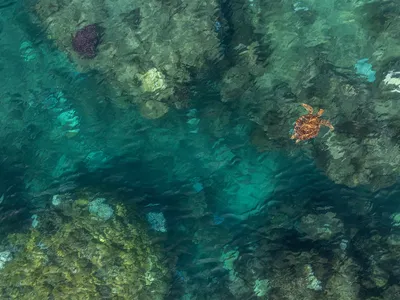
Green turtles
The green turtle is one of the largest sea turtles and the only herbivore among the different species.
© Tom Vierus / WWF Papua New Guinea
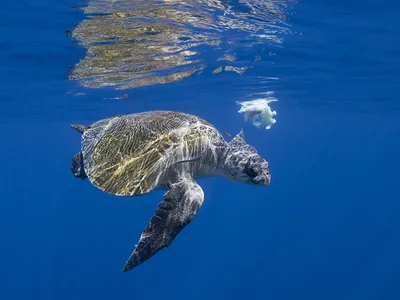
Olive Ridley turtles
The name for this sea turtle is tied to the color of its shell—an olive green hue. They are currently the most abundant of all sea turtles.
© naturepl.com / Doug Perrine / WWF
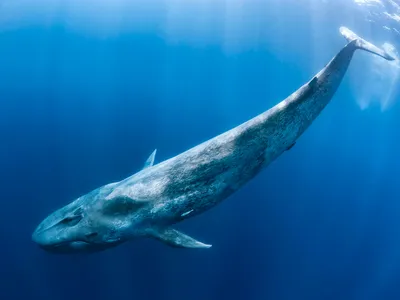
Whales
Whales roam throughout all of the world's oceans, communicating with complex and mysterious sounds.
© naturepl.com / Alex Mustard / WWF
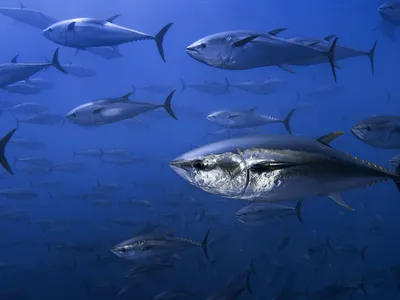
Tuna
Tuna swim incredible distances as they migrate. Some tuna are born in the Sea of Japan and travel across the entire Pacific Ocean to feed off the coast of California, and then swim all the way back to Japan to breed.
© Brian J. Skerry / National Geographic Stock / WWF
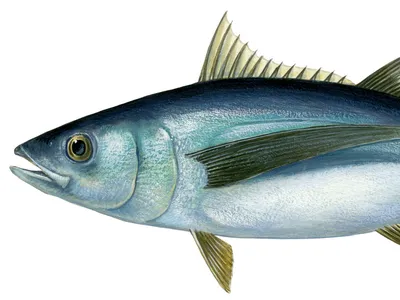
Albacore tuna
Albacore is one of the smaller tuna species, reaching sizes between skipjack and yellowfin.
© Scandinavian Fishing Yearbook / WWF
People and communities of the Southwest Indian Ocean

© Roger Hooper / WWF
Coastal communities and small-scale fishers have long served as traditional stewards of coastal ecosystems in this region. Local communities are now working to secure management rights to their local marine resources and develop pathways out of poverty by using proven tools like community microfinance in partnership with WWF. We also aim to ensure that local communities benefit from economic opportunities created by new sustainable enterprises, including eco-friendly tourism and other nature-based activities.
Southwest Indian Ocean under threat

© Jason Rubens / WWF-Canon
Climate change
This region faces unpredictable rainfall and frequent drought, as well as intense rains, flooding, and coastal storms that bring stronger winds and wave damage along shorelines. These extreme weather conditions severely threaten traditional livelihoods like farming and fishing. In rural areas, people have lost crops and livestock, leading to hunger and outbreaks of malaria. The advancement of climate change is expected to worsen these issues. In addition, ocean warming is threatening biodiversity in the regions’ rich coral reefs, leading to coral bleaching and die-offs and climate-driven fish migration. Coastal erosion and sea level rise endangers nesting beaches of marine turtles and damages mangrove forests, already suffering from increased storm surges.
Unsustainable fishing
Illegal, unreported, and unregulated fishing is a widespread issue, with around 130,000 tons of fish being harvested illegally each year. This results in a potential income loss for the region of $142.8 million and contributes to overfishing and lower food security. Across the region, nearly half of all tuna fishing is potentially a result of illegal fishing. Other harmful fishing techniques such as blast fishing and inappropriate fishing gear—nets with very small mesh sizes, for example—can also cause significant damage to marine habitats and species.
Governance and security
Regional insecurity and the need for stronger governance pose risks to ecosystem protection as financial, personnel, and infrastructure constraints limit countries’ ability to oversee fishery management, marine protected areas, and legislation enforcement at local and national scales. Volatile political conditions and tensions between post-colonial governance structures and traditional management systems have, at times, caused conflicts, corruption, and wide-spread protests that can exacerbate stress on resources such as fish populations and mangrove forests.
Gender equality
Issues of governance in fisheries as it relates to gender are pervasive across the region. Despite their critical and widespread roles in fisheries and aquaculture, women are underrepresented and underpaid and tend to be excluded from decision-making and the shaping of policy.
WWF is taking action to protect the Southwest Indian Ocean
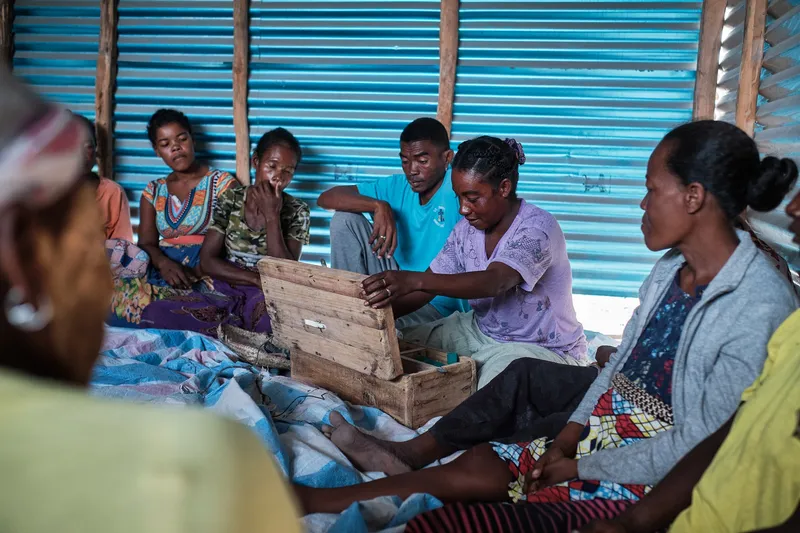
© iAko R. / WWF-Madagascar
Marine and Coastal Protection
Community-led conservation
WWF partners with communities to ensure that they have the capacities, funding, and support needed to effectively steward their own local marine areas. While formal community management rights are still developing in Mozambique, the rights for communities to manage fisheries have been formalized in Madagascar and Tanzania. In Tanzania, WWF has helped communities, inspired by the success of locally managed marine areas in Madagascar, to successfully implement temporary octopus fishery closures to better manage and protect one of the most biologically productive and diverse marine areas in East Africa as well as increase harvest totals.
Adapting to climate change
WWF works with communities across the southwest Indian Ocean to identify vulnerabilities to climate change and develop strategies to adapt and increase their resilience. To help alleviate that pressure, WWF is focused on ecosystem-based disaster risk reduction and supporting alternative livelihoods.
Madagascan communities are managing 12,000 acres of mangroves and have restored 3,000 acres of mangroves using WWF’s climate-smart restoration methodology. A national-level strategy for mangrove protection supported by WWF was launched in 2024 in partnership with the Madagascar Ministries of Environment and Sustainable Development and Fisheries and Blue Economy.
Community microfinance and enterprise
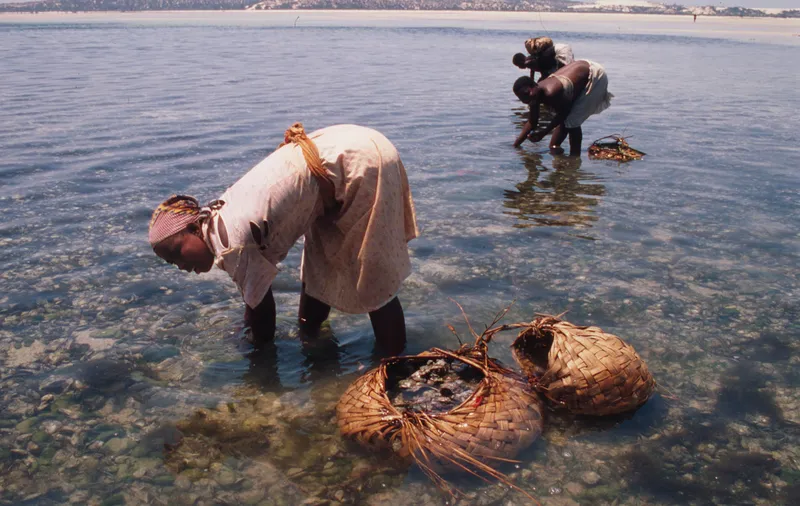
WWF works to advance capacity development and innovative financial mechanisms in the region. Our focus is on improving and diversifying community livelihoods—particularly of women and youth—to restore coastal ecosystems and reduce threats. Locally, WWF champions establishing and strengthening community savings groups to catalyze financial growth and complement ecosystem management. In Tanzania’s RUMAKI seascape (made up of the Rufiji Delta, Mafia Island, and Kibiti-Kilwa coastal zone), 527 microfinance groups have formed, two-thirds of which were established independently. Through the SWIO Venture Builder, WWF works regionally on a multi-sectoral and multi-stakeholder financial coordinator system to support micro, small, and medium enterprises and bridge development gaps between philanthropy-driven development of enterprises and the incubation of investment-ready businesses.
© Meg Gawler / WWF-Canon
Sustainable and Resilient Blue Economy
Increasing sustainable fishing
WWF works with community level fisheries on management-oriented monitoring systems to understand artisanal catch data, track annual trends, and support decisions to improve management and limit overfishing. For the 334,0000 people working in Mozambique’s artisanal fisheries, including women who hold diverse roles across the production system, sustainable management helps maintain livelihoods and healthy ecosystems.
In Madagascar, WWF provides local seafood cooperatives and associations with training in business management and seafood preservation equipment and techniques. This builds local leadership skills and decreases product loss so fishers and sellers can improve efficiency and reduce strain on marine ecosystems.
Featured projects in the Southwest Indian Ocean
© Amy Kennedy / NOAA
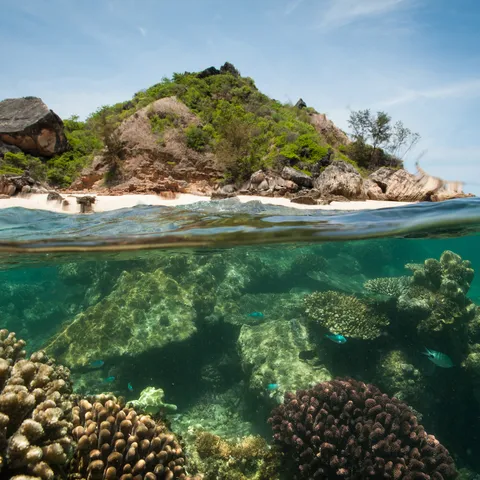
Expanding and consolidating Madagascar’s Marine Protected Areas Network
Ministries have come together to support the project and its goals. Through this cooperation and strong interest from the president, the project will safeguard Madagascar’s marine resources into the future. The project works on tripling the number of Marine Protected Areas and strengthening their ma
© Green Renaissance / WWF-US
Mozambique’s Lifeline: Nature
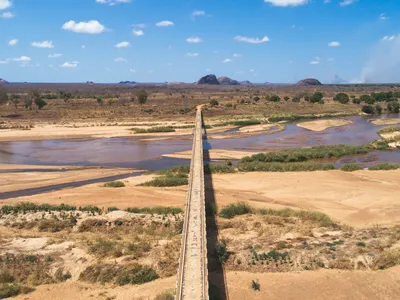
Mozambique is instituting a five-year strategy that makes the sustainable management of natural resources and the environment a priority, and to the creation of a program that will focus on protecting the country’s natural capital.
© Nick Riley / WWF-Madagascar
Experts
-
Dominic Andradi-Brown
Director, Blue Forests
-
Shauna Mahajan
Director, Western Indian Ocean Seascape, Oceans
-
Shashank Singh
Manager, Blue Finance
-
Abel Valdivia
Lead Marine Conservation Scientist, Oceans
-
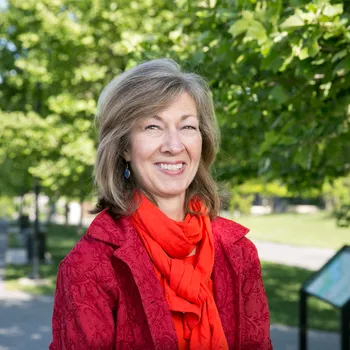
Anita van Breda
Senior Director, Environment and Disaster Management
-
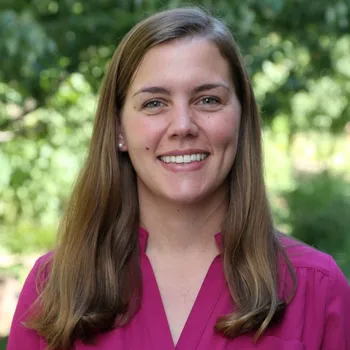
Brittany Williams
Senior Program Officer, Forests