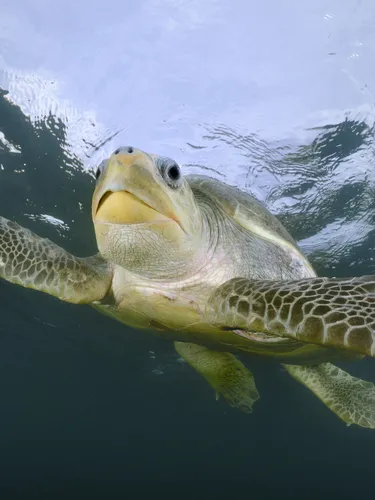
© naturepl.com / Solvin Zankl / WWF
Olive ridley turtles
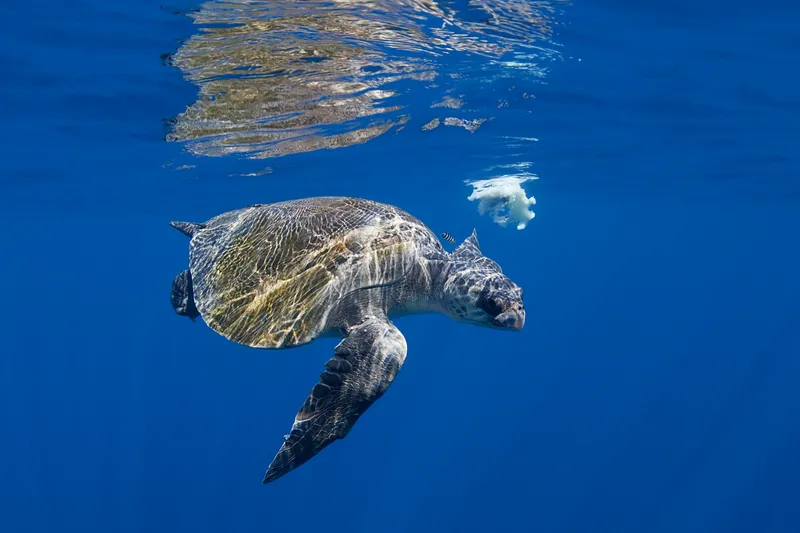
The name for this sea turtle is tied to the color of its shell—an olive green hue. They are currently the most abundant of all sea turtles. Their vulnerable status comes from the fact that they nest in a very small number of places, and therefore any disturbance to even one nest beach could have huge repercussions on the entire population.
Olive ridley turtle facts
- Status Learn more about endangered status categories and explanation
- Vulnerable
- Scientific name
- Lepidochelys olivacea
- Weight
- 75–110 pounds
- Length
- 24–28 inches
- Habitats
- Oceans
News and stories
Why olive ridley turtles matter
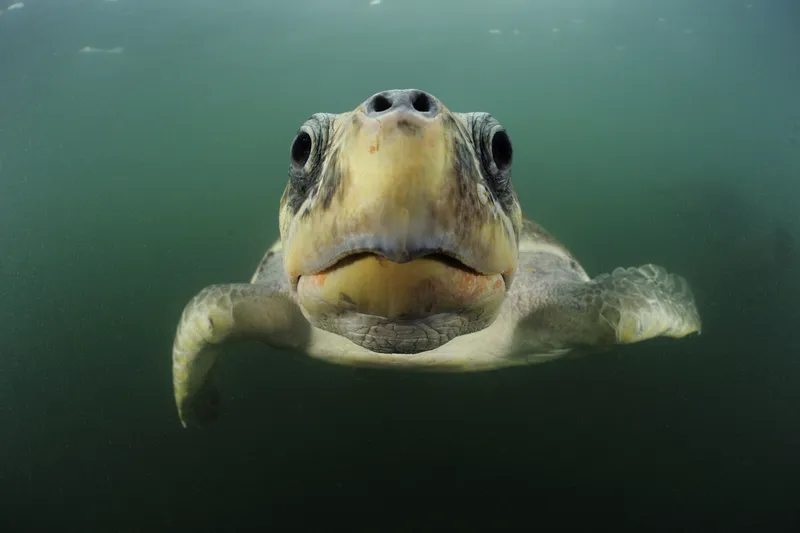
© naturepl.com / Solvin Zankl / WWF
Sea turtles are a fundamental link in marine ecosystems and help maintain the health of coral reefs and sea grass beds.
Threats to olive ridley turtles

© Roger Leguen / WWF-Canon
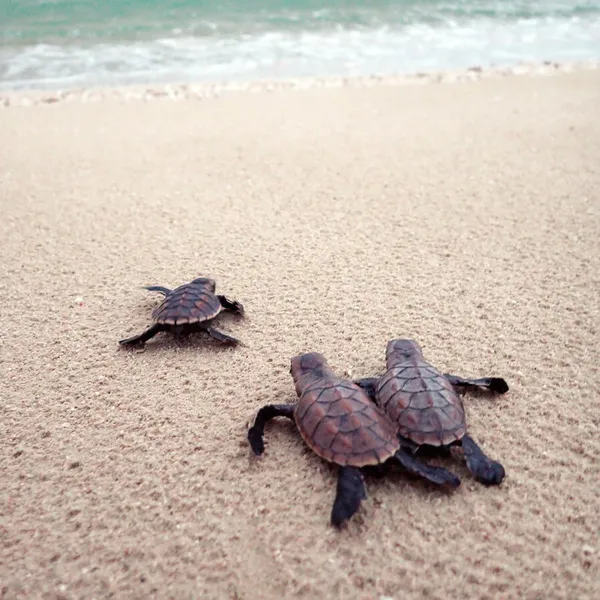
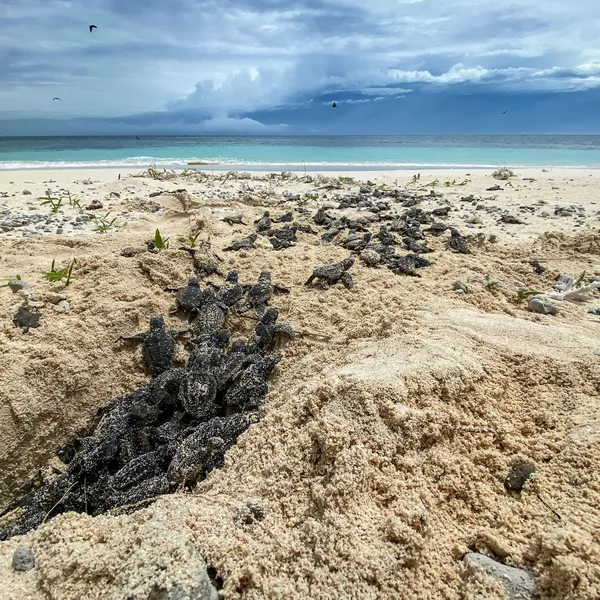
All stages of a sea turtle’s life are affected by environmental conditions such as temperature—even the sex of offspring. The warmer the nest beach conditions, the more female hatchlings that emerge from the eggs. Unusually warm temperatures caused by climate change could be disrupting normal sex ratios, resulting in fewer male baby turtles. Warmer sea surface temperatures can also lead to the loss of important foraging grounds for marine turtles, while increasingly severe storms and sea level rise can destroy critical nesting beaches and damage nests.
How WWF is taking action to protect the olive ridley turtle
Protecting sea turtle habitat
WWF works around the world to establish marine protected areas (MPA) to ensure sea turtles have a safe place to nest, feed and migrate freely. We encourage governments to strengthen legislation and provide funding for sea turtle protection. WWF also supports the monitoring and patrolling of turtle nests in many parts of the world to equip local turtle conservationists. This often leads to ecotourism opportunities and offers alternative livelihoods.
© naturepl.com / Doug Perrine / WWF
Minimizing climate change impacts
WWF studies how climate change affects sea turtles and works to find the best ways to reduce their vulnerability to changing environmental conditions. We work around the world with communities to monitor and protect nesting beaches which helps to build resilience to the future impacts of climate change. In the Eastern Pacific we work to raise awareness on the threat of sea level rise on nest sites and the importance of shade for nests.
Eliminating bycatch
WWF aims to reduce turtle bycatch by working with fisheries to switch to more turtle-friendly fishing hooks (“circle” hooks) and advocates for the use of devices that exclude turtles from nets. We run an international competition called Smart Gear to attract creative new ways to solve bycatch problems and to advance those ideas. Winning devices have been designed to minimize the bycatch of turtles on tuna longlines and help turtles avoid gillnets. We work with fishermen to help them save turtles caught in fishing gear. We also use satellite devices to track turtle movements to help prevent future interactions between fisheries and turtles.
How you can help
© WWF-US / WWFGifts
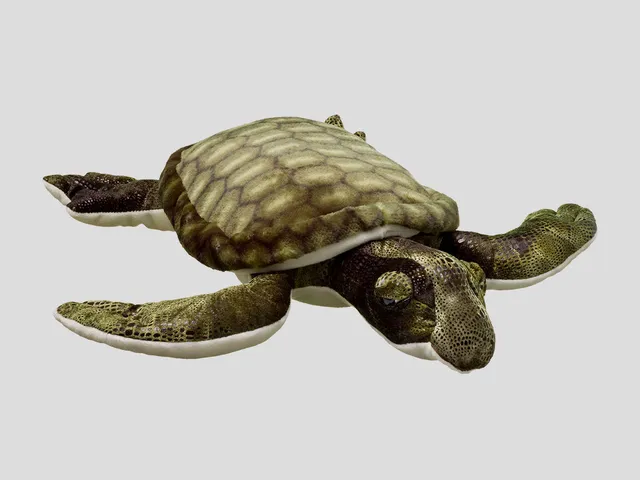
Adopt a green turtle
Support WWF’s global efforts to protect wild animals and their habitats and choose from kits with plush and more.