What does ‘endangered species’ mean?
‘Endangered species’ refers broadly to species facing a high, very high, or extremely high risk of extinction. These species are classified as Vulnerable, Endangered, or Critically Endangered through a rigorous assessment.
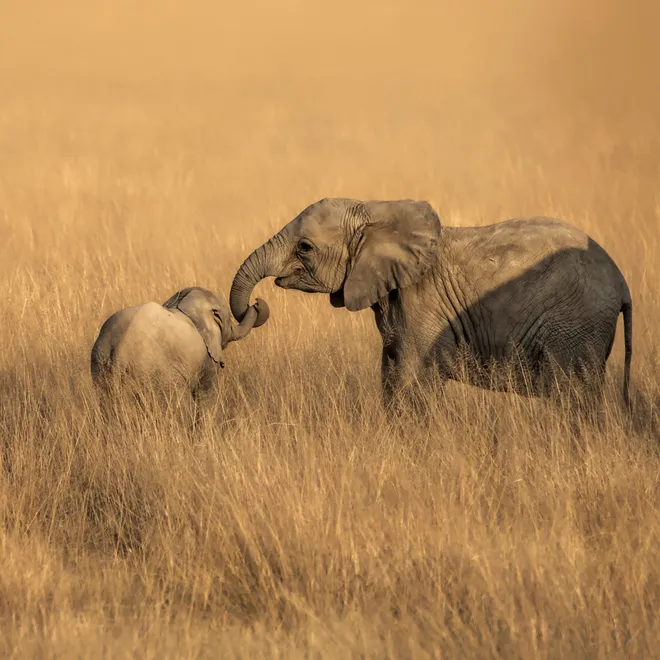
© Tom Stahl
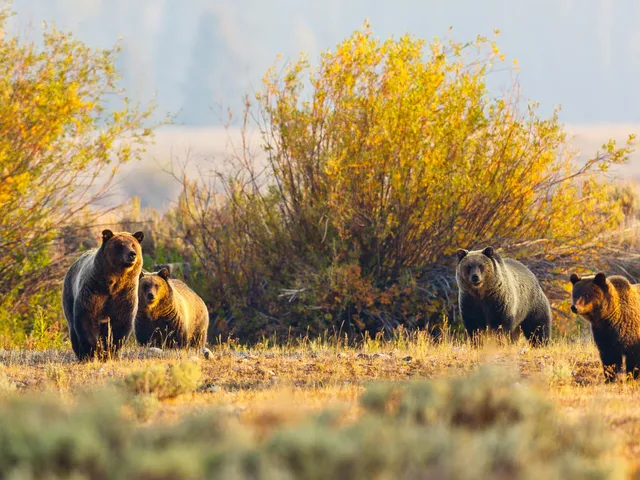
© George Walsh
Strengthen the Endangered Species Act
More than 99% of the species listed under the Endangered Species Act have avoided extinction due to the law’s protections. Today, those protections are under threat — at the exact moment wildlife needs them most.
Let’s start with the basics
A species can be an animal, a tree, a coral, a fungus, an insect, or any number of other life forms on this planet (including humans). Altogether, we call this range of life ‘biodiversity.’
How many species are out there? The honest answer is that we don’t really know. Estimates track well into the millions, with new species discovered regularly.
But we like to study the species we do know of and figure out how healthy they are. That brings us to the term ‘endangered’ and a critical tool for protecting wildlife and wild places.
How healthy is life on Earth?
Each species is different from the next, so it’s no surprise that overall health and longevity vary from one to another, too. Some, like the brown bear, are not in imminent peril, while others, like the Javan rhino, cling to survival.
The International Union for Conservation of Nature maintains a global roundup of animals, plants, and fungi and tells us whether a given species still exists and the likelihood that it will become extinct in the future. This Red List of Threatened Species is a cornerstone of conservation, helping us identify which species need our immediate help and how we can protect them.
A species falls into one of eight categories:
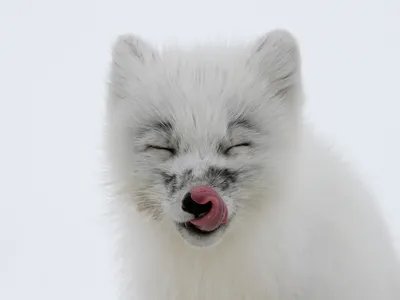
Least Concern
Example: Arctic Fox
© Dmitry Deshevykh / WWF-Russia
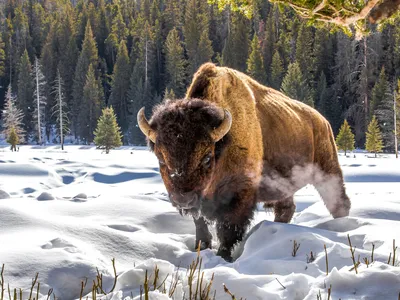
Near Threatened
Example: Plains bison
© Thomas Szajner / WWF-US
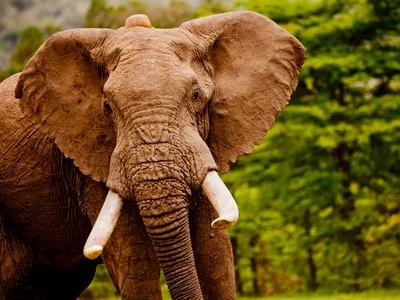
Vulnerable
Example: African elephant
© Greg Armfield / WWF-UK
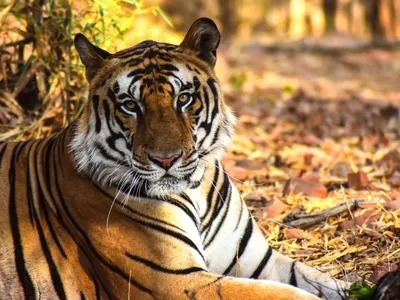
Endangered
Example: Tiger
© Sanskar Khedekar
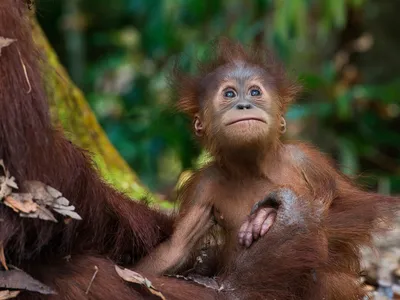
Critically Endangered
Example: Orangutan
© Gita Defoe
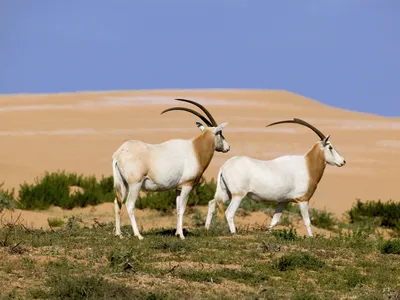
Extinct in the wild
Example: Scimitar-horned oryx
© Martin Harvey / WWF
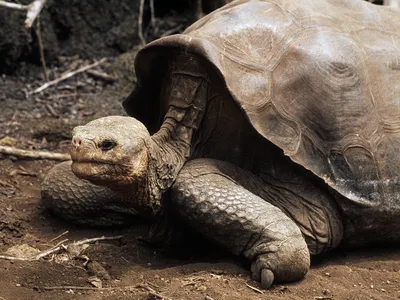
Extinct
Example: Pinta Island tortoise
© Martin Harvey / WWF
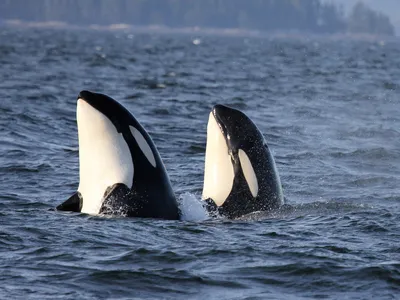
Data Deficient
In other words, we simply do not know enough about a given species to make a judgment on how they’re doing overall.
Example: Orca whale
© Natalie Bowes / WWF-Canada
Experts perform a rigorous assessment of a given species to categorize it, asking a host of crucial questions. Is the species’ habitat shrinking? If so, how quickly? How many individuals are there? Is that number dropping? How drastically?
They look at what threats the species faces, too, and any actions underway to protect it.
While all these categories are important in evaluating life on Earth, the term ‘endangered’ refers specifically to species listed as Critically Endangered, Endangered, and Vulnerable. Here’s how that boils down:
- Critically Endangered: A species considered to be facing an extremely high risk of extinction in the wild.
- Endangered: A species considered to be facing a very high risk of extinction in the wild.
- Vulnerable: A species considered to be facing a high risk of extinction in the wild.
So far, more than 96,500 species have been assessed for the Red List, and more than 26,500 of those are threatened with extinction
Here's how that breaks down.
-
41% of amphibians
Amphibians are the most threatened vertebrate class on Earth.
-
34% of conifers
Conifers such as cedars, cypresses, firs, and other cone-bearing plants are now threatened with extinction
-
44% of corals
Climate change is the main threat to reef-building coral species.
-
37.5% of sharks and rays
Overfishing puts more than one-third of all sharks, rays, and chimaeras at risk of extinction.
-
28% of selected crustaceans
This group includes lobsters, freshwater crabs, freshwater crayfishes, and freshwater shrimps.
-
26% of mammals
Among the most threatened are pangolins, mountain gorillas, and tigers.
-
12% of birds
Agriculture and illegal logging impact bird species.
The IUCN Red List also reassesses how species are doing over time. If things have improved for a given species—meaning the population has grown due to conservation efforts—then that species will be ‘downlisted’ to a less critical status. For example, the giant panda was downlisted from ‘Endangered’ to the lesser status of ‘Vulnerable’ in 2016 thanks to dedicated work to protect them. The flip side of this is ‘uplisted,’ indicating that a species population is dropping.
Protecting the most vulnerable wildlife
WWF works to save at-risk wildlife from around the globe. We’re protecting and connecting the habitat of Endangered tigers; stopping poaching of the Critically Endangered black rhino; and fighting back against the illegal trade of elephant ivory from Vulnerable African elephants.
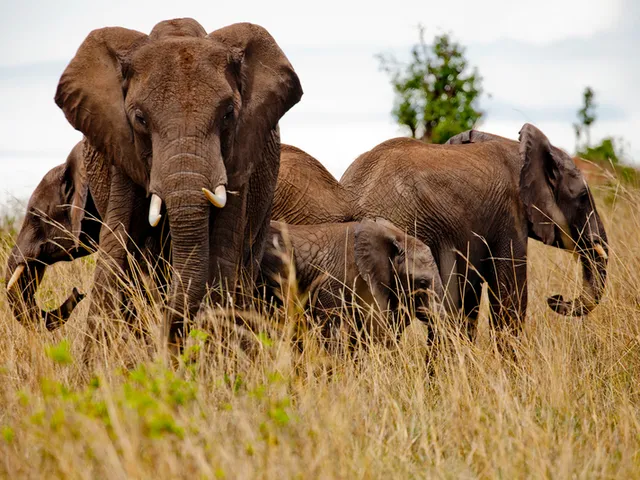
© Greg Armfield / WWF-UK
Stop wildlife crime
Pledge to stop wildlife crime and commit to preserving nature's beauty for future generations.