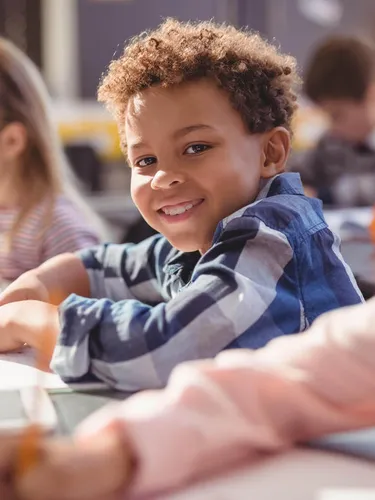
© wavebreakmedia / Shutterstock
Educational Resources
Introducing WWF's Wild Classroom
Connecting educators and caregivers with the tools and resources they need to help kids explore and understand the natural world around them.
Lesson library
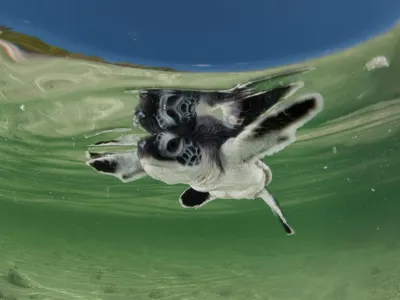
© Jonathan Caramanus/Green Renaissance/WWF-UK
Grades 3-5
Sea turtles & oceans
Use this toolkit to explore, analyze, and discuss the importance of oceans and sea turtles, and what we can do to protect them.
© AFRICA STUDIO - STOCK.ADOBE.COM
Grades K-2 | 3-5 | 6-8 | 9-12
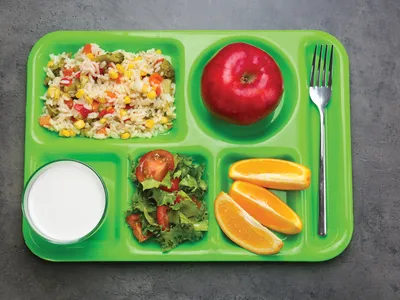
Food waste warriors
Discover our comprehensive K-12 lesson plans, activities, and classroom materials to teach students the environmental impact of school lunch.
© Jaime Rojo / WWF-US
Grades 6-12
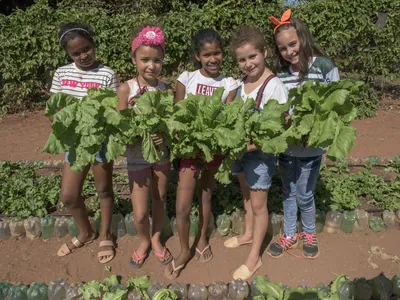
Green club guide
This guide helps educators lead middle- and high-school clubs with tools and inspiration to make a lasting impact on our environment.
Choose from a variety of toolkits featuring information guides and activities about some of WWF’s priority species and conservation goals. These subject-integrated lessons are perfect for school, home, or any learning environment and will leave kids with an understanding of how their actions help shape the future of nature.
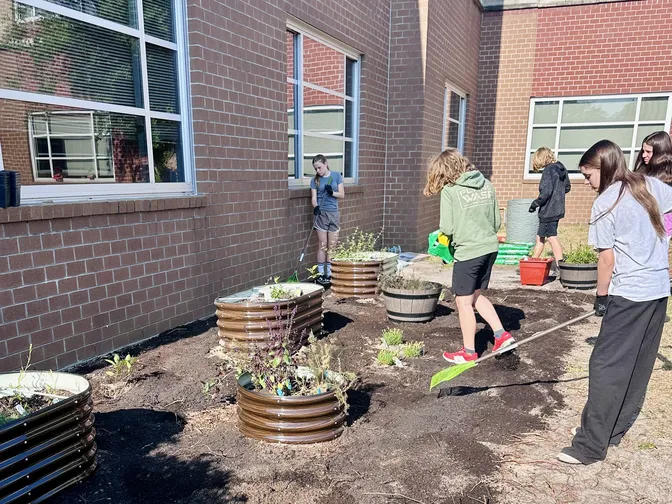
Greenprints for the Future
What environmental challenges do your students see in their school or community? Greenprints for the Future gives students the opportunity to develop their own solutions and take action. Educators can apply to receive $1,200 from Wild Classroom to support their students’ projects. Applications are due November 16.
© WWF
Webinars and livestreams
Live events for educators and students
Livestreams for students
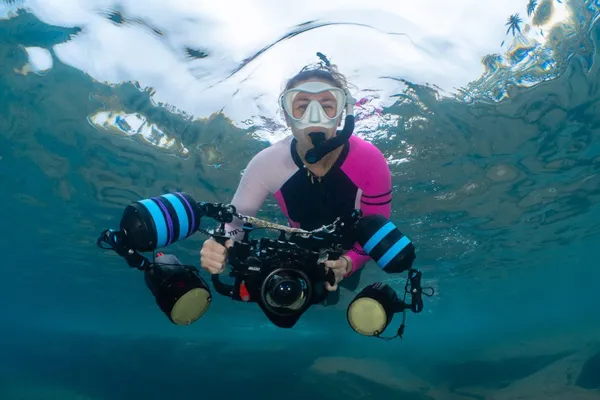
Wild Classroom has teamed up with Exploring By the Seat Of Your Pants to bring WWF conservation experts into your learning space through interactive live events and videos. Register for our October 6 livestream from 12:30 pm to 1:15 pm EST - Trash to Treasure: How wasted food can become healthy soil.

© Clinton Sander
Webinars for educators
Throughout the school year, join Wild Classroom in The Wild Teacher's Lounge, a fun learning series designed for educators that are dedicated to inspiring the next generation of environmental leaders.
Check back soon for upcoming webinars.

© WWF-US / Keith Arnold
© Madalen Howard
Revisit Wild Classroom student livestreams
© Madalen Howard
Wild Classroom has teamed up with Exploring By the Seat Of Your Pants to bring WWF conservation experts into your learning space through interactive live events and videos. Bring science to life by allowing students to learn directly from those working to protect species and habitats around the world.
The latest on Wild Classroom’s YouTube channel
Learn about Great Apes!
What if your closest animal relatives were living in the forests around the world? Meet the great apes—from powerful gorillas to clever chimpanzees—and discover how these incredible animals help keep forests healthy and why protecting them matters to us all.
Other educational tools
Use these apps, games, videos, and more to reinforce with students the importance of conservation and how they can make a difference.
Curated collections
Looking for a ready-to-go robust lesson plan on a particular topic? We’ve pulled together various Wild Classroom resources from our Curriculum Library to create a collection of prepackaged, multi-step lesson plans spanning topics in wildlife, ecosystems and habitats, and human impact on the environment.
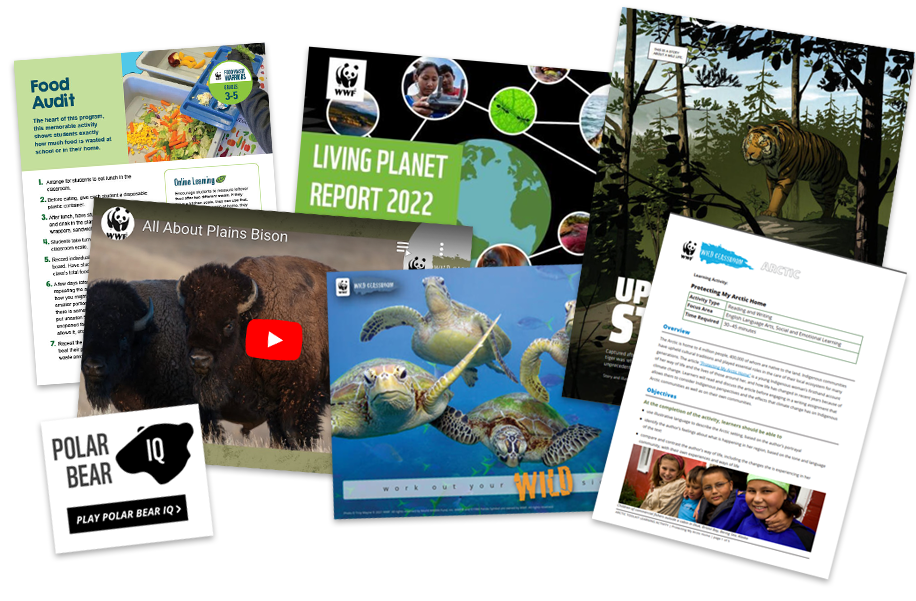

© Shutterstock / Igor Link
Conservation current events
Environmental news and activities
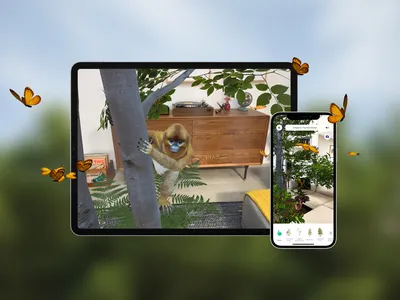
© WWF
Educational apps
iPad and iPhone Apps
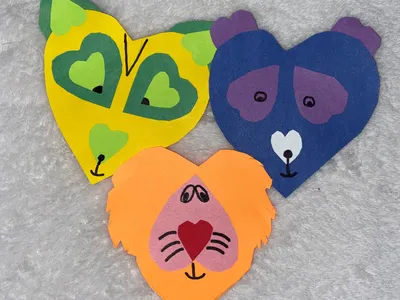
© WWF
Wildlife arts and crafts
Learn about wildlife through creativity
© Shutterstock / Lukas Kovarik / WWF
Work out your wild side
Physical education activities
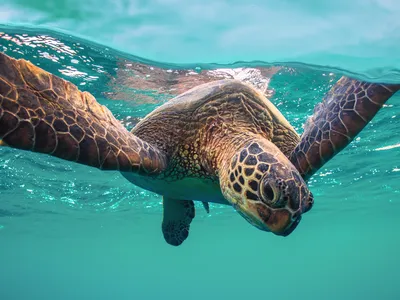
© SHUTTERSTOCK/WILLYAM BRADBERRY/WWF-SWEDEN
Wildlife species cards
Informational animal profiles
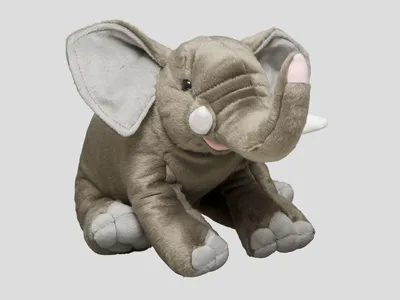
© WWF-US / WWFGifts
Teacher collection
Symbolically adopt an animal for your classroom
Wild Classroom on Kahoot!
Explore Wild Classroom's library of free activities, videos, crafts, and interactive experiences to teach the importance of nature.
© Kahoot!
Educator spotlight
Going the extra ‘wild’ mile
Read inspiring stories from educators and youth leaders who have brought conservation into their teaching and sparked students’ excitement to take action for the planet. By sharing these successes, we hope to inspire new ideas for using WWF and Wild Classroom resources while helping young people build valuable skills along the way.
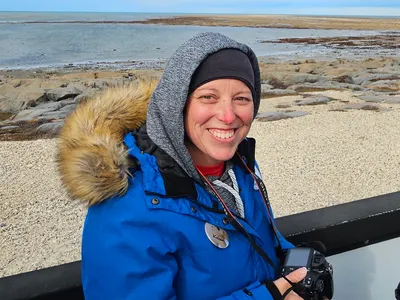
© Courtesy of Koleen Haldeman
Koleen Haldeman
Papillion LaVista Community Schools Zoo Academy, Nebraska
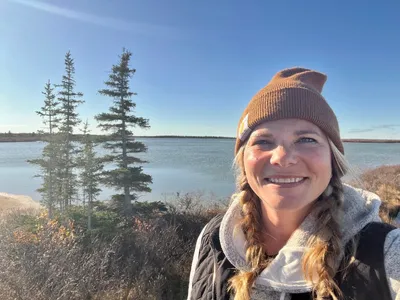
© Erin Schmidt
Erin Schmidt
Totino-Grace High School, Fridley, Minnesota
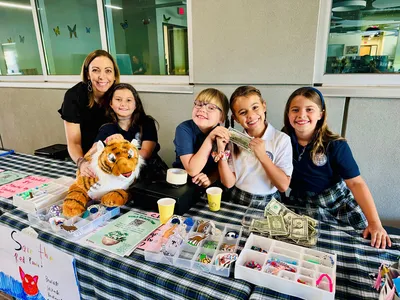
© Tracey Williams
Tracey Williams
All Saints’ Episcopal Day School, Phoenix, Arizona
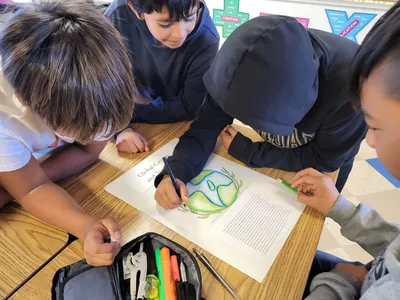
© Annette Maier
Annette Maier
Jefferson Middle School, San Gabriel, California
Recognized as a 2025 Silver Anthem Award winner, Sustainability, Environment & Climate: Education or Literacy Program and a 2024 Best Digital Learning Tool, American Association of School Librarians.