Conservation Current Events
Connect learners to real-world conservation news from WWF’s global network of scientists and storytellers. These resources help students engage deeply with topics affecting our planet while building critical thinking and media literacy skills.

© Shutterstock / Igor Link
How to use Conservation Current Events:
➊ Explore recent news
Explore the curated and timely WWF news stories, reports, podcasts, and images/videos below and then select the material you want to use with your students. New stories will be updated regularly.
© Bruce D. Taubert
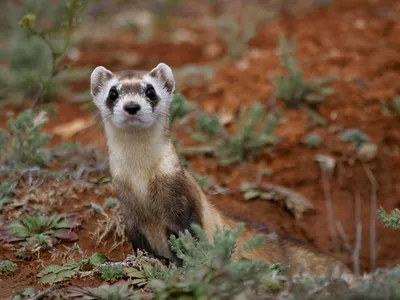
Habitat destruction threatens endangered species protections
Discover why the Endangered Species Act is so important for protecting wildlife and habitats. This story explains how changing this law can put the places wildlife depend on at greater risk, and impact ecosystem services like clean water and flood protection that humans depend on too.
© Shutterstock / PACO COMO / WWF-Int
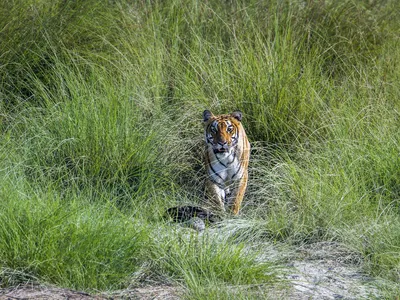
Wild tiger population more than triples in Nepal, highlighting critical work of coexistence
Discover how Nepal’s wild tiger population has more than tripled since 2010, growing from 121 tigers to 429. Learn how local communities, conservation partners, and innovative solutions are helping people and tigers share the same landscapes—and why coexistence is critical in protecting tigers.
© James Bolyard/NWF
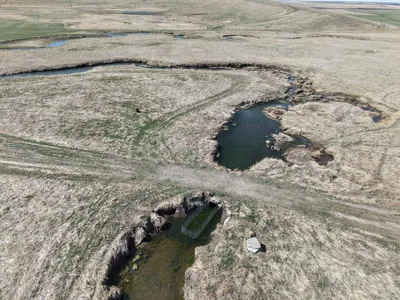
Keeping Montana ranches welcoming to beavers
Learn how willow trees and beavers are a powerful team for restoring nature. In Montana, a family cattle ranch planted willow trees, a source of food and building material for beavers, helping these ecosystem engineers slow down fast-moving water and protect against erosion.
➋ Choose activity
After selecting the media piece, choose the activity that best aligns with your learning objectives to help students apply their understanding of the conservation current event. Each grade-band-specific activity includes a teacher handout with instructions and NGSS alignment, as well as a student handout designed to promote critical thinking and analysis of key concepts.
Learning activities
-
Printables & Worksheets
Who, What, Where, When, Why, How
Help young learners build reading comprehension and information-gathering skills through this simple, literacy-friendly environmental news activity.
Grade3-5 -
Printables & Worksheets
Cause and Effect
Help students explore the ripple effects of environmental issues by identifying causes and effects, strengthening their analytical thinking and understanding of system interactions and human impact.
Grade6-8 -
Printables & Worksheets
Claim, Evidence, Reasoning
Develop students’ scientific argumentation skills through real-world conservation stories as they analyze claims, evaluate evidence, and construct logical conclusions.
Grade9-12 -
Printables & Worksheets
Seminar or Debate
Foster foundational communication skills through structured discussions on current conservation issues as students explore diverse perspectives, gather evidence, and engage in respectful dialogue.
Grade9-12 -
Printables & Worksheets
See, Think, Me, We
Guide students in visual interpretation and personal reflection using images or videos from WWF stories with a Harvard Project Zero thinking routine that builds observation, empathy, and systems thinking skills.
Grade9-12