Conservation highlights of 2025
We need nature, and nature needs us. This year has seen real progress in protecting our planet.

By
-
Daniel Vernick

© Day's Edge / WWF-US
What a year it’s been! As 2025 comes to a close, we are taking a moment to reflect. Nature doesn’t just surround us—it sustains us. We know that we need nature, and nature needs us.
Challenges have certainly been plentiful, but we’ve also seen real progress in protecting our planet for people and nature. Here are some highlights of what we’ve achieved this year.
Protecting iconic wildlife
Protecting 1.3 million acres in one of the world’s last remaining grassland habitats
In October, WWF’s Sustainable Ranching Initiative (SRI)—a grasslands conservation partnership with ranchers throughout the Northern Great Plains—reached a milestone: improving management and protection of 1.3 million acres in one of the world’s last remaining temperate grassland habitats. The achievement stemmed from the Ranch Systems and Viability Planning network, a program encompassing 121 private ranches that provides training and support for ranchers to improve sustainable management of their ranches. SRI has also restored 45,000 acres of native prairie through 163 reseeding projects and 500 acres of wetlands through 16 projects across Montana, South Dakota, Nebraska, and Wyoming.
Bhutan eDNA results reveal the presence of rare wildlife
Last summer, WWF scientists trekked high into Bhutan’s Eastern Himalayas to collect water samples from the high-elevation Paa Chhu River. The goal was to extract environmental DNA (eDNA) from these samples to see what species could be found in this remote, high-altitude habitat. Not only were snow leopards detected, but 19 other mammal species were also identified, including extremely rare species like the woolly flying squirrel and species like sambar deer, found at record-breaking altitudes. With the opening of Bhutan’s first eDNA lab last year, data analysis can now be done in-country, significantly reducing the amount of time and cost it takes to generate results.
Nepal’s latest snow leopard population estimate shows stable numbers
Nepal’s recent national estimate of its snow leopard numbers found a relatively stable population of 397 individuals. It’s the first robust estimate of the country’s snow leopard population, which until now, were only guestimates based on sign surveys—surveys of snow leopard tracks, scat, and tree scrapes—and habitat modeling. This information will be vital for informing future conservation strategies to conserve this threatened species. It also underscores Nepal’s commitment and global leadership in snow leopard conservation.
Technology helps to stop poaching in Kenya
More than 80% of Kenya’s rhinos can be found in 11 of the country’s reserves, which also face the highest risk for rhino poaching. However, despite persistent poaching threats, Kenya has succeeded in reducing, and in some areas, completely halting poaching. Technology has played a major role in this achievement as part of a collaboration between WWF, Teledyne FLIR, and Kenya Wildlife Service to deploy FLIR thermal cameras to stop rhino poaching. Equipped with night vision and artificial intelligence, the cameras can detect humans, wildlife, or vehicle movements at night. If an intrusion or suspicious activity is detected, the cameras will send automated alerts back to the operations control room, allowing rangers to quickly respond. The FLIR technology has helped Ol Pejeta Conservancy and Solio Game Reserve, home to some of the largest populations of critically endangered black rhinos in East Africa, achieve zero poaching since the implementation of the FLIR system.
Celebrating 10 years of conservation in Sumatra’s Thirty Hills
Thirty Hills, located in central Sumatra, Indonesia, is one of the island’s last large blocks of intact lowland forest and home to some of the world’s most critically endangered species. However, deforestation and plantation expansion threatened to erase this landscape entirely. In 2015, WWF and partners secured the rights to manage the forest as a commercial entity under the newly formed Thirty Hills Forest Company. Nearly 100,000 acres of forest previously designated for logging were now an ecosystem restoration concession. A decade later, the Thirty Hills landscape shelters some of the world’s rarest wildlife, including a resident herd of Sumatran elephants, an estimated 10% of the global population of Sumatran tigers, and a growing, self-sustaining community of reintroduced orangutans. Local and Indigenous communities are recognized as its stewards, and sustainable, forest-friendly activities are supporting both livelihoods and biodiversity.
Highlighting the benefits of wildlife and biodiversity to people
WWF-led research revealed how much people rely on wildlife, often without realizing it. The study highlights dozens of “invisible” benefits that mammals, birds, reptiles, amphibians, and fish provide, from seed dispersal that keeps forests intact to natural pest control that safeguards food crops. The findings show that continued biodiversity loss could directly undermine human well-being and economic stability. By quantifying these benefits, the research strengthens the case for investing in wildlife conservation not just for nature’s sake, but as an essential foundation for climate resilience, food security, and sustainable development.
New group of gorillas successfully habituated in Dzanga-Sangha
Efforts to habituate a new group of western lowland gorillas in the Dzanga-Sangha Protected Areas complex proved a resounding success. Following the unfortunate deaths of the resident silverbacks from all three of the protected area's habituated groups in less than two years, the seasoned staff capably habituated a new group in record time. A silverback named Limo now leads the gorilla group, and tourists can once again view them. This success can be attributed to the experience of our teams and the fact that many members of the Limo group have been part of previously habituated groups.
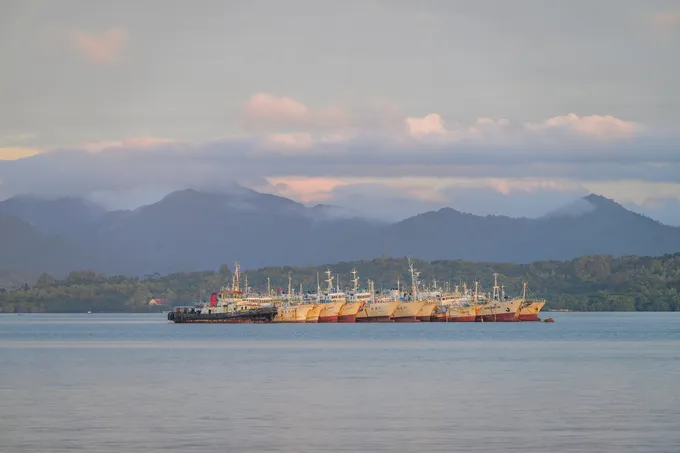
© WWF-Pacific / Tom Vierus
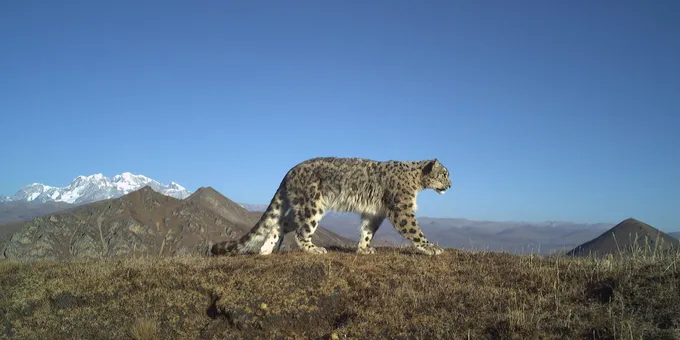
© Department of Forests and Park Services, MoENR Bhutan
Conserving our oceans
Announcing the first Arctic Community Wildlife Grant recipient
WWF announced the inaugural round of funding from our Arctic Community Wildlife Grants program. This program supports conservation, stewardship, and research initiatives that focus on coastal Arctic ecology, community sustainability, and priority Arctic wildlife, including polar bears, walrus, ice seals, belugas, bowhead whales, and Arctic seabirds in the Bering, Chukchi, and Beaufort Seas and adjacent coastal areas. Arctic Community Wildlife Grants address community concerns and achieve meaningful outcomes for the conservation of Arctic wildlife and the people who depend on them. The first project focused on walrus populations in the Bering Strait, “SEA-ICEotopes.”
Restoring mangroves for Community and Climate
WWF experts work with coastal communities around the world to improve management, implement climate-smart restoration, and establish protections for mangroves. In the last four years, we’ve protected and restored over 2.4 million acres, benefitting over 280,000 people annually and securing more than 1.4 billion tons of CO2 equivalent.
Arctic science and education in the Bering Sea
Our US Arctic Team partners with Alaska Native communities across the Bering Sea to support their marine cultural heritage and sustain ties to the ocean and marine wildlife. WWF marine biologist Alexis Will led this year’s seabird camp on St. Paul Island. The one-week camp offered an opportunity for kids to continue learning during the summer school break through a mix of hands-on learning and outdoor discovery as seabirds such as murre and auklet migrated up through the Bering Sea for nesting season.
In a historic win for the ocean, nations ratify the first-ever UN High Seas Treaty, setting a new global standard for marine protection
WWF played a pivotal role in securing this landmark agreement—advocating for strong, equitable safeguards for marine biodiversity and now helping drive its full, science-based implementation on the world’s high seas. The High Seas Treaty, also known as the agreement on Biodiversity Beyond National Jurisdiction, is necessary to implement the Global Biodiversity Framework, which commits countries to protect and conserve at least 30% of the ocean and ensure 30% of degraded areas are under restoration by 2030. The treaty provides for a global legal framework to establish protected areas in the high seas and mandates management plans for these areas.
The 2024 Above Board report highlights growing financial momentum for sustainable seafood
WWF’s 2024 Above Board report provides the most comprehensive look yet at how 40 global banks are managing environmental and social risks in the seafood sector, revealing encouraging year-over-year progress—as nearly half improved their performance. With new client expectations, updated sustainable finance criteria, and emerging blue-labeled products, the report underscores both the momentum and the need for stronger, more consistent action to align finance with a sustainable and responsible seafood future.
Historic precedent set with first binding labor standards for tuna fisheries
The Western and Central Pacific Fisheries Commission has adopted the first-ever binding labor standards for tuna fisheries—advancing crew safety, welfare, and rights across the world’s largest tuna fishery and setting a new global benchmark for socially responsible seafood. Paired with newly adopted minimum electronic monitoring standards, this milestone strengthens both environmental and social oversight at sea and reflects WWF’s ongoing efforts to help governments and industry align ocean sustainability with human dignity.
Strengthening community governance of marine resources
Over the past year, WWF has helped communities across the Southwest Indian Ocean develop governance structures to ensure holistic, long-lasting, and locally led conservation of their marine resources. Near the Nosy Hara Marine Protected Area in Madagascar, volunteer fishers lead local patrols, reporting violations and jointly stewarding their shared coast. And using resources and knowledge gained from multiple WWF trainings, various community resource management groups banded together to create their own coordination network and establish community-run mangrove nurseries in two districts in Mozambique.
Protecting turtles in Indonesia
WWF efforts to conserve sea turtles have marked major progress this year. Thanks to the WWF and NOAA leatherback sea turtle conservation program, zero eggs have been poached on the nesting beaches of Buru Island in Indonesia in two years—a 99% improvement from when the program began in 2017.
Managing a community shark sanctuary
In Fiji, WWF leveraged Bezos Earth Fund and Warner Bros. Discovery funding to support the Qoliqoli Cokovata Management Committee in managing a 66,000 acre community shark sanctuary, protecting IUCN-listed species like hammerhead sharks and bottlenose wedge fish, both considered critically endangered.
Supporting sustainable local livelihoods around a crucial reef
Approved by the Global Fund for Coral Reefs in November 2025, this project is a four-year, $4.6 million initiative designed to catalyze a sustainable blue economy in the Solomon Islands—one of the world’s most climate-vulnerable nations. The project exemplifies WWF’s leadership in integrating climate resilience, nature conservation, and blue finance. Under this initiative, WWF-US will forge strategic partnerships to deliver transformative impact, including by supporting reef-positive businesses—meaning they don’t contribute damage or pollution to reefs—and community enterprises to formalize and become investment-ready, and by providing technical assistance and credit guarantees to financial institutions to expand services for climate-positive enterprises. By aligning conservation goals with financial innovation, the project will demonstrate how integrated approaches can strengthen coral reef ecosystems, enhance community resilience, and unlock sustainable economic opportunities in the south Pacific.
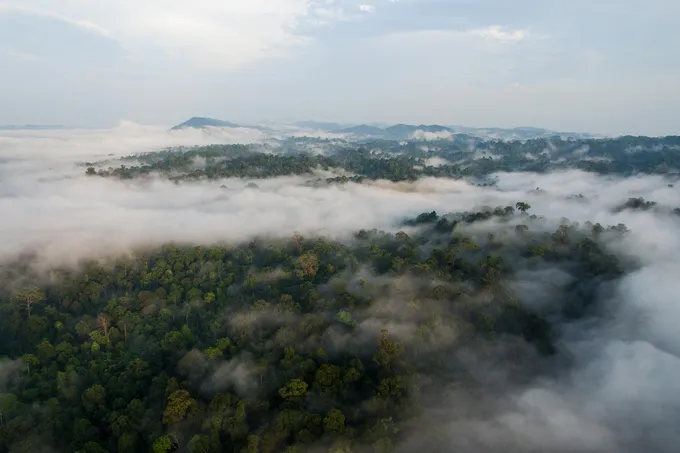
© Neil Ever Osborne / WWF-US
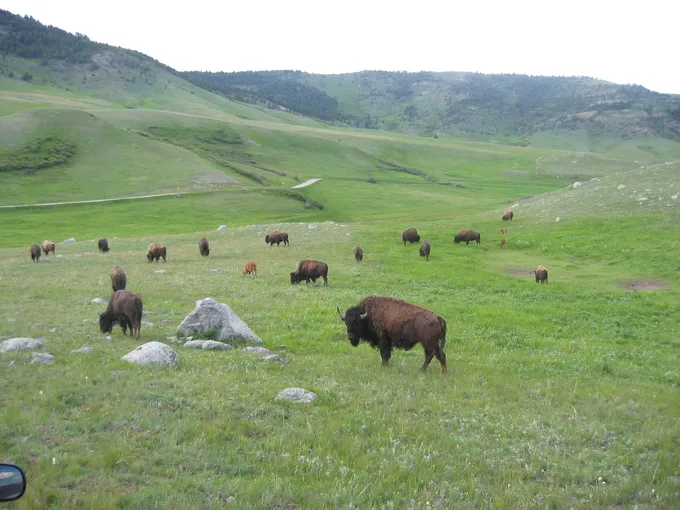
© WWF-US / Tom Lalley
Building the sustainable economy
The first 100+ FLAG targets help build corporate leadership
Since the release of the Science Based Targets initiative’s Forest, Land and Agriculture (FLAG) Guidance and FLAG Target-Setting Tool, companies have moved quickly. A new WWF report, The First 100+ FLAG Targets: Forests, Land and Agriculture Under the Science Based Targets initiative, began as a review of the first 100 FLAG targets—but that milestone has already been surpassed by the nearly 400 targets currently set, reflecting the growing recognition of the land sector’s importance for corporate climate leadership. Published in April, the report documents what land sector mitigation levers companies mention in their transition plans and public reporting, underscoring how integral businesses consider land sector mitigation to their climate strategies.
Private sector steps up for forests
Released in June, the first Forests Forward Impact Report demonstrates how 26 companies around the globe—including many from the US—are advancing responsible sourcing, improving forest management, and financing landscape conservation projects to benefit 10 million acres of forest. It features key stats, case studies, and other examples of forest-positive action. Linda Walker joined WWF’s Nature Breaking podcast in June to highlight the report, and Kerry Cesareo authored a blog post in WWF’s Sustainability Works.
Hundreds of companies set new environmental targets
The Science Based Targets initiative, of which WWF is a founding partner and current board member, continued its rapid growth, with more than 11,900 companies participating globally. WWF remains a central driver of this work across international markets, with significant support in Asia. More than 360 leading food and agriculture businesses set new targets, driving action on deforestation, regenerative agriculture, and improved forest management. Additionally, WWF helped establish the Science-Based Targets initiative as an independent organization. Corporate engagement through WWF’s Climate Business Network also grew, with three new members added this year, bringing the total to 23 companies. The new members include Booking Holdings, Cisco Systems, and CVS Pharmacy.
Enhancing the traceability of beef and leather across supply chains
WWF, Better Food Future, and the Tapestry Foundation, together with Wholechain, Rever Consulting, and FAI Farms are creating the Global Traceability Framework for Beef & Leather, a harmonized, interoperable traceability data standard to support credible verification of deforestation and conversion-free (DCF) supply chains, ensuring compliance and driving market trust. Beef production is the leading driver of tropical deforestation, and leather is directly linked to deforestation through shared sourcing, making traceability of cattle to their farm of origin essential for meeting global DCF goals and regulations like the EU Deforestation Regulation. The absence of standardized practices creates data silos, reducing transparency and making it difficult for brands and regulators to verify sustainability claims, such as deforestation-free origins, carbon footprints, and ethical labor practices. Establishing a standard traceability framework for beef and leather will address these challenges, fostering greater trust, streamlining regulatory compliance, and strengthening the credibility of sustainability claims across global supply chains.
Transitioning ‘The Next California’ project to local partners
The Next California, a project of the Markets Institute at WWF that has investigated the feasibility of growing specialty crops that are normally raised in California in the Mid-Mississippi Delta region, completed its pilot phase and has transitioned its management to two local partners, AgLaunch and the Center for Mississippi Food Systems. As the backbone leaders of the project going forward, AgLaunch and the Mississippi Center will work with local farmers and entities like Delta Harvest, which doubled its production to 1,500 acres of specialty rice in 2025 over the previous year. The thinking behind the project is that severe weather, fires, and other climate difficulties in California threaten the production of fruits, vegetables, and nuts that are grown there. By transitioning some of those crops to eastern Arkansas, western Tennessee, and northwest Mississippi, farmers there can reap the benefits of products that are worth more than the traditional row commodities that dominate agriculture in the Delta. The four farmers growing through Delta Harvest earned average revenues of $1,250 per acre from specialty crops and $100 per acre in profits in 2024, compared with losses suffered by most commodity row-crop producers. Two major food companies have signed contracts with local farmers for their specialty harvests, and WWF will continue to work to drive buyer interest and bring whole-crop processing to the region.
Aquaculture investments could create 22 million jobs by 2050, WWF report finds
WWF and the World Bank combined to produce Harnessing the Waters: A Trillion-Dollar Investment Opportunity in Sustainable Aquaculture, which recognizes that aquaculture presents the largest potential sustainable food investment opportunity over the next 25 years, creating up to 22 million new jobs and driving $1.5 trillion in investment opportunity by 2050. With global seafood demand rising and wild fisheries stretched to their limits, aquaculture has become essential to food security, economic growth, and sustainability, and is now responsible for nearly 60 percent of global seafood production. Aquaculture also has the lowest carbon footprint and lowest greenhouse gas emissions of all animal protein production sectors. The report, two years in the making, establishes sustainable aquaculture as a pillar of global food systems and showcases financing models for aquaculture expansion and investment risks and opportunities.
Tackling one of the most challenging drivers of climate change
The Renewable Thermal Collaborative (RTC), co-founded by WWF, is the only global buyer-led coalition dedicated to reducing emissions from industrial heat—one of the most challenging and often overlooked sources of climate impact. With more than 130 energy buyers and solution providers representing nearly $6.5 trillion in market capitalization, RTC brings together companies from diverse sectors, including automotive, food and beverage, pharmaceuticals, consumer goods, healthcare, and technology. In October, RTC hosted its largest-ever global Summit, drawing over 340 participants. Through expanding its practitioner network, educating policymakers, and developing practical tools and case studies, RTC is making clean heat procurement easier while aligning market and policy signals. These efforts are creating significant economic opportunities—generating jobs, improving energy reliability and security, and positioning U.S. manufacturers to compete globally with modern, efficient operations.
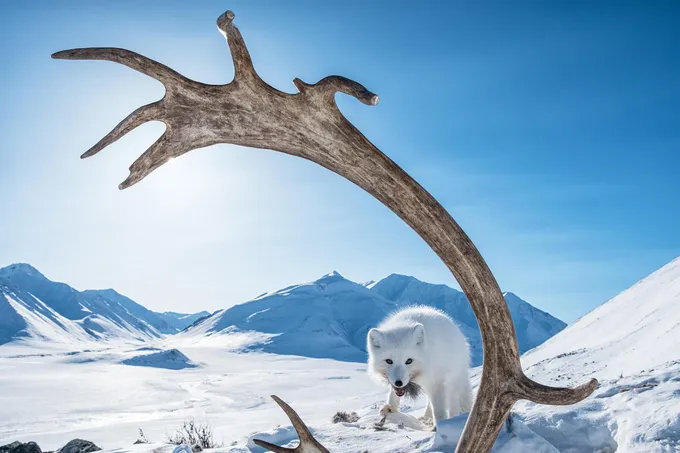
© Peter Mather
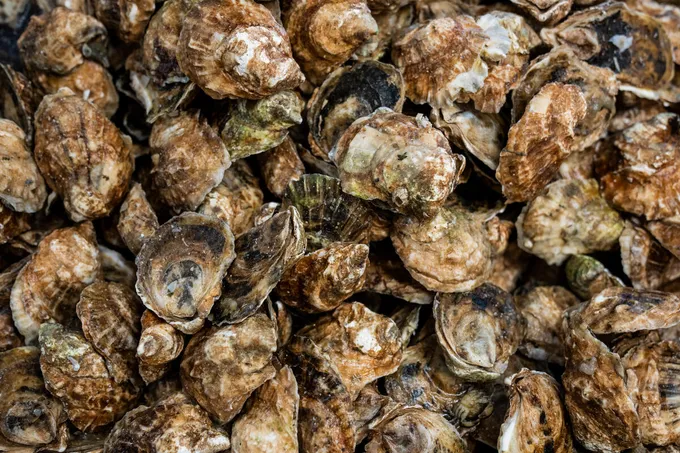
© Joe Buglewicz / WWF-US
Conservation leadership made for the future
Supporting conservation leaders and science capacity
WWF’s Russell E. Train Education for Nature Program reached a milestone this year, awarding a record 70 fellowships to conservation scientists and practitioners across 23 countries. For over 30 years, EFN has invested more than $30 million into nurturing the next generation of conservation leaders, supporting over 3,700 individual and 600 institutions across more than 60 countries. From the black-and-white ruffed lemurs in Madagascar to human-wildlife conflict in Nepal’s Trans-Himalayan region, and the ecological integrity of river systems crucial for small-scale fisheries in Bolivia, these initiatives exemplify a dedication to enhancing conservation science, education, and leadership on a local, regional, and global scale.
Restoring the natural flow of the Rio Grande
WWF is committed to restoring the Rio Grande’s natural flow, ensuring that the ecosystems and communities that rely on it continue to thrive. In collaboration with water managers and users from source to sea, WWF is conducting and publishing comprehensive environmental flow assessments, and co-leading local water management working groups. This year in New Mexico, WWF surveyed farmers to better understand agricultural water use and then promote water-resilient farming practices. Throughout the river, WWF is supporting restoration projects to protect community water access and revive keystone populations like beavers, cutthroat trout, and silvery minnows. Collectively, these projects will restore 160 acres of riparian habitats and wetlands and 65 miles of the river while supporting biodiversity across the basin.
More states adopt policies to reduce plastic pollution
Following advocacy by WWF, Maryland and Washington became the latest states to enact Extended Producer Responsibility (EPR) laws that shift the cost of managing plastic and other packaging waste away from taxpayers and instead to companies that create the waste in the first place. They now join five other states, including California, Colorado, Maine, Minnesota, and Oregon, that have also adopted EPR laws to reduce environmental pollution by incentivizing the use of products that are reusable, recyclable, or compostable.
Senate passes bill to protect Alaska Native artists' cultural heritage
The Senate, by unanimous consent, passed the Alaska’s Right to Ivory Sales and Tradition (ARTIST) Act, which would exempt authentic Alaskan Native handicrafts created with walrus ivory from state-level “ivory” bans that went into effect a decade ago. This would protect the rights of Alaska Native Peoples to create and sell artwork and handicrafts that are made from sustainably sourced marine mammal products. WWF worked with the Eskimo Walrus Commission and congressional offices to ensure the legislation meets economic and conservation needs.
A groundbreaking new initiative for community-led conservation in the Amazon
The government of Brazil, Brazilian communities, WWF, and a broad coalition of partners launched ARPA Comunidades, a new Project Finance for Permanence (PFP) initiative for the Amazon and the communities who safeguard it. ARPA Comunidades builds on two decades of impact through the Amazon Region Protected Areas (ARPA) program—the world’s largest tropical forest conservation initiative—by cementing community leadership and sustainable community livelihoods as essential for long-term conservation success. The program will reduce deforestation pressures in 60 sustainable-use protected areas that span 58.6 million acres—an area twice the size of Ohio—and add another 7.4 million acres in new protected areas, while benefiting more than 130,000 people. ARPA Comunidades marks the sixth PFP initiative supported by Enduring Earth, which has worked with local leadership to durably finance and conserve 518 million acres of lands and waters in Brazil, Canada, Colombia, and Mongolia since its launch in 2021, securing more than $1.7 billion in sustainable finance for nature and people.
Pandemic agreement includes spillover drivers like deforestation
WWF joined partners in the Preventing Pandemics at the Source coalition to successfully advocate for the inclusion of the drivers of disease spillover—like deforestation, forest fragmentation, and high-risk trade in wildlife—within the World Health Organization’s (WHO) Pandemic Agreement. After more than three years of negotiation, WHO member states adopted the legally binding agreement on May 20. This treaty is the first of its kind to call for primary prevention of zoonotic diseases through a unifying approach to balance and optimize the health of people, animals, and ecosystems like our treasured forest landscapes.
Historic launch of Tropical Forest Forever Facility is a gamechanger for nature and climate
In the lead-up to COP30, Brazil and partners launched the Tropical Forest Forever Facility—a multibillion-dollar effort to reward countries for keeping forests standing. This innovative initiative also channels funding directly to Indigenous Peoples and local communities, the true stewards of our forests.
Integrating nature in infrastructure planning
Under the Sustainable Infrastructure Program in Asia project, we achieved a major milestone in 2025 by ensuring maps of priority areas that support nature-based solutions for climate resilient infrastructure and communities are now integrated into the national geoportals of Indonesia and the Philippines—platforms used by many of the line ministries for infrastructure planning. This means areas critical for conservation and restoration, which strengthen climate resilience, will now be considered at the earliest stage of the infrastructure lifecycle—a transformative shift upstream. In the Philippines, this progress is reinforced by a historic first: The National Mapping and Resource Information Authority is signing a data-sharing agreement with a nongovernmental organization, opening doors for collaboration that embeds nature into national planning. By mainstreaming nature's climate resilience benefits into infrastructure decisions, SIPA is helping governments safeguard ecosystems that protect communities from floods, secure water, and reduce disaster risks.

© Adriano Gambarini / WWF Living Amazon Initiative
How you can help
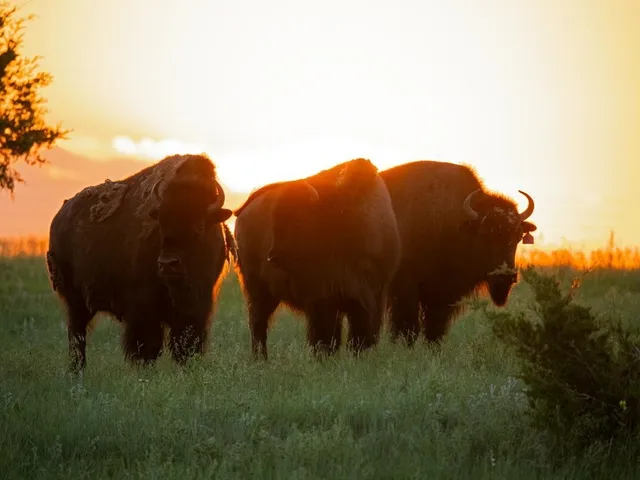
© WWF-US/Clay Bolt
Support Tribes restore buffalo to the Great Plains
The Indian Buffalo Management Act would strengthen support for Tribal Nations who are working to bring buffalo back from the brink of extinction.