Managing water flows along the Rio Grande
How people are making this iconic river healthier and more resilient
By
-
Laura Paskus

© Day's Edge / WWF-US
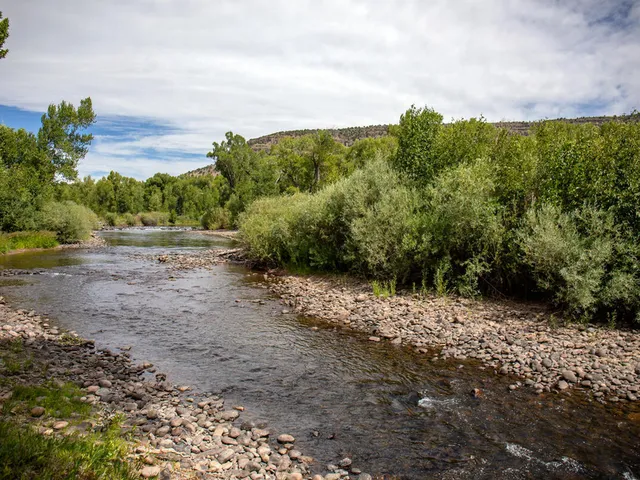
The Rio Grande begins simply enough, as snowmelt in Colorado’s San Juan Mountains. Slipping and crashing downstream, the mainstem’s flows are supplemented by tributaries, and together, these waters nurture forests, fish, and wildlife. They also carve landscapes and broaden out valleys, creating habitat for humans who plant orchards and crops, excavate mines, and build cities and factories and landfills—and who always demand more and more from rivers.
Beginning in the 1880s, humans built progressively larger diversions, dams, and reservoirs in the Rio Grande Basin, leaving less water for ecosystems, wildlife, and rivers themselves. By the 1990s, the impacts of climate change were already becoming obvious. And today, declining snowpack and increasing dryness have contributed to significant streamflow reductions in the Rio Grande Basin—with even more dire forecasts for the future.
While water rights for humans are carefully allocated and quantified, and oftentimes, litigated, the Rio Grande itself has no instream water rights—or, rights to its own waters. That means people can use every last drop, to the point of wholly drying the riverbed.
“Dry rivers are not good for anyone or anything,” says Paul Tashjian, Director of Freshwater Conservation at Audubon New Mexico, who dispels the myth that environmental flows—the flow of water that keeps streams healthy—hinder economic development.
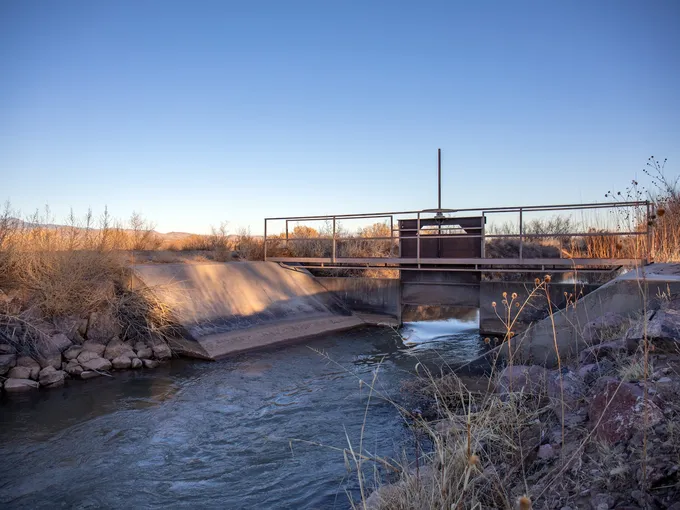
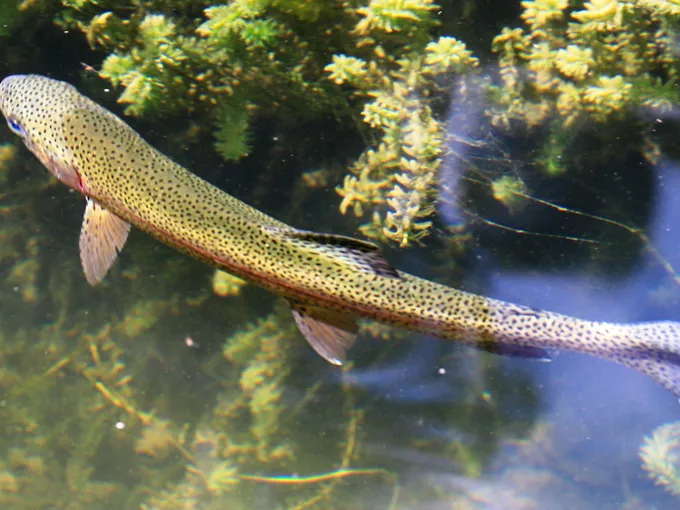
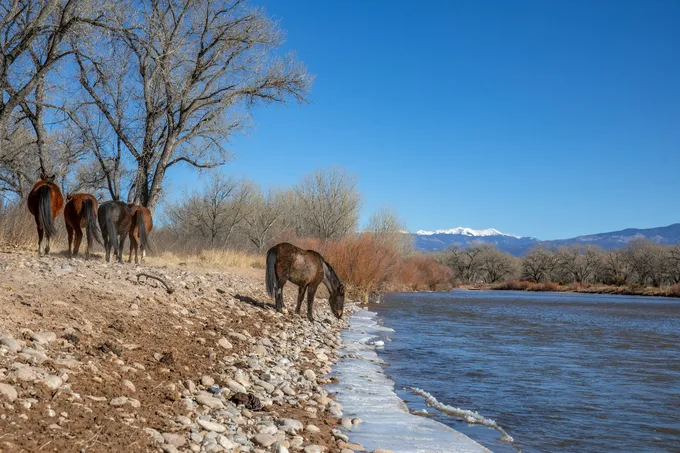
Drying riverbeds strand and kill fish; harm insect, bird, and wildlife populations; and chip away at the resilience of the adjacent cottonwood forest, or bosque. When the river is dry, water managers have a harder time delivering stored water downstream. And no one can claim that a dry riverbed benefits thirsty cities or desperate farmers.
© WWF-US/Diana Cervantes
© Kari Schnellmann
From stats to strategy
Now, WWF and its partners, including Audubon New Mexico, have quantified flows and losses within six stretches of the Upper Rio Grande, and its tributary the Rio Chama. From these measurements, they developed seasonal environmental flow recommendations.
“Each reach has its own unique values, indicator species, problems, and opportunities or solutions that can be implemented,” says Enrique Prunes, WWF US’s Rio Grande Manager and Freshwater Lead Specialist.
Along with the recommendations, partners also identified unique conservation and management strategies to close the gap between how much water each stretch of the river needs versus how much it receives when the system is regulated solely for human use.
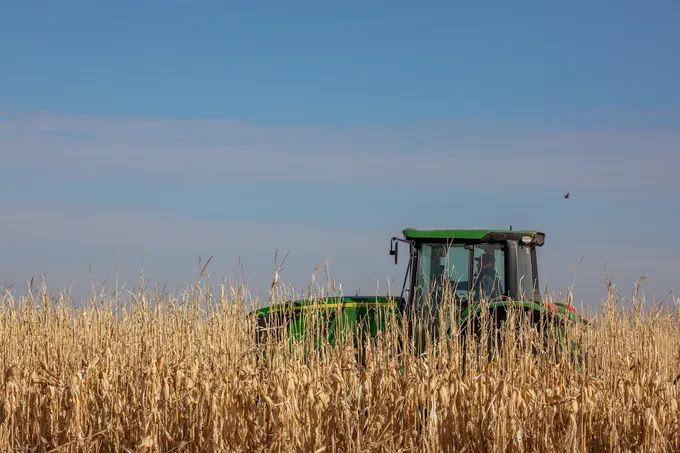
In some places, direct on-the-ground work makes the most sense, explains Prunes. This can include habitat restoration, removal of invasive trees like salt cedar and Russian olive, and lowering banks to reconnect the river with its floodplain. In other places, conservation measures will have the greatest impact, especially within the agricultural sector, which uses most of the Rio Grande’s waters. These measures can include water leasing and voluntary fallowing programs as well as on-farm and irrigation delivery efficiency.
In addition, water managers can optimize available water supplies. In some cases, Prunes says, water isn’t “missing” from the watershed. For example, New Mexico typically releases water it owes to Texas at the end of the calendar year, in winter. Sending that water hundreds of miles downstream in the spring would make more sense ecologically, mimicking the natural flow of the river and providing a spring pulse for endangered fish and other species. “That’s not ‘new’ water,” says Prunes. “It’s just managing water that’s already in the system.”
And the system needs help — now.
© WWF-US/Diana Cervantes
© WWF-US/Diana Cervantes
The ‘Forgotten Reach’
Already, the Rio Grande’s channel is perpetually dry in the so-called “Forgotten Reach,” a 200-mile stretch from the border cities of El Paso and Ciudad Juárez to the confluence of the Rio Conchos. In southern New Mexico, the Rio Grande only flows during irrigation season when water managers use the channel to deliver water from Elephant Butte and Caballo reservoirs to farmers and cities downstream. And the desiccation is expanding higher into the watershed: Since the mid-1990s, long stretches of the Middle Rio Grande run empty between late spring and early fall—and in the summer of 2022, a stretch even dried through the City of Albuquerque.
The Rio Grande will never be the river it was 200 years ago, says Prunes. Even if human demands slowed and the river flowed free of its dams and reservoirs—if it were allowed to meander again with oxbows and a wide, undeveloped floodplain—the climate is warmer and drier than it was in the past.
But, he says, the Rio Grande of the future can be healthier and more resilient than it is now. All rivers have intrinsic value on their own, and they also shape the world around them.
“The Rio Grande is an indicator of how the rest of the system is doing,” he says. When people demand too much water, the river suffers first. But then, farmers take a hit. After that, cities experience water shortages. That’s why it so important that rivers like the Rio Grande have protected flows: “Having a functioning, resilient river is an indication that the other parts of the system—agriculture, cities—are going to do well in the future.”
© WWF-US/Diana Cervantes
Keep our water flowing
Freshwater systems across the US are increasingly in crisis. Ask your members of Congress to invest in programs that restore rivers, lakes, wetlands, and watersheds.