© WWF-US/Diana Cervantes
Rio Grande • Rio Bravo
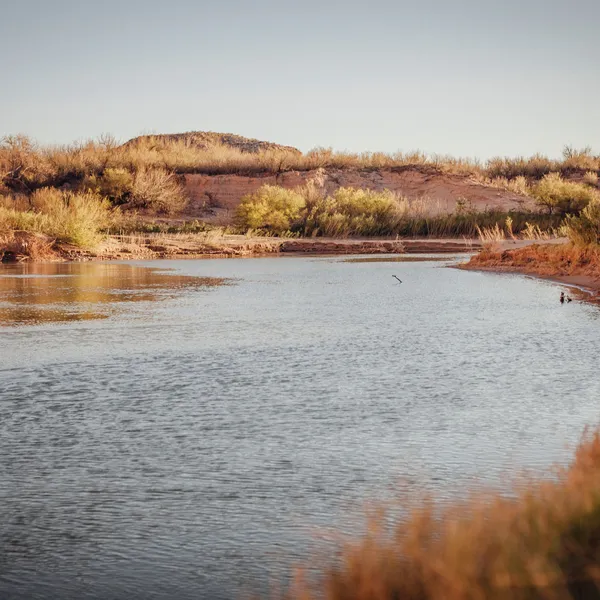
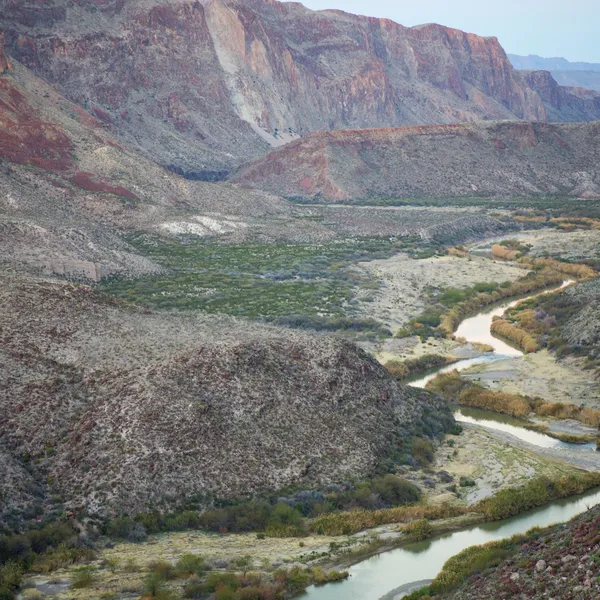
The Rio Grande—or the Rio Bravo in Mexico—is a vital water source that sustains millions of people and diverse wildlife across the southwestern US and northern Mexico. WWF is dedicated to restoring the river’s natural flow to ensure that communities and ecosystems thrive together.
The Rio Grande, known as the Rio Bravo in Mexico, flows 1,900 miles from southern Colorado through New Mexico and along the Texas-Mexico border, serving as a lifeline for 16 million people and a plethora of wildlife. However, this vital waterway is recognized as one of the 10 most endangered rivers globally and faces significant challenges due to climate change and extensive agricultural irrigation, leading to severe flow depletion. WWF is dedicated to restoring the river’s natural flow to ensure that communities and ecosystems thrive together. Our efforts use science to understand the water needs of the river and implement sustainable practices that balance human and ecological needs. By restoring degraded ecosystems, optimizing available water, and promoting water-resilient farming, we aim to secure a healthier future for the Rio Grande-Rio Bravo and all who depend on it.
Wildlife of the Rio Grande-Rio Bravo
The river is critical habitat for everything from freshwater fish to migrating birds
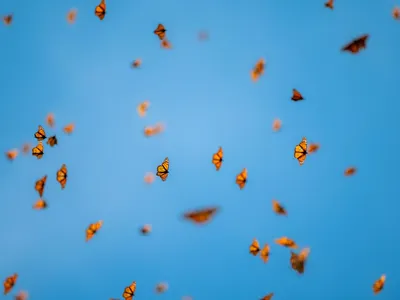
Monarch butterflies
The Rio Grande-Rio Bravo's wetlands and wildflowers provide food and shelter for monarch butterflies on their migration to Mexico.
© WWF-US / McDonald Mirabile
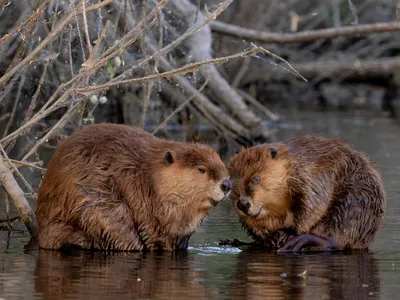
Beavers
Beavers are known for their feats of engineering, building dams that help to create vital wetland habitats for healthy ecosystems. Their handiwork also supports water conservation by retaining water in rivers, mitigating floods, ensuring a steady water supply, and serving as a natural water filtration system.
© Bruce D Taubert
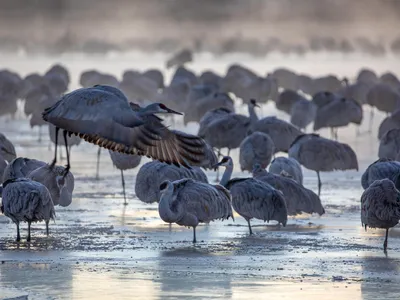
Sandhill cranes
Among a litany of migratory birds, sandhill cranes rely on the Rio Grande as a rare oasis to rest, feed, and regain strength before continuing their journeys.
© WWF-US/Diana Cervantes
People and communities of the Rio Grande-Rio Bravo
The region supports diverse communities whose livelihoods intertwine with the river

© Day's Edge / WWF-US
The Rio Grande-Rio Bravo is home to diverse communities, including 22 Native nations in New Mexico and four Indigenous groups in Chihuahua, Mexico, whose lives and livelihoods are deeply intertwined with the river. WWF collaborates with local farmers and ranchers, understanding that their expertise is vital for effective conservation. By fostering strong partnerships, we empower communities to participate actively in restoration efforts, recognizing that the river's vitality is essential not only for wildlife but also for human well-being.
Rio Grande-Rio Bravo under threat
The river and its tributaries face the impacts of a changing climate, among other issues

© Daniel A. Leifheit, Moment RF, Getty Images
Climate change
Rising temperatures and altered precipitation patterns exacerbate water scarcity, leading to further ecological degradation along the river.
Habitat degradation
Riparian invasive species, such as salt cedar trees, consume large quantities of water and outcompete native flora. Grassland conversion and wildfires also disrupt the delicate balance of the river's ecosystem.
Water overuse
The demands of agriculture consume 85% of the river’s water, resulting in critical shortages that threaten both species and local communities.
WWF is taking action to protect the Rio Grande-Rio Bravo
We work alongside partners to help protect the river and its tributaries

© Day's Edge
Restoring degraded ecosystems
Our efforts include scaling up nature-based solutions in collaboration with local partners throughout the whole river basin. To enhance natural water filtration and retention, WWF partners are working to restore beaver populations and build beaver dam analogues. These efforts mimic the benefits of natural beaver activity, which can help slow water release, allowing it to accumulate and percolate into the ground, improving overall river health. Partners are also removing invasive species like salt cedar trees from the river corridor, which consume vast amounts of water. By replacing these non-natives with local vegetation, we aim to reduce water consumption and foster habitats for native wildlife. We are currently conducting riparian restoration projects for water management in the Middle Rio Grande, New Mexico, and are developing criteria for restoration projects in the Big Bend-Rio Bravo region along the Texas-Mexico border.
Optimizing available water
WWF is working with the US and Mexican governments to make sure the water in the Rio Grande basin is used wisely. By studying future water conditions and bringing communities together, we’re coming up with plans to help make the entire Rio Grande basin better prepared for the future.
In Chihuahua, Mexico, WWF is also planning to build special dams along the Rio Conchos (a major river that flows into the Rio Grande). These dams will filter water so they can refill underground water supplies, called aquifers. This extra water will help farmers and nearby communities. By working together across borders, WWF hopes to keep the river healthy and ensure a steady water supply for everyone who relies on it.
Water-resilient farming
To address the significant agricultural water consumption in the basin, we are assessing the water use of major crops and optimizing crop mixes to alleviate water scarcity. Our initiatives include conducting surveys among farmers in the Middle Rio Grande Conservancy District to gauge their perceptions and support for water conservation programs. Additionally, we analyze the supply chains of the region’s most water-intensive crops, such as alfalfa, pecan, and cotton, emphasizing the connections to key industries like dairy, cattle, textiles, and pecans, to promote sustainable practices throughout the agricultural sector.
Science-driven strategy
WWF is ensuring that robust science guides all our initiatives in the Rio Grande-Rio Bravo basin. We’ve published The Upper Rio Grande Basin Health Report Card, which evaluates over 30 indicators of social, environmental, and economic health and employs future scenario modeling to inform sustainable management decisions. We’re developing a basin-wide environmental flow assessment and water budget to better include the environment in water management and planning efforts. This innovative model, combined with extensive eDNA analyses to assess biodiversity, will help set corporate water targets and advocate for prioritizing the basin in public and private funding.

© Day's Edge
You can help protect the Rio Grande-Rio Bravo
Support water conservation initiatives
Advocate for sustainable water management practices in your community.
Participate in restoration projects
Volunteer with our community partner organizations, Rio Grande Return, Trout Unlimited, Defenders of Wildlife, Rio Grande Joint Venture, and WWF Mexico to help restore habitats along the Rio Grande-Rio Bravo.

© Kari Schnellmann
© WWF-US/Diana Cervantes
Keep our water flowing
Freshwater systems across the US are increasingly in crisis. Ask your members of Congress to invest in programs that restore rivers, lakes, wetlands, and watersheds.