Protecting the Amazon's critical wildlife areas
A new study identifies priority areas for jaguars and migratory freshwater species, including river dolphins
By
-
Natalie Shahbol

© Zig Koch / WWF
The Amazon river basin encompasses more than one-third of the South American continent, and the river itself runs more than 6,400 km—nearly half of the Earth’s diameter— from the Andes Mountains in Peru to its mouth at the Atlantic Ocean in Brazil. Most of the basin contains the world’s largest rainforest, and parts of the river basin exist within the borders of eight countries, making any governance, protection, or conservation efforts a unique challenge.
The basin is home to a dazzling array of biodiversity, including an estimated 10 percent of the species on Earth, including more than 1,400 species of mammals, 1,500 species of birds, and about 2,500 species of fish. Two of the keystone species of the Amazon are the jaguar and the river dolphin, both of which have vast ranges of movement, across many country borders, that require keeping their habitats connected and protected to ensure they can thrive.

© MarlonDag / WWF-Peru
A new study highlights where those areas are most aligned between jaguars (an effective umbrella species for terrestrial biodiversity) and freshwater animals, demonstrating where Amazon protection efforts would provide amplified conservation benefits. By mapping where freshwater animals travel long distance and where jaguars are most abundant, scientists can help pinpoint where new protected areas should be established and where development, such as dam or road construction, should be avoided, and reduce the impacts of climate change, pollution, overharvesting and illegal killing. Protecting these places not only supports jaguars and freshwater animals included in the study, but also help safeguard many others in the region.
Why we need to protect critical areas
The Amazon basin sits within the borders of eight separate countries, with their own leadership, policies, and abilities to patrol and protect their resources. Similarly, while the overall region is sparsely populated by humans, it has increasingly become an area of agricultural land use and forestry, which sees clearing and removal of vast amounts of trees, even at times in areas where governments have declared development illegal. While deforestation rates have been falling the past several years, the period from August 2023 to July 2024 still saw more than 8,000 sq km of forest loss in the Amazon, an area the size of more than 700,000 soccer fields.

© Shutterstock / COULANGES / WWF-Sweden
Connectivity ensures ecological resilience and supports the livelihoods of more than 30 million people across the basin. Flagship species like jaguars and dolphins regulate prey populations and transport nutrients, maintaining forest and river health. Their movement underpins processes essential to climate adaptation, water security, and biodiversity. Migratory fish generate over US$430 million annually, while nature-based tourism centered around these species contributes millions more. When critical habitats are severed, populations become isolated and vulnerable, jeopardizing species survival and ecosystem services. Preserving habitats and their connectivity protects biodiversity, economic opportunity, and the Amazon’s global climate-regulating role. The construction of dams is disrupting critical migration routes and altering water, sediment and nutrient flow regimes, with direct and expected impacts on fish and other freshwater species’ abundance and survival.
How to use this research
WWF seeks to change how water and forests are managed and protected around the world. We encourage states and nations relying on the Amazon to better coordinate their shared freshwater and forest resources, and design policies that allow for multi-national cooperation and governance to protect the full length and breadth of these critical areas. Additionally, as the world turns its attention to the upcoming UN Climate Change conference in Belem, Brazil in November 2025, there is a critical opportunity to highlight the importance of large-scale conservation and protection mechanisms for the Amazon river basin, and galvanize support and resources to ensure the protection of these lands and waters so flagship species like the jaguar and river dolphin can survive and thrive.
Natalie Shahbol is WWF's Senior Program Officer for Resilient Rivers, Freshwater

© Zig Koch / WWF
How you can help
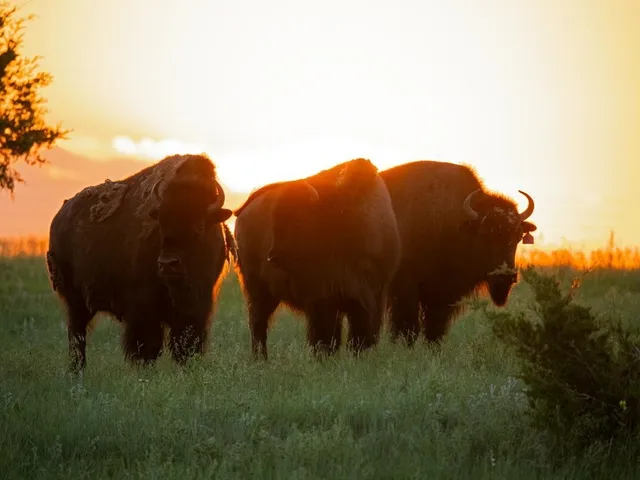
© WWF-US/Clay Bolt
Support Tribes restore buffalo to the Great Plains
The Indian Buffalo Management Act would strengthen support for Tribal Nations who are working to bring buffalo back from the brink of extinction.