The Rio Grande can't keep up with our demand
New research shows exactly how human activity is draining the river
By
-
Madalen Howard

© WWF-US/Diana Cervantes
The Rio Grande-Rio Bravo basin shared by the United States and Mexico is experiencing a severe water crisis demanding urgent attention. A new study co-authored by WWF’s Enrique Prunes maps where all the water is going and urges investment in solutions.
Researchers found that more than half of all water consumed in the basin (52%) is unsustainable, pulled from reservoirs, aquifers, and the river itself faster than nature can replace it. The result is a river that runs dry for long stretches, shrinking farmland, collapsing aquifers, and growing conflict between states and nations that share its waters.
For the 15 million people who rely on the Rio Grande-Bravo for drinking water, and the thousands of farmers who depend on it for their livelihoods, this is not a distant threat. It is today’s reality.
This is not a world farmers chose or benefit from. Texas farmers lost $500 million in 2024 due to irrigation shortages. Colorado has lost 18% of farmland, New Mexico 36%, and the Pecos sub-basin in New Mexico and Texas 49% since 2000. The trend of reducing farmland because of insolvency will continue with projected future water shortages.
We need to invest in farmers, not burden them. Opportunities lie in the minds of growers. We must continue to learn from them, invest in solutions that make sense, and think outside the box. Irrigated farming consumes 87% of the water used directly in the basin. When surface water runs dry, farmers are forced to use reservoirs and groundwater faster than these sources can be naturally replenished. Between 2000-2024, New Mexico’s reservoirs lost 71% of their stored water, and the loss of groundwater has been 25 times greater. Meanwhile, the Rio Grande delivers just 15% of its natural flow to the Gulf of Mexico, compared to its historical norm.

© WWF-US/Diana Cervantes
WWF is working with partners to pilot solutions that respect both farmers’ needs and the river’s survival. In Colorado, WWF is supporting Trout Unlimited’s “winter flows program”, a first-of-its-kind water leasing initiative. Traditionally, irrigation canals in farming regions are shut off after harvest season, leaving riverbeds dry during winter months. This timing is critical for trout, which need flowing water to spawn and thrive. Through the program, farmers voluntarily lease a portion of their unused water to keep water flowing through rivers during winter. They receive compensation for their participation, while fish, wildlife, and downstream communities reap the rewards of healthier ecosystems. The efforts of Trout Unlimited and San Luis Valley farmers have restored critical winter flows in stretches of the Rio Grande.
WWF is also collaborating with the University of New Mexico, the Middle Rio Grande Conservation District and New Mexico Office of the State Engineer to conduct a Farmers Survey in the Middle Rio Grande to understand farmers needs and shape more effective strategies for averting shortages and help balance agricultural needs with the growing challenges of water scarcity.
These programs offer a glimpse of what’s possible when farmers are part of the solution.

© WWF-US/Diana Cervantes
However, solutions are not one size fits all. We need to work with growers, industries, policymakers, and communities to find the right prescription and invest strategically. River restoration using nature-based solutions, available water optimization through improved infrastructure, community led conservation programs, and large-scale investment to support changes in farming can all be utilized to balance the water budget.
The new basin-wide research underscores just how urgent investment in solutions is needed. Programs aimed at saving water in cities and farms haven’t been scaled enough to keep the rivers and groundwater in the Rio Grande Basin healthy, let alone restore them. Without action, the region faces escalating farm losses, worsening water shortages, and heightened conflict. But there is hope. Cities like Albuquerque and El Paso have shown that it is possible to grow while using less water, cutting consumption even as their populations expand.
Importantly, programs like the winter flows initiative show that helping the river also means helping farmers. They demonstrate how cooperation and creative water management can unlock shared wins: healthier fish populations, stronger rural economies, more reliable water for people, and a living river that still reaches the sea.
The Rio Grande-Rio Bravo is at a crossroads. If we continue with business as usual, the river will keep shrinking, aquifers will keep collapsing, and communities will face mounting costs. But if farmers, governments, and conservationists work together, the basin can chart a different course, one that secures water for people and nature alike.
As the study makes clear, agriculture is at the heart of the solution. With the right support, farmers will be the heroes of the Rio Grande’s recovery.
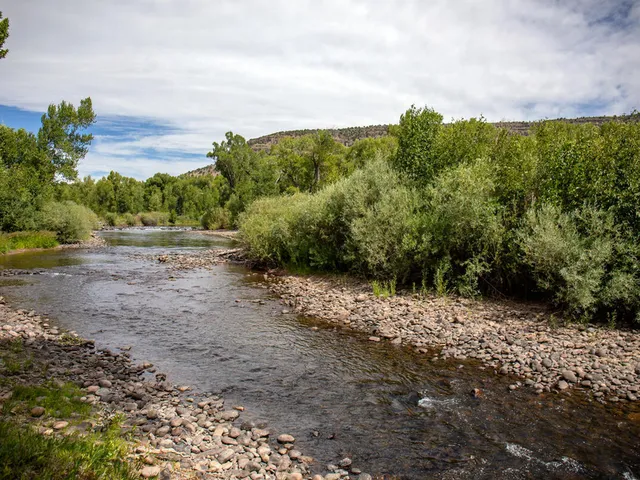
© WWF-US/Diana Cervantes
Keep our water flowing
Freshwater systems across the US are increasingly in crisis. Ask your members of Congress to invest in programs that restore rivers, lakes, wetlands, and watersheds.
How you can help
© WWF-US/Clay Bolt
Support Tribes restore buffalo to the Great Plains
The Indian Buffalo Management Act would strengthen support for Tribal Nations who are working to bring buffalo back from the brink of extinction.