The latest trends in the illegal wildlife trade
By
-
Whitney Kent
-
and Callie Cho

© Don Getty
The illegal wildlife trade is constantly changing. Today, it is quickly expanding into new regions and targeting different species in response to demand. Underregulated digital marketplaces and social media platforms have allowed traffickers to reach global buyers, accelerating the complexity and scale of this illicit trade. At the same time, policy makers and conservation organizations worldwide are working together to stop wildlife trafficking, protecting the survival of endangered species and ensuring that wildlife trade is safe, sustainable, and legal. The Convention on International Trade in Endangered Species (CITES) is one of the most important policy frameworks we work through to regulate the international wildlife trade.
So, what are some of the species we’re seeing in the illegal wildlife trade today? And what are we doing to combat it?
Songbirds
An increase in recent songbird trafficking busts in the US is revealing an emerging North American market and increased demand for native species, despite being protected under US federal laws. Bird species like indigo and painted buntings, blue and rose-breasted grosbeaks, and house finches remain targets of illegal trade. And these birds aren’t just being trafficked abroad—they’re also feeding into the domestic black market trade, mainly to be sold as pets or used in bird singing competitions.

© Sarah Pietrkiewicz
Freshwater turtles
Turtles and tortoises aren’t new to the illegal wildlife trade. In fact, more than half of the world’s species now face extinction due to habitat loss and the illegal wildlife trade. The crisis is particularly severe in Asia, where turtles are also used in traditional medicine, the pet trade, and for food. However, there has recently been a notable increase in turtle trafficking to Asia from the US and Mexico, where endemic species like the Vallarta mud turtle and box, spotted, and wood turtles are in demand as pets and for breeding.

© Crawford Allan
Succulents and cycads
In South Africa’s Cape provinces, rare, drought-resistant succulents and cycads have been the primary targets of poaching, mainly for ornamental use. Recently, the trade has expanded and diversified to encompass ornamental plants more broadly. Geophytes—plants that store energy in bulbs or underground organs—like the critically endangered Clivia mirabilis, a drylands-adapted lily, as well as dwarf succulents, are becoming increasingly targeted. Namibia, particularly areas in the northwest and southwest part of the country, is also facing a surge in the illegal trade of endemic succulent species. While the demand is primarily within US, Asian, and European markets, online platforms and social media have enabled the international trade to thrive.

© CapeNature
Primates
A surge in primate smuggling from Mexico into the US to fuel the pet trade is one of the latest wildlife trends being driven by social media. Spider and howler monkeys are some of the most frequently trafficked species despite being protected under the Convention on International Trade in Endangered Species (CITES). This cruel trade often involves the mothers being killed before the babies are smuggled in cramped and unsanitary conditions. Not only does this endanger primates, but also increases the risk of zoonotic disease transmission and public safety threats as primates can become dangerous and unpredictable as they mature.

© Lorraine Logan
Freshwater eels
Freshwater eels (genus Anguilla) have long been staple ingredients in many cuisines, including your maki sushi roll. As such, the illegal trade of eels has become a multi-billion-dollar industry. The illegal export of juvenile eels or ‘glass eels’, to stock eel aquaculture farms abroad has skyrocketed in recent years, fueled by consumer demand in Asian markets. Most of the illegal trade has been in European eel, but there are also cases of illegal fishing and export of American eel for Asian aquaculture farms.

© Neil Aldridge / naturepl.com / WWF
Sharks and rays
One-third of sharks and rays are threatened with extinction, a major driver being the illegal wildlife trade. Many shark species—including the whale shark (Rhincodon typus)—are caught and sold for their fins, gill plates, and meat, despite international trade regulations. In the US, a recent study found that shark meat is mislabeled or vaguely marked 93% of the time, with endangered shark species being sold under false names.

© Pete Oxford / naturepl.com / WWF
Bright spots
But there is also hope.
While some trends in wildlife trafficking may be disheartening, there are bright spots: strengthened legislation and conservation action are making a real difference, helping many species populations recover.
Recovery of saiga antelope
The incredible recovery of saiga, an antelope species native to Russia, Mongolia, Kazakhstan and Uzbekistan, offers a positive story for successful legislation against illegal wildlife trade. Saiga were once poached to near extinction in the 1990s, driven by demand for their horn to use in traditional medicine. Strengthened regulations around the saiga horn trade and dedicated conservation initiatives have enabled significant recovery.

© WWF-Mongolia
Strengthened legislation for captive wildlife
The signing of the United States Big Cat Public Safety Act into law at the end of 2022 was a big win for captive big cats. Private ownership and breeding of big cats is no longer allowed under the new law, and facilities will have to acquire a federal permit before acquiring a big cat. This allows greater oversight and will help improve public safety, welfare of captive big cats, and ensure their parts and products don’t end up in the illegal wildlife trade.
Earlier this year, a similar piece of legislation was reintroduced to ban the private ownership of non-human primates like chimpanzees, monkeys, and lemurs. If passed, the Captive Primate Safety Act will help protect primates from exploitation from the pet trade and reduce the risk of injury or disease transmission to humans.

© Indiana Department of Natural Resources
Rhino dehorning to stop poaching
Dehorning is a temporary yet effective solution to dramatically reduce rhino poaching, especially when used alongside traditional antipoaching measures. It involves safely removing most of the rhino horn from live rhinos leaving only a small stub, a painless procedure that does not hurt the animal. The method has significantly reduced annual poaching rates across several important African rhino range states including Namibia, South Africa, and Zimbabwe.

© MEFT
How WWF is taking action
WWF works across the supply chain, from source to market, local to global, to combat illegal wildlife trade at all levels. On the ground, we’re using technology to stop poaching and improve law enforcement capacity. With the illegal wildlife trade increasingly moving online, we’re collaborating with online platforms and social media companies to stop the illegal wildlife trade online through the Coalition to End Wildlife Trafficking Online. Targeted behavior change campaigns in Asia and the US, and resources like our Responsible Pet Guide, an online tool for those considering owning an exotic pet, are some of the ways we are reducing the demand for illegal wildlife and their parts and products.
The trends in traded wildlife species are constantly evolving as new challenges and threats emerge. As the illegal wildlife trade continues to threaten our world’s most vulnerable species, it’s critical that conservation strategies, policies, and regulations adjust to these changing dynamics to safeguard the survival of these species.
Sources
Turtles
Massive turtle bust in Mexico reveals ‘Wild West’ of wildlife trafficking - Mongabay
Songbirds
Six Indicted in Texas for Trafficking Songbirds - US Fish and Wildlife Service
Primates
Global online trade in primates for pets - ScienceDirect
Succulants and cycads
Freshwater eels
What does a CITES listing mean for the American Eel? - Oceans North
Quantifying the Illegal Trade in European glass eels - Sustainable Eel Group
Early warning of an upsurge in international trade in the American Eel - ScienceDirect
Sharks and rays
Governments Face Last Chance To Prevent Extinction Of Whale Sharks, Manta Rays, And More - Forbes
International trade regulations take a limited bite out of the shark fin trade - Science Advances
Sale of critically endangered sharks in the United States - Frontiers
CoP20 Proposals - CITES Sharks and Rays
Bright spots
Saiga Antelope: A Conservation Success Story - US Fish and Wildlife Service
How you can help
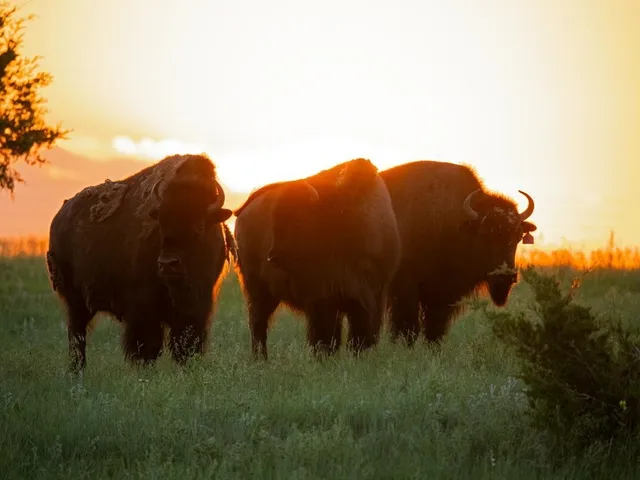
© WWF-US/Clay Bolt
Support Tribes restore buffalo to the Great Plains
The Indian Buffalo Management Act would strengthen support for Tribal Nations who are working to bring buffalo back from the brink of extinction.