Wildlife Crime Technology Project
Supported by Google.org, WWF’s project develops cutting-edge tech to fight global wildlife crime.
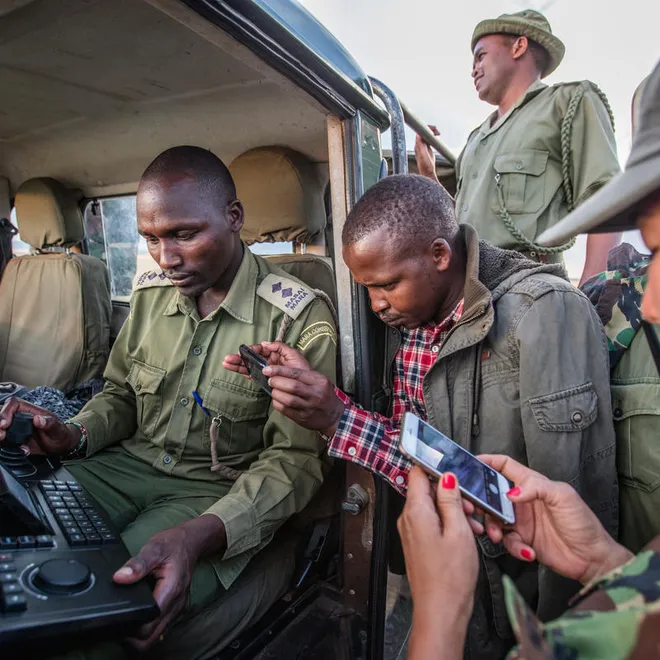
© WWF-US / James Morgan
Poaching is the leading threat to many of Africa’s most iconic species. Over the last decade, an estimated $23 billion global black market for illegal wildlife products like rhino horn and elephant ivory has emerged, accelerating the problem into a race against extinction. The 2019 outbreak of COVID-19 has increased the urgency to protect Africa’s wildlife as anti-poaching programs and resources have diminished due to lack of vital tourist funds. These new challenges mean that innovative conservation methods are even more important as poaching pressures increase and ranger resources decrease.
Thanks to a $5 million Impact Award from Google.org to “use technology to stop poaching” in 2012, WWF has been able to launch the Wildlife Crime Technology Project (WCTP), the vehicle through which WWF and our partners have explored and implemented technological solutions to many aspects of wildlife crime. As a result of the advances made through the WCTP, WWF has become a recognized leader in the use of technology for anti-poaching and wildlife conservation, leading to improved and new technologies.
Timeline
© WWF
2014
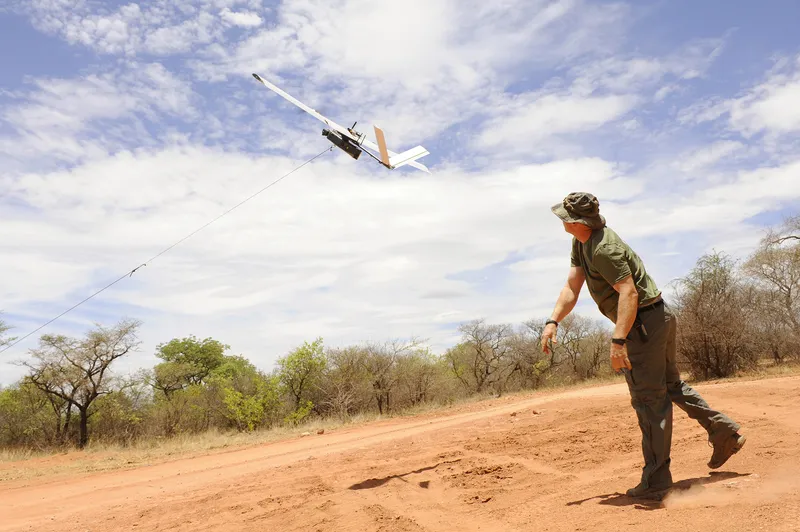
WWF and Falcon UAV begin training Namibian Park Wardens; licensed tech transferred to the MET.
© WWF-US / Eric Kruszewski
2015
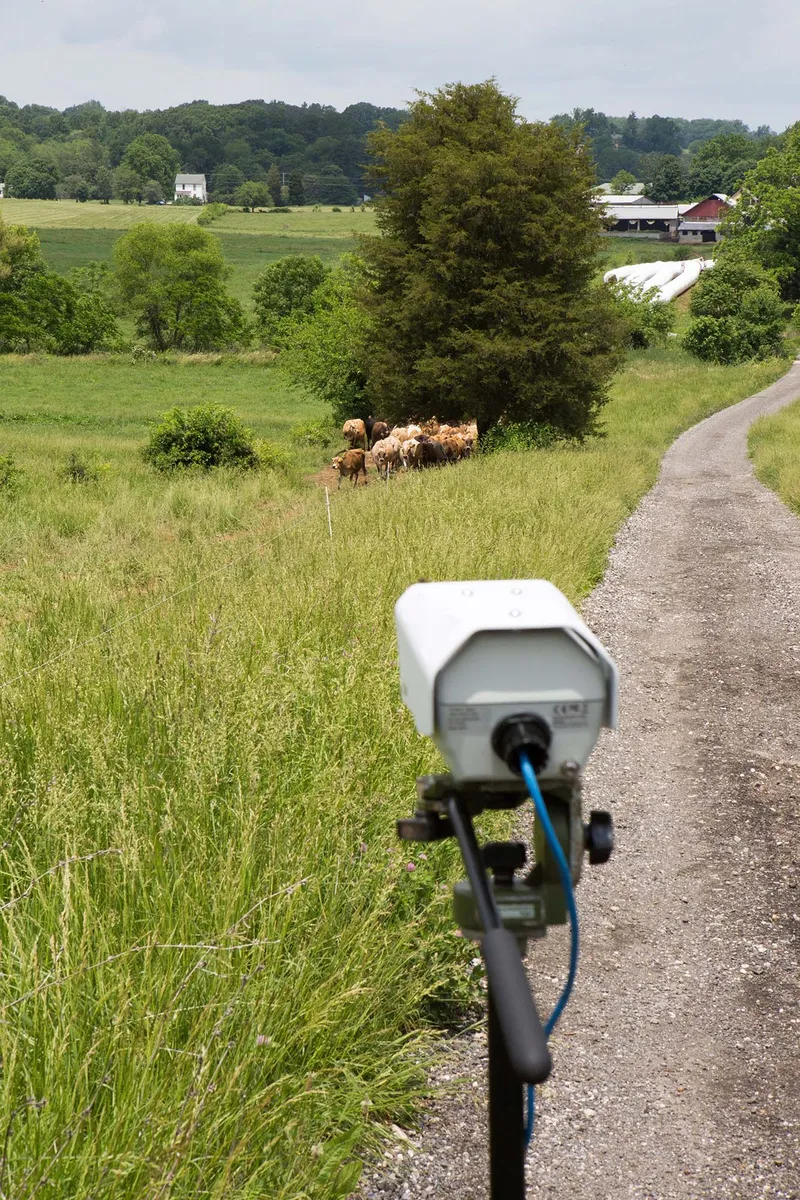
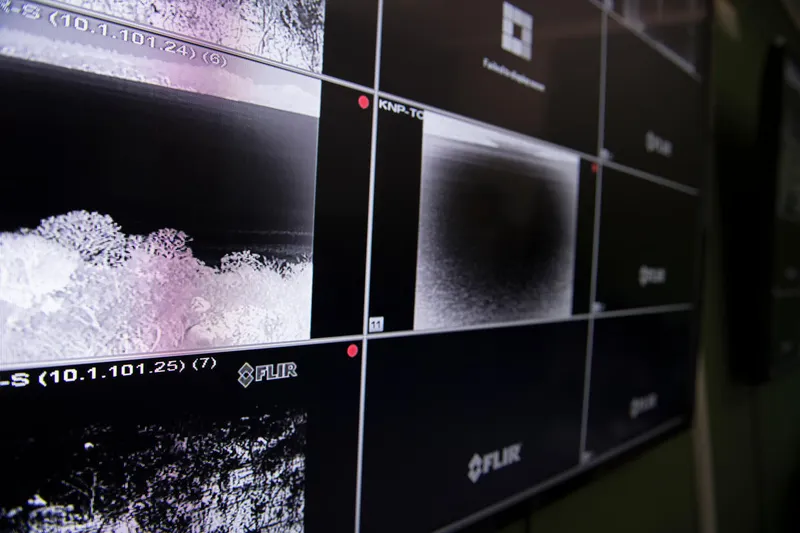
WWF tests FLIR thermal cameras and machine learning for automated poacher alerts.
WWF launches WILDLABS.NET with United for Wildlife to connect global conservation tech users and developers.
WWF tests virtual radar-fences in South Africa.
© WWF-US / James Morgan
2016
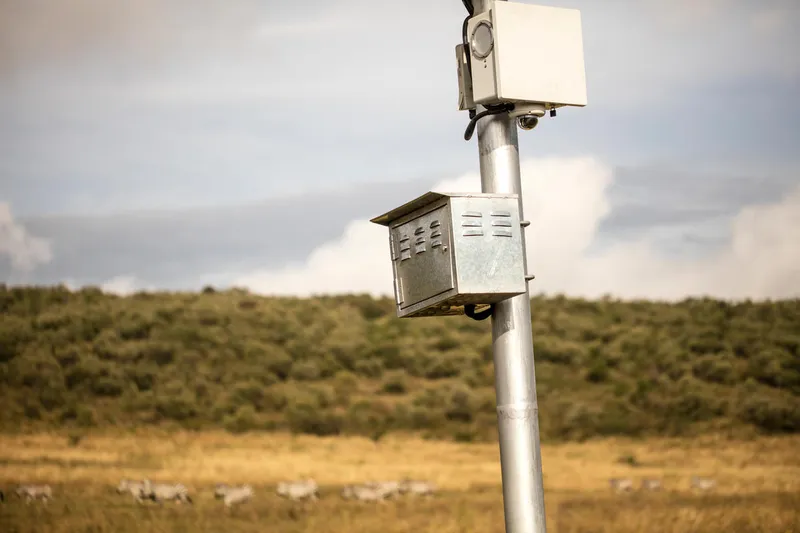
FLIR thermal cameras installed in Lake Nakuru National Park, aiding rhino conservation and helping arrest a poacher within a week.
Mobile FLIR camera system tested at Masai Mara National Reserve, leading to multiple poacher arrests.
First UAV flight in Liwonde National Park prevents elephant crop raids.
WWF evaluates UAVs with video detection systems in Malawi and Zimbabwe.
© WWF-US/James Morgan
2017
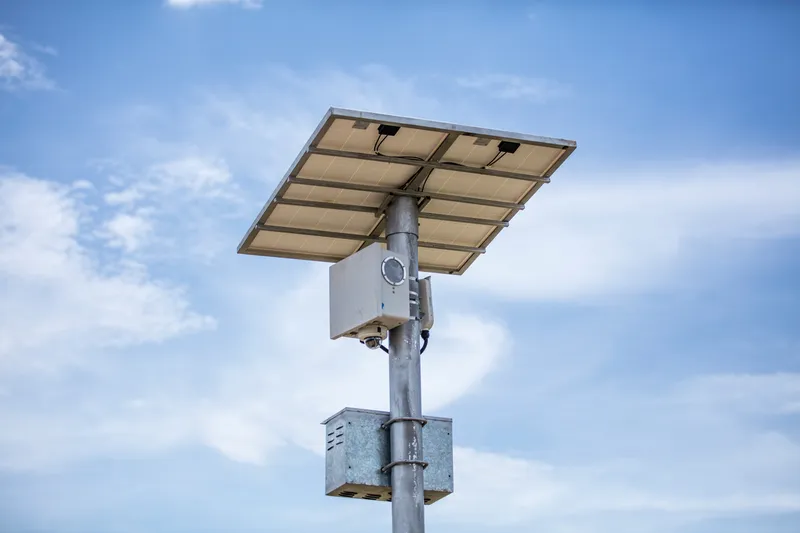
WWF engineers a security system using thermal cameras at Lake Itezhi-Tezhi near Kafue National Park.
© TUI DE ROY/NATUREPL.COM
2019
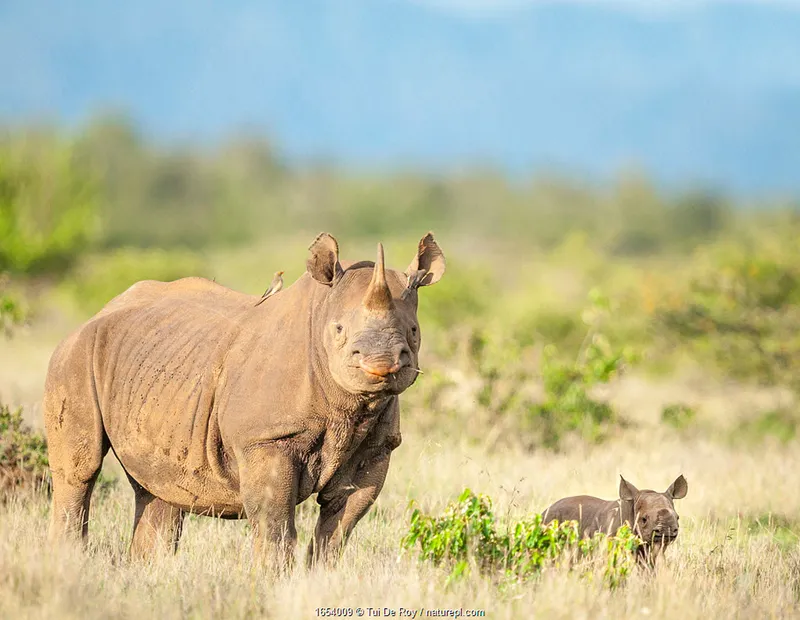
WWF and FLIR launch Kifaru Rising to eliminate rhino poaching in Kenya by 2022.
WWF begins IoT network engineering at Ol Pejeta Conservancy to support future conservation tech innovations.
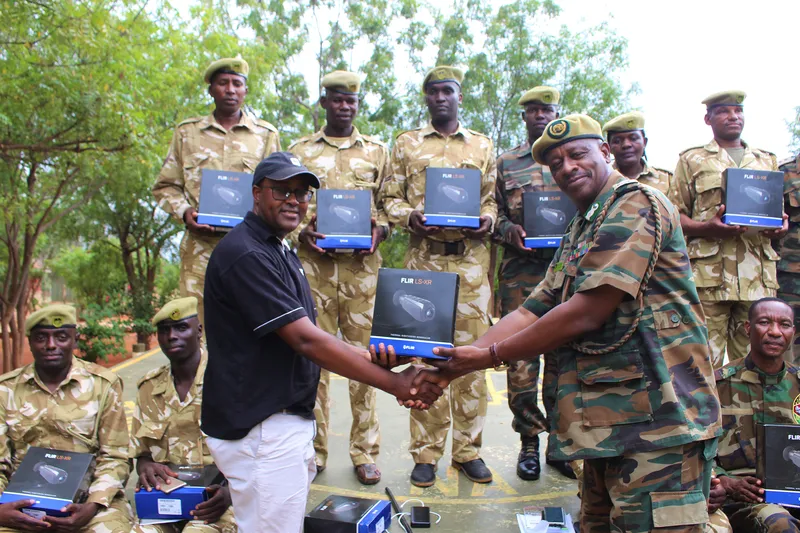
Installation of infrastructure, power supply, thermal cameras, and networking equipment at Kafue National Park.
© WWF
January 2020
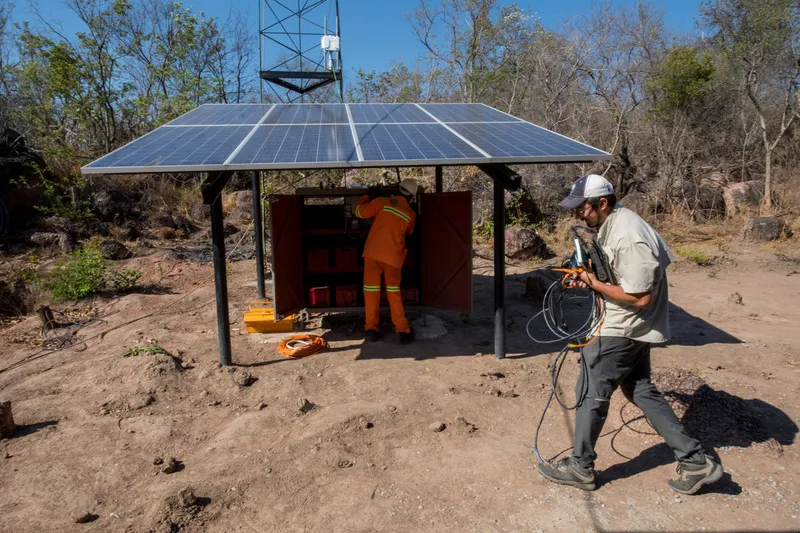
FLIR donates over 100 handheld thermal monocles to KWS for critical rhino reserves.
© Neil Ever Osborne / WWF-US
Early 2020
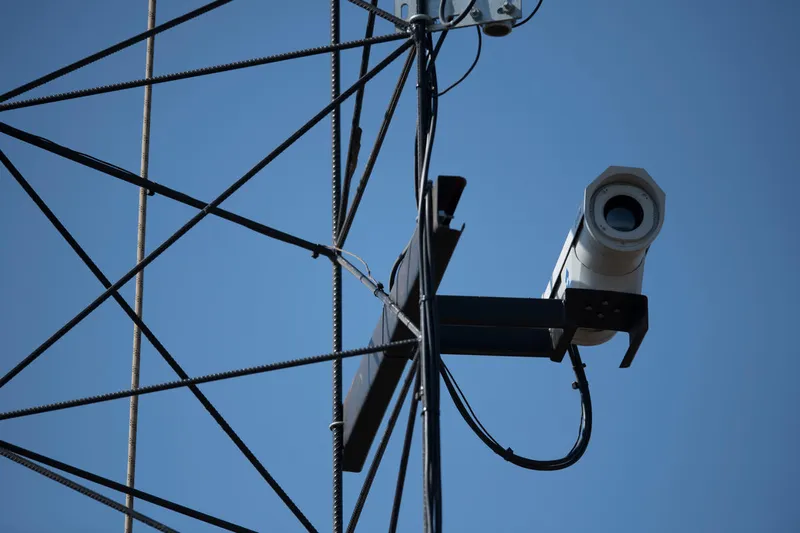
Infrastructure installed at Ol Pejeta Conservancy to support Cisco IoT networking and FLIR cameras.
© Neil Ever Osborne / WWF-US
February 2020
First FLIR cameras installed at Ol Pejeta Conservancy as part of Kifaru Rising partnership.
Lake Itezhi Tezhi FLIR monitoring project launched at Kafue NP with ranger training.
© WWF
March 2020-October 2021
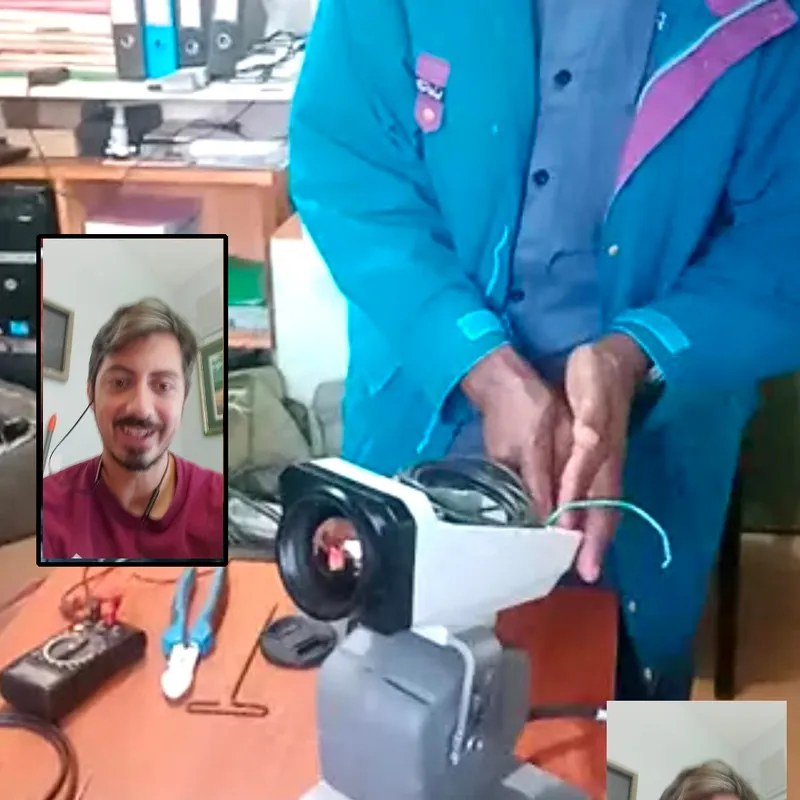
Remote training for staff at Kafue and Ol Pejeta to set up machine learning on FLIR cameras.
© Neil Ever Osborne / WWF-US
June 2021
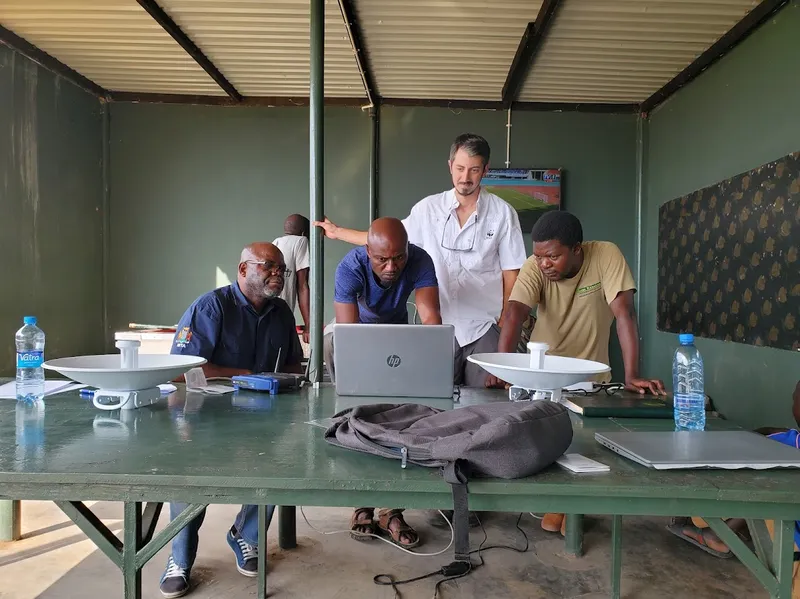
FLIR camera installation completed at Ol Pejeta Conservancy with AI applications.
© WWF / Eric Becker
November 2021
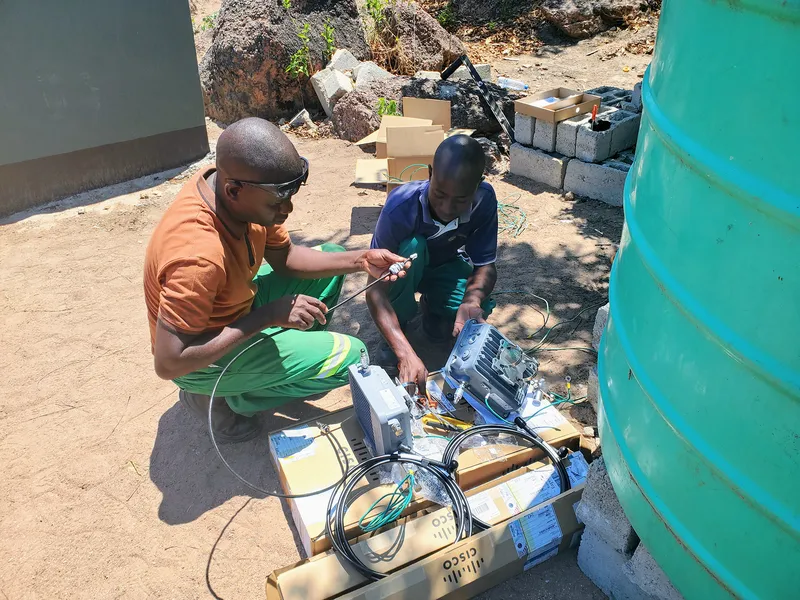
LoRaWAN telecommunication technology provided by Cisco installed in areas adjacent to Kafue National Park.
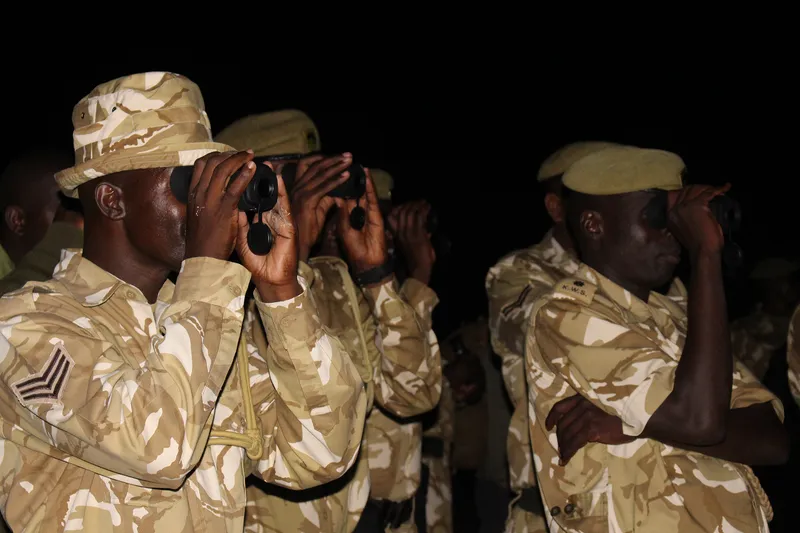
© WWF-Kenya
January 2022
Donation of 100 FLIR Scion handheld thermal monocles to KWS.
© WWF-US / James Morgan
August 2023
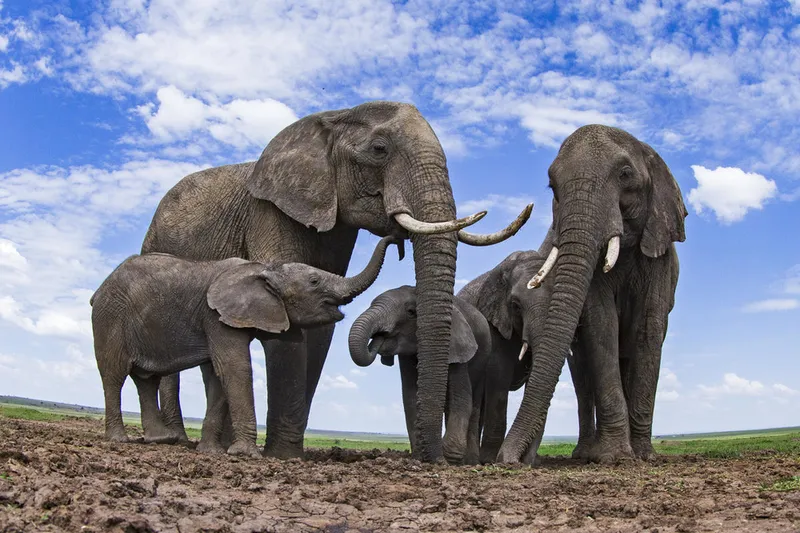
FLIR thermal cameras installed on perimeter fence line of Solio Game Reserve, Kenya. Pilot ElephantEdge LoRa collars at Kafue National Park, Zambia for elephant tracking.
© naturepl.com / Anup Shah / WWF
September 2024
Handover event of FLIR camera system to Kenya Wildlife Services and Solio Game Reserve.
© WWF / Eric Becker
November 2024
Donation and training of 6 mobile FLIR camera kits to Kenya as part of Kifaru Rising.
Case studies from the field
Thermal cameras in Kenya
Poachers primarily operate at night, sneaking into parks and private reserves under cover of darkness. Some are bushmeat poachers illegally killing wildlife for personal profit, others have sophisticated trafficking operations that are armed and backed by organized crime.

© WWF-US / James Morgan
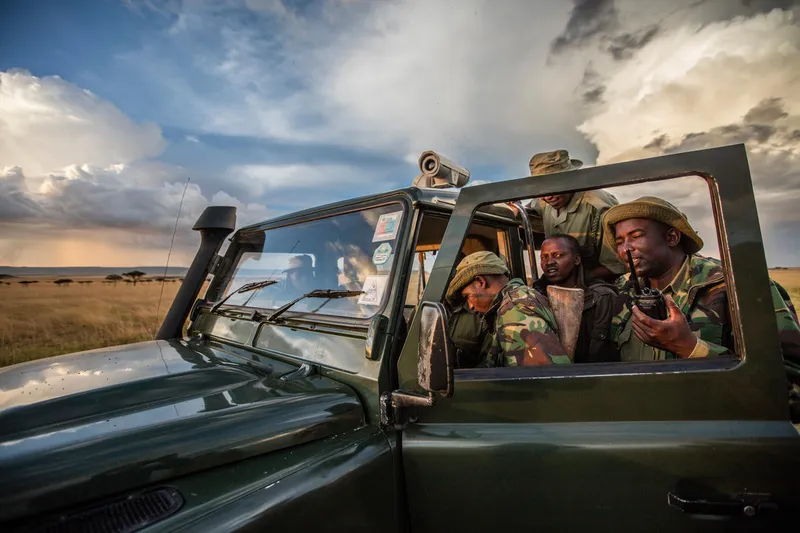
Often equipped with little more than flashlights, government and community rangers have virtually no chance of intercepting them. But what if park rangers could see in the dark? Seeking to find a technology that can help rangers ‘see’ at night, the WCTP identified thermal cameras—made by FLIR —as a viable solution. Initial pilots were conducted in 2015 to 2016 in Kenya at Lake Nakuru National Park and the Masaai Mara National Reserve, and were successful; the technology has completely changed the way rangers operate at night. Since installing the FLIR cameras in 2016, Lake Nakuru has not had any rhinos poached.
In Kenya’s 580-square-mile Maasai Mara National Reserve, long-range thermal cameras mounted on patrol vehicles in combination with FLIR Scout handheld scopes allowed Mara Conservancy rangers to set up mobile outposts where suspected poachers may appear. Since 2016, Mara Conservancy rangers have apprehended hundreds of poachers a year with the help of this technology and a majority of nighttime arrests now involve the use of FLIR technology.
Expanding protection for Kenya's wildlife
The success of the pilots in Lake Nakuru and the Maasai Mara led to Kifaru Rising (in Kiswahili, Kifaru means ‘rhino’), a project launched in January 2019 as the next step in the game changing partnership between WWF and FLIR, with funding support from US Department of State’s Bureau of International Narcotics and Law Enforcement (INL), to eliminate poaching and improve ranger safety in 11 of Kenya’s highest-priority wildlife reserves by 2022. Collectively, these areas contain more than 80% of Kenya’s rhinos—including critically endangered black rhinos. Identified by the Kenya Wildlife Service as highest-risk for poaching, these sites are also home to African elephants and other threatened wildlife.
Over the course of 2019 and early 2020, significant infrastructure, solar power, and Cisco communication and networking equipment were set up to support the installation of long-range thermal FLIR cameras along the perimeter of the park in Ol Pejeta Conservancy, home to the last remaining Northern white rhino population in Africa, and one of the first sites for the Kifaru Rising program.
Ol Pejeta Conservancy
In February 2020, WWF’s technology team visited Ol Pejeta to install the first set of FLIR cameras, initiate the system, and train the conservancy staff in the care and use of the system. Working among the restrictions associated with the COVID-19 outbreak that came shortly thereafter, WWF and our partners continued to move the project forward, configuring FLIR cameras, security software, and servers, and additional networking equipment through numerous Zoom trainings and WhatsApp calls with IT staff from Ol Pejeta, as well as FLIR and Cisco engineers around the world. Since 2017, there have been no incidents of poaching in Ol Pejeta. Conservancy staff have become tech and IT experts in FLIR technology, able to troubleshoot network problems, broken camera equipment, and connectivity issues. Ol Pejeta is now helping to train other rangers on using FLIR in neighboring reserves, like in Solio Game Reserve.
Solio Game Reserve
In August 2023, WWF and Kenya Wildlife Service helped install FLIR thermal cameras system along a section of fence vulnerable to poacher intrusions in Solio Game Reserve. The FLIR thermal cameras provide 24/7 real-time virtual monitoring of the area, mitigating the requirement for continuous foot patrols by rangers. Built-in Artificial Intelligence (AI) on the cameras provide automated alerts of human, wildlife, or vehicle movements in the coverage area. If an intrusion is detected, the system sends an alert, in real-time, to the operator of the camera system, triggering the appropriate response.
Since the system was switched on in late 2023, there have there have been no incidents of poaching in Solio.
In 2024, WWF and KWS helped distribute and install FLIR vehicle mounted cameras in Ol Pejeta and Solio. The cameras have increased the effectiveness of nighttime patrols, in addition to the fence mounted cameras, and the mobility to patrol and catch poachers at night.
The Kifaru Rising project represents the broadest scale deployment of this kind of technology and promises to help rhino populations thrive. FLIR has committed over $3 million worth of thermal camera technology, and other assistance, to the project including a donation of over 100 of their handheld thermal cameras to the Kenya Wildlife Service in January 2020. Following the hand-over, a three-day training was held for 35 senior KWS staff representing most of the Kifaru Rising parks who can then train all the rangers under them. All 11 priority reserves are now using FLIR technology in some form.
Despite the outbreak and travel restrictions associated with COVID-19 in 2020, Kenya achieved their first year of zero rhino poaching in 20 years. In the months and years ahead, WWF and our Kenyan partners believe that the FLIR technology will be more important than ever to improve and expand the parks’ security, and protect wildlife and people. If there are reductions in antipoaching patrols, FLIR will become vital to assist the remaining patrols in securing and protecting the park’s wildlife.
Partnering with Cisco Systems to improve real-time connectivity for a real-time response to poaching
In response to the threat of increased poaching and the challenge that many protected areas in Africa lack adequate communication connectivity for rangers to detect and prevent poaching attacks before they occur, WWF, Cisco Systems, FLIR, Game Rangers International, and the Zambian Department of National Parks and Wildlife (DNPW) formed a collaboration in 2018. This concept—called Connected Conservation Project—is aimed at using innovative advances in communication and surveillance technologies to be applied in tackling this poaching threat, stopping illegal fishing, and minimizing human-wildlife conflict. The ultimate goal of this project is to build the capacity for long-term operation of the modern surveillance and communication infrastructure installed in Zambia’s Kafue National Park ecosystem to improve security for wildlife species targeted by poachers and illegal fishers.
In late 2018, WWF and partners began engineering a first-of-its-kind security system using thermal camera technology at Lake Itezhi-Tezhi on the border of Zambia’s Kafue National Park. Poachers use the lake to cross into the park at night to hunt elephants and other wildlife congregating at the water source, and people often illegally fish after dark. Using thermal cameras, WWF and partners engineered a “virtual fence” across the lake, enabling rangers to monitor the movement of boats into and out of the park’s lake boundary it in ways never before possible. To use this new technology in apprehending poachers in real-time, WWF and partners launched what is likely Africa’s first marine anti-poaching unit. These rangers monitor the lake at night by boat, using FLIR thermal cameras to guide them in the dark, and a newly upgraded communications network that allows them to communicate with each other in real-time when poachers are spotted. With the system now in place, WWF is training rangers and local partners to make the most of this breakthrough technology, and the system continues to prevent the poaching of elephants and other wildlife by identifying and alerting rangers of illegal activity day and night.
This project in Kafue is an example of conservation beginning to leverage the “internet of things”—the network of physical devices that are connected to the internet and each other so they can exchange data. Cisco helped create the communications network that allows these cameras and sensors to function and transmit data to a server at the control room, where it can be processed, analyzed, and presented to the rangers in a unified way. The system is now sending automated alerts to the control room but in time they could go directly to patrols, along with GPS coordinates of the possible illegal activity, adding a layer of transparency to the project and helping to maximize the impact a small force of rangers can have.
More information about the Wildlife Crime Technology Project
© Greg Armfield / WWF-UK
Stop wildlife crime
Pledge to stop wildlife crime and commit to preserving nature's beauty for future generations.