The hidden cost of food waste
Discover how you can help reduce the financial, environmental, and personal impacts of food waste
Food waste is a bigger problem than most people may realize. It impacts our wallets, our communities, and our planet. By learning about the causes and consequences of wasted food, you’re taking the first step toward making a difference. We’re here to equip you with knowledge, tips, and resources to easily reduce food waste in your daily life.
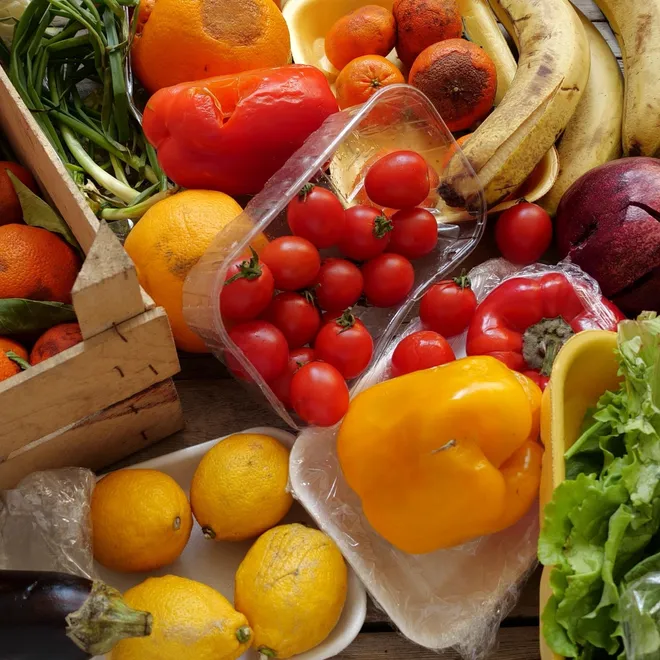
© Shutterstock / Fevziie

Take the first step
Reducing food waste at home is easier than you might think—and even small actions can make a meaningful difference. Sign the pledge and take just one simple step to a more sustainable kitchen.
© Shutterstock
Quick actions you can take now
Before diving into the details, here are simple steps you can take today to cut down on food waste:
- Follow your senses (look, smell, taste)—not date labels—to determine if food is still okay to eat
- Bio-hack your behavior! Move from awareness to action by creating plans for food: “IF I don’t use my broccoli by Wednesday, THEN I’ll add it to a salad, stir fry, or omelet.”
- Freeze food you often throw out, like veggies, fruit, bread, and milk, before they go bad.
- Eat leftovers once a week (or more!) and get creative.
- Use your wilting, browning, or imperfect produce to make smoothies, bread, jams, sauces, or soup stocks. Websites like Big Oven, Supercook, and MyFridgeFood allow you to search for recipes based on ingredients already in your kitchen.
- Create a "use-it-up" shelf in the fridge and pantry where you put foods that may go to waste in a visible place where you won’t forget about them!
- Write a grocery list and stick to it every trip to avoid over-purchasing food.
- Give away more of the food you know you won’t eat in time to your friends, family, and neighbors.
Read the full article below to educate yourself further on what motivates you most to reduce food waste, develop a realistic plan of steps you can take, and then share your tips to help others move from awareness to action.
The scale of the problem
Nearly a third of food in the US goes uneaten, with half of this waste occurring in households. This costs the nation $310 billion annually, with the average household losing about $3,000 each year to wasted food. The environmental toll is equally staggering—food waste accounts for roughly 10% of global greenhouse gas emissions, nearly four times the emissions of global airlines. Producing food that ultimately goes to waste consumes enough water to fill 9 million Olympic-sized swimming pools, generates greenhouse gas emissions equivalent to driving 1 million fully loaded semi-trucks across the country, and uses agricultural land equal in size to California and New York combined.
Where’s the waste?
Food is lost at all levels of the food supply chain, from going unharvested on farms, being rejected by grocery stores for imperfections, spoiling on buffet lines, and shriveling in the fridge. Nearly half of the waste occurs in the home, making household waste a crucial facet to better understand and reduce.
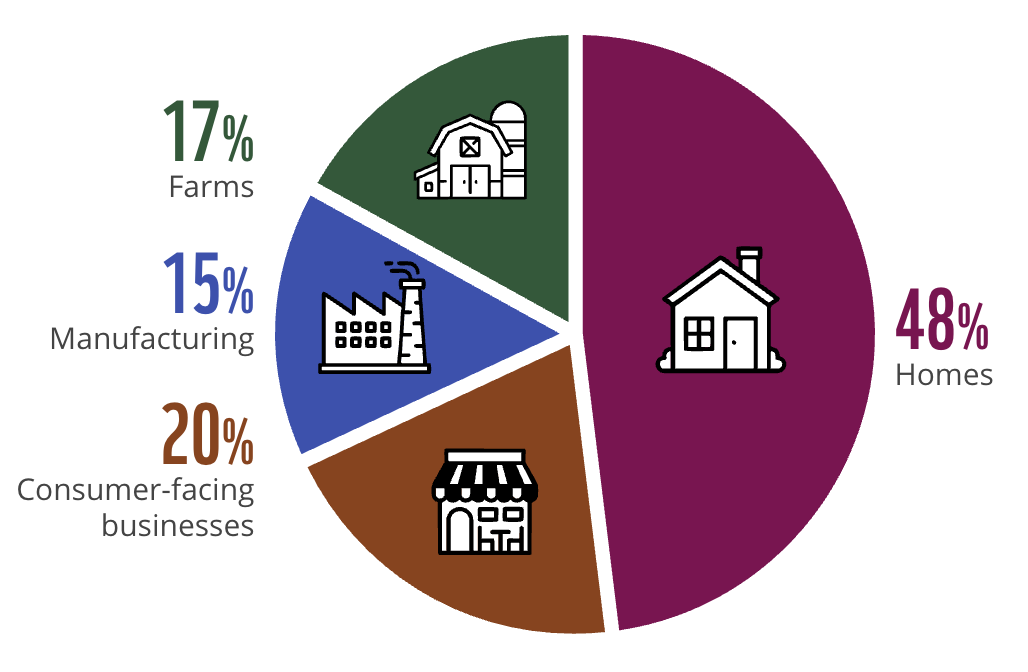
The annual impact of food waste in the United States is like...
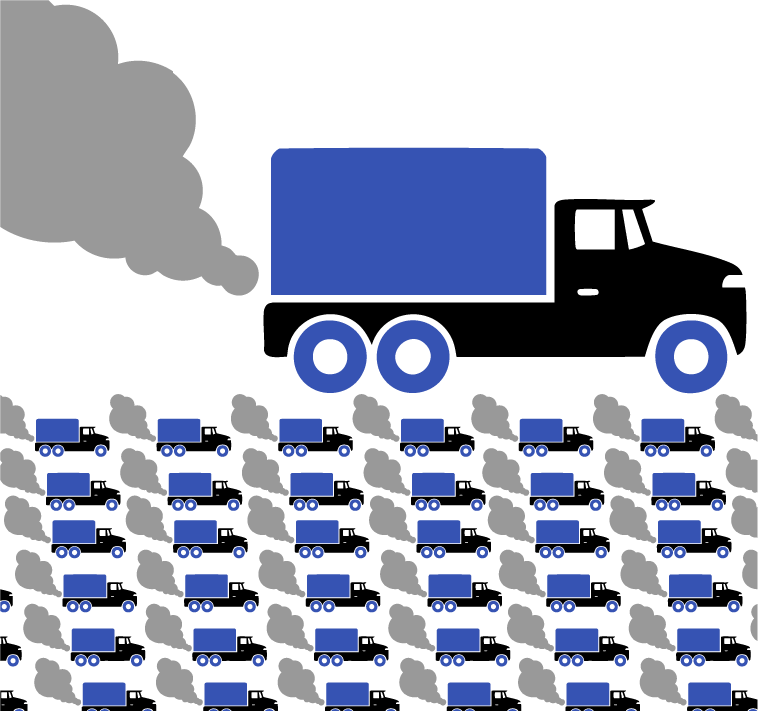
driving one million loaded semi-trucks across the United States
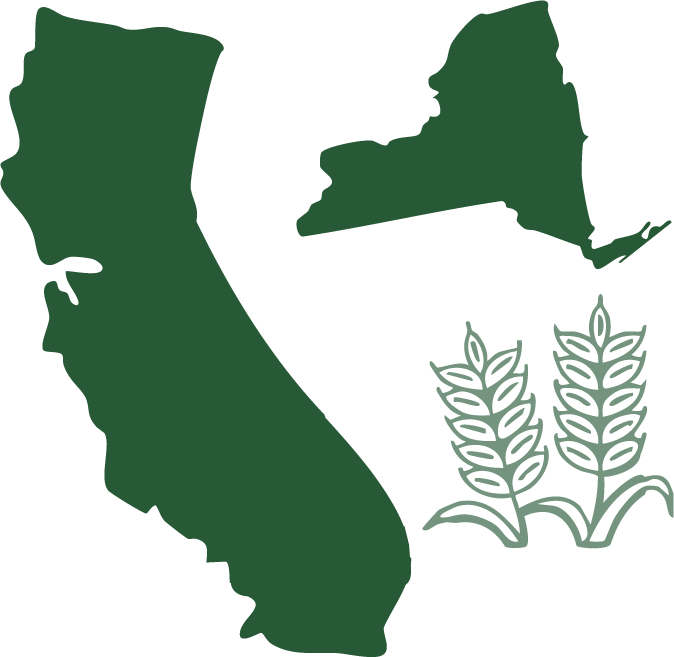
wasting an area of agricultural land large enough to cover California & New York

every household tossing $3,000 into the wind

dumping the water filling 9 million Olympic swimming pools into an empty field
Source: From farm to kitchen: The environmental impacts of U.S. food waste | US EPA. (2022, November 28). US EPA.
How did we get here?
Human behavior: bio-hack your food waste habits
Many of us underestimate our food waste—about 75% of Americans believe they waste less food than the average person, making it harder to see ourselves as part of the problem. A great first step to understanding your habits is to conduct your own food waste audit, which students can use in their schools using WWF’s Food Waste Warrior Audit Toolkit, or individuals can do with a food waste tracking app. By tracking what you throw away, you can identify patterns and make smarter decisions.
In addition to underestimating our role, food waste prevention often takes a back seat to other priorities, even when we feel guilty or recognize the costs. This "attitude-behavior gap" explains why good intentions don’t always translate into action. To close this gap, try simple hacks to align your actions with your values. Use implementation intentions—if-then statements that create a plan, like “IF I don’t use my broccoli by Wednesday, THEN I’ll add it to a salad, stir fry, or omelet.” Find what motivates you most and act on it.
Top food-saving motivators
Percentage of respondents who indicate the issue motivates them “a fair amount” or “a great deal” to reduce their food waste
-
82% saving money
-
76% managing home more efficiently
-
60% feeling guilty when throwing away food
-
44% considering global or national food shortages
-
40% reducing impact on the environment
Date labels: misleading and costly
Date labels like “Best By” and “Use By” are a common source of confusion, leading to unnecessary food waste. A recent study found that 31% of people who discard food based solely on these labels create nearly double the waste as those who report never or rarely throwing away food that has passed its date label.
For most items, these dates indicate quality, not safety. Instead of relying on labels alone, try using your senses—check for changes in smell, texture, or taste to determine if food is still good. By understanding what date labels really mean, you can waste less and make smarter decisions about the food you buy and consume.
Is “best by” the best measure?
Did you know date labels can indicate the safety OR quality of food, and are only federally regulated on infant formula? The language on date labels is unstandardized and misinterpreted by many, resulting in prematurely discarded food. For your safety, follow package date recommendations on high-risk foods such as ready-to-eat deli meats that are typically consumed without being cooked; however, for most food, trust your senses when deciding if something is safe to buy or eat!
- 31% of Americans dispose of food that has passed its date label
- 59% of Americans are frequently influenced by date labels when deciding to purchase a food item
- 18% of Americans worry about eating food past its “use by” date, and 15% past its “best if used by date," even with no signs of spoilage
Instead...
Look for discoloration, mold, or signs of spoilage
Smell anything unusual? Check for rancid or unexpected odors
Feel for bruising, sliminess, or staleness
Taste a bite if it seems safe, to make sure the flavor is as expected
Composting: the truth about its impact
While composting is a great way to divert food scraps from landfills, it’s not the solution many think it is. According to the EPA’s food recovery hierarchy, composting is one of the least preferred options for reducing food waste—it’s better than sending waste to landfills, but preventing waste in the first place is far more impactful. Instead of relying on compost, focus on steps to avoid waste altogether. Plan your meals, store food properly, and try using food waste tracking apps. Make small but effective changes, like creating a "Use It Up" shelf marked with colorful tape for food nearing expiration, sticking to a grocery list, freezing scraps for later use, or setting weekly goals to finish leftovers.

Are you a business looking to learn about how you can do more to reduce your organization’s food waste? Check out how WWF and its partners support farmers, retailers, manufacturers, food service providers, hotels, schools, and governments.