© Karine Aigner/WWF-US
Food
Produce enough food to nourish everyone in the world while reducing the environmental footprint of food systems
It’s time to reconsider food
Around the globe, food production, distribution, management, and waste threaten wildlife, wild places, and the planet itself.
Today, 7.3 billion people consume 1.6 times what the earth’s natural resources can supply. By 2050, the world’s population will reach 9 billion, and the demand for food will double.
So how do we produce more food for more people without expanding the land and water already in use? We can’t double the amount of food. Fortunately, we don’t have to—we have to double the amount of food available instead. In short, we must freeze the footprint of food.
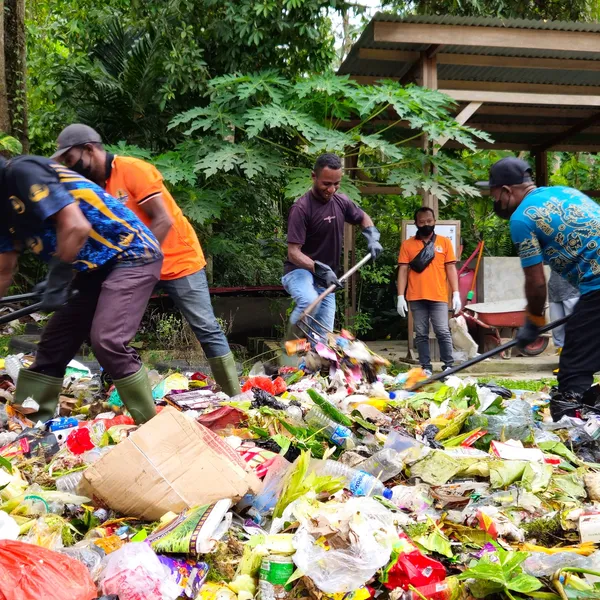
In the near-term, food production is sufficient to provide for all, but it doesn’t reach everyone who needs it. About 1.3 billion tons of food are wasted each year—four times the amount needed to feed the more than 800+ million people who are malnourished.
By improving efficiency and productivity while reducing waste and shifting consumption patterns, we can produce enough food for everyone by 2050 on roughly the same amount of land we use now. Feeding all sustainably and protecting our natural resources.
WWF works to secure a living planet that will sustain a more affluent population. From refining production and distribution to combating waste and environmental impacts, we want to improve how the world grows, transports, and consumes this precious fuel.
Priority commodities
© Adriano Gambarini / WWF-Brazil
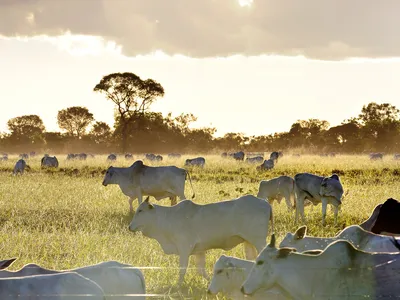
Beef
© WWF
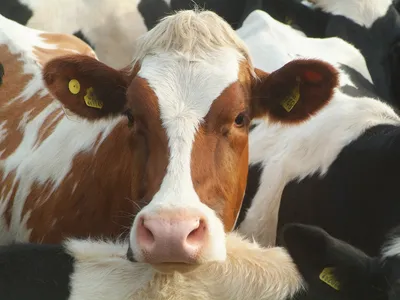
Dairy
© Erling Svensen / WWF-Canon
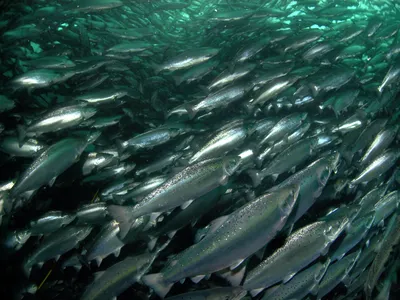
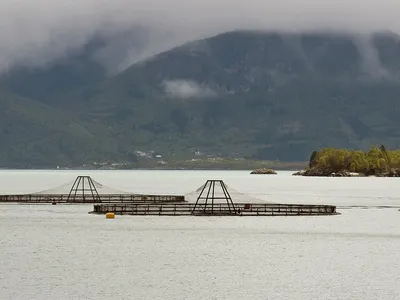
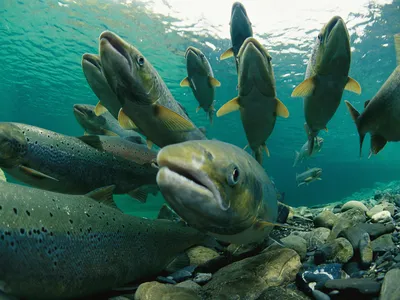
Farmed salmon
© Alis Leonte
Farmed seafood
© Matt Horwood / WWF-UK
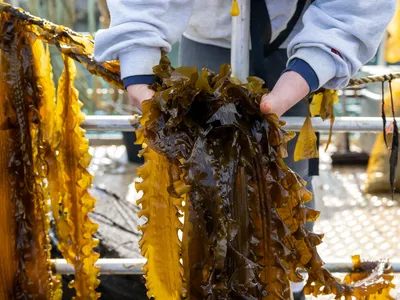
Farmed seaweed
© Shutterstock
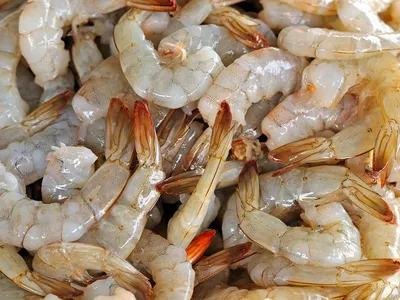
Farmed shrimp
© Shutterstock
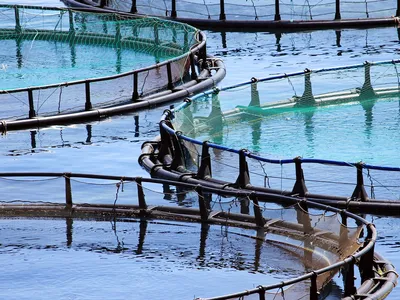
Other farmed seafood
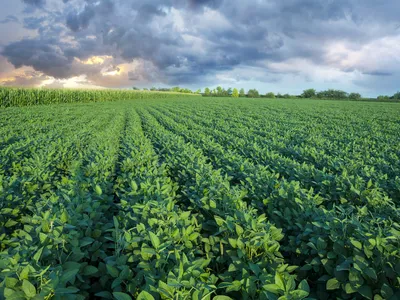
© Bokic Bojan / Shutterstock
Soy
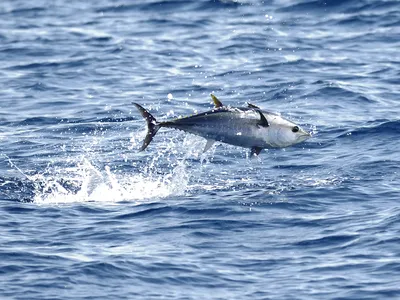
© Frédéric BASSEMAYOUSSE / WWF-Mediterranean
Tuna
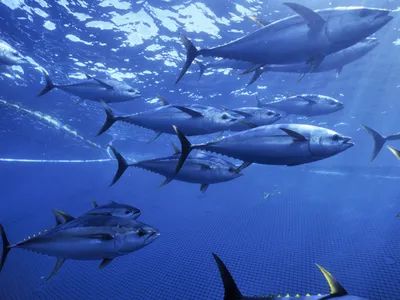
© naturepl.com / Doc White / WWF-Canon
Wild-caught seafood
Making food sustainable
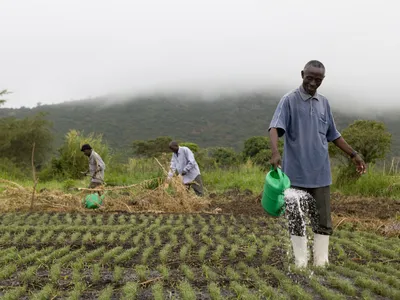
News and stories
Why food matters
© James Morgan / WWF-US
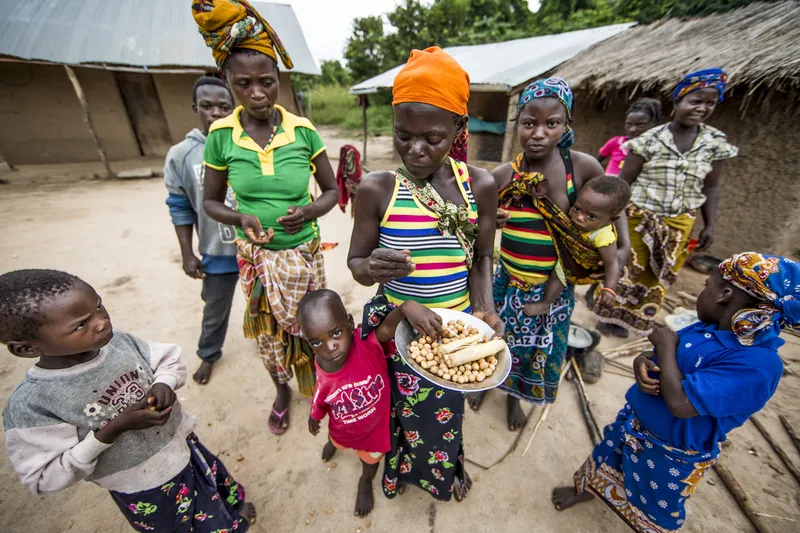
In the next 40 years, increased demand for food will put pressure on agricultural, aquaculture and fishing resources that are already strained. The strain to produce crops and sell food at affordable levels will impact the planet and the world’s poor. Local communities, industry leaders, governments, and non-governmental organizations must work together to produce better and consume more wisely.
How WWF is taking action on food
WWF works with partners to feed the world while conserving the Earth’s precious natural resources.
Certification standards
One of the biggest threats to biodiversity and ecosystems is where and how we produce food. WWF is working with retailers, buyers and producers responsible for key food commodities to establish credible, certification standards. These standards—including those already established for aquaculture, beef, soy, cotton, sugar and palm oil—measurably reduce key environmental impacts.

© ASC
Increase the supply of more sustainably sourced food
WWF is dedicated to building innovations for sustainability. We support producer improvement projects for priority food crops and promote sustainable supply chain solutions for food companies. These business solutions help companies reduce environmental impacts, become more profitable, and provide cases to shape the way we think about becoming more sustainable in the future.
© WWF
Increase demand of more sustainably sourced food
WWF is engages companies, platforms, sectors and governments to reduce key impacts of food production. This includes convincing priority companies and sectors to use purchases and investments to drive more sustainable food production.
Education and action
Produce better and consume more wisely. That’s the message but it will take entire sectors, platforms or even countries to move the needle on sustainability. WWF encourages enabling conditions and enforcement of policies that encourage more sustainable and efficient food production and consumption. We help businesses understand how they can contribute to a more sustainable brand. We also create awareness of the issue for US consumers, from shopping wisely to reducing food waste.
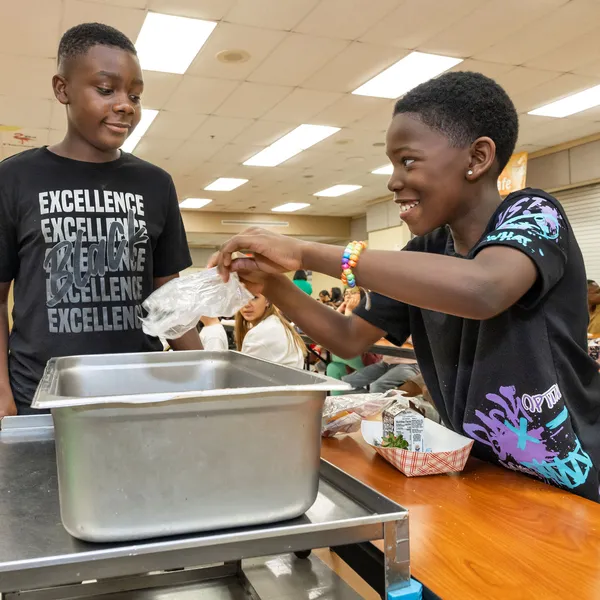
Reducing food waste
An effective food strategy must address the issue of food loss and waste. In order to meet global food security needs, as well as the food demands of an increasingly affluent global population, we will need to both increase productivity and efficiency, as well as reduce food waste.

© Shutterstock / Nick Hawkes
Projects
© Jonathan Caramanus / Green Renaissance / WWF-UK
Ensuring sustainable plates
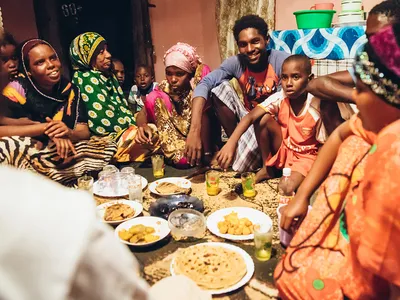
The urgent need to transform the world’s food systems is one of the greatest challenges of our time. We need to feed nearly 10 billion people by 2050 without destroying even more of the world’s remaining biodiversity or fueling climate change.
© Green Renaissance / WWF-US
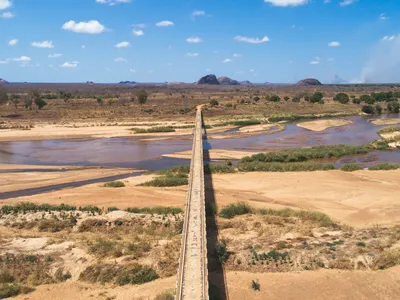
Mozambique’s Lifeline: Nature
Mozambique is instituting a five-year strategy that makes the sustainable management of natural resources and the environment a priority, and to the creation of a program that will focus on protecting the country’s natural capital.
© Shutterstock
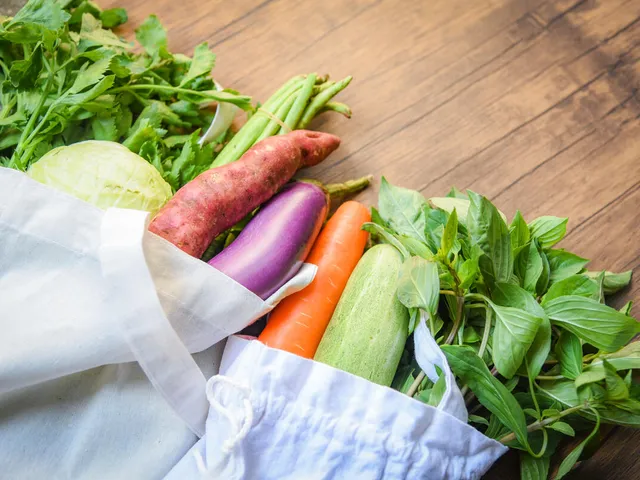
Help stop food waste
Every year, we throw away over 30% of our food—wasting the water, soil, and energy used to produce it while driving up grocery bills. Tell your representatives to support two common-sense bills in Congress.
Experts
-

Angela L. Bowman
Senior Director, Freshwater Metrics & US Waterscapes
-

Karla Canavan
Vice President, Commodity Trade and Finance, Markets
-

Dr. Jason Clay
Senior Vice President, Markets & Food; Executive Director, Markets Institute
-

Ellen Dierenfeld
Lead Specialist, Sustainable Feed Innovations
-
Suzy Friedman
Senior Director, Great Plains Policy
-
Julia Kurnik
Senior Director, Innovation Startups, Markets Institute at WWF
-

Brent Loken
Global Food Lead Scientist, Global Science
-
Danny Miller
Lead Specialist, Aquaculture
-

Emily Moberg
Senior Director, Scope 3 Carbon Measurement and Mitigation, Markets
-

Alex Nichols-Vinueza
Sr. Director, Food Waste, Americas
-

Pete Pearson
Vice President Food, Food Loss and Waste
-

Heather Dawn Thompson
Vice President, Native Nations Conservation and Food Systems