
© Shutterstock | Martin Harvey / WWF-Canon
Farmed seafood
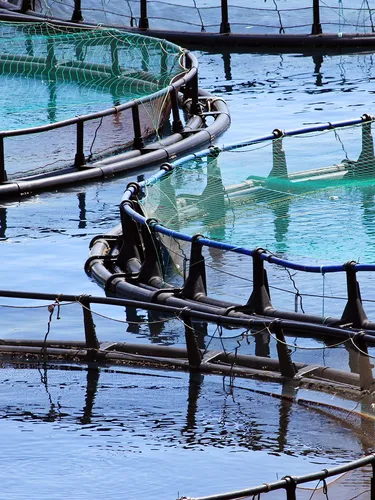
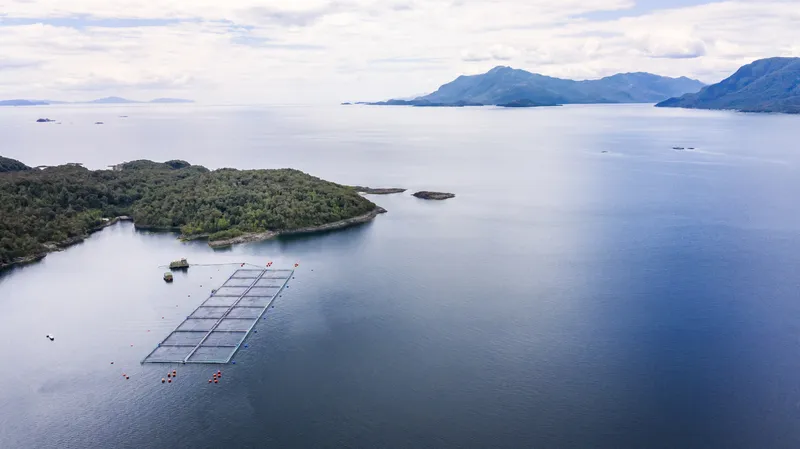
Seafood is one of the most popular sources of protein worldwide. Almost half of the seafood we eat comes from farms. And seafood farming—also known as aquaculture—is the fastest growing food production system in the world.
The rapid expansion of the aquaculture industry has not come without impacts. As a conservation organization, WWF is concerned about the negative effects the industry has had— and could continue to have—on the environment and society. We know that when done responsibly, aquaculture’s impact on wild fish populations, marine habitats, water quality and society can be significantly and measurably reduced.
Priority commodities
Why supporting farmed seafood matters
Eighty-five percent of the world’s marine stocks are either fully exploited or overfished, driving accelerated growth in the farmed seafood industry. With annual revenue in excess of $60 billion, the industry is on the verge of surpassing the total volume of wild-caught product.
Farmed seafood provides an answer to increasing demand for protein sources as the world’s population becomes more affluent, urbanized, and approaches 9 billion by 2050.

© Andrew S. Wright
Impacts of farmed seafood
© Yawar Motion Films / WWF-US
Chemical inputs
Excessive use of chemicals—such as antibiotics, anti-foulants and pesticides—or the use of banned chemicals can have unintended consequences for marine organisms and human health.
Disease and parasites
Viruses and parasites that transfer between farmed and wild species as well as among farmed species present a risk to wild populations or other farms.
Escapes
Escaped farmed species can compete with wild fish and interbreed with local wild stocks of the same population, altering the overall pool of genetic diversity.
Feed
Aquaculture must responsibly source and reduce its dependency upon fishmeal and fish oil—a primary ingredient in feed—so as not to put additional pressure on the world’s fisheries. Fish caught to make fishmeal and fish oil currently represent one-third of the global fish harvest.
Nutrient pollution and carrying capacity
Excess food and fish waste increase the levels of nutrients in the water and have the potential to lead to oxygen-deprived waters that stress aquatic life.
Social issues
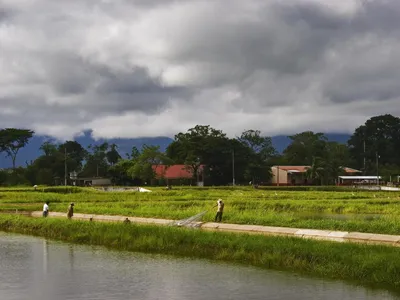
Seafood farming often employs a large number of workers on farms and in processing plants, potentially placing labor practices and worker rights under public scrutiny. Additionally, conflicts can arise among users of the shared coastal environment.
Land conversion and degradation
Clearing of land for agriculture feed sources affects high conservation value areas.
Biodiversity loss
Chemicals and excess nutrients from food and feces associated with aquaculture farms can disturb the flora and fauna on the ocean bottom.
How WWF is taking action to support responsiby farmed seafood

© 2011 Valentyn Volkov/Shutterstock
Advancing responsibly farmed seafood
We are at the forefront of spreading awareness among aquaculture producers about the importance of responsible practices if they are to survive in their present business model. WWF actively supports producers in implementing responsible practices through Aquaculture Improvement Projects. In the same way, WWF encourages large retailers and restaurant chains to adopt responsible seafood procurement policies that call for sourcing responsibly farmed seafood products.
Creating global standards
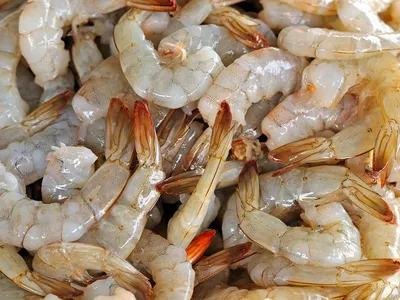
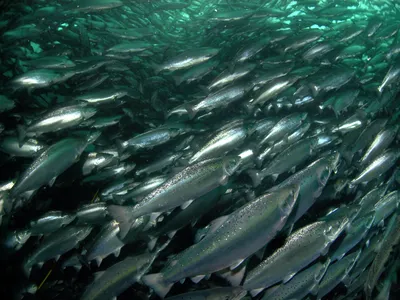
WWF has identified farmed shrimp and salmon as priority commodities because, collectively, they represent the largest share of the global farmed seafood market. Consequently, they can have a significant negative impact on the places and species we seek to protect. Additionally, we are working to advance responsible seafood farming for abalone, bivalves (clams, mussels, scallops, and oysters), cobia, freshwater trout, pangasius, seriola, and tilapia.
In 2004, we initiated and coordinated the Aquaculture Dialogues, a series of eight roundtables that included over 2,000 farmers, retailers, NGOs, scientists, and other important stakeholders within the aquaculture industry. Together, the group committed to developing measurable and performance-based standards for responsibly farmed seafood. These standards focus on measurable performance and encourage innovation to reduce environmental impacts.
In 2009, WWF co-founded the Aquaculture Stewardship Council (ASC) with the Dutch Sustainable Trade Initiative (IDH) to manage the global standards and certification programs. ASC works with Accreditation Services International (ASI) to accredit independent certification bodies to audit and certify compliant farms. WWF also engages with governments in countries that produce and export farmed seafood to design regulatory policies that will support a responsible aquaculture industry. We encourage financial institutions to be diligent in placing sustainability filters on loan applications for aquaculture operations.