© Shutterstock / Alexander Raths
Food loss and waste
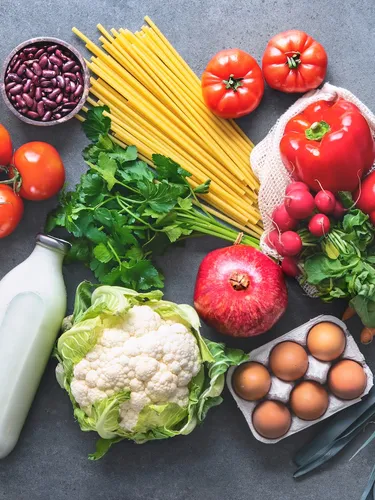
Nearly 40% of all food that is produced globally is wasted. Reducing this waste is one of the most impactful and effective strategies to reduce the food system’s impact on nature. WWF brings organizations together from the hospitality, retail, restaurant, food service, distribution, and manufacturing sectors, as well as schools and farms, to measure and reduce waste from field to table.
The impact of food loss and waste
The food we lose on farms around the planet could feed the world’s undernourished population almost four times over. Wasted food represents roughly 10% of global greenhouse gas emissions—nearly four times more than the global airline industry’s. It is the main driver of the loss of forests, grasslands, and other critical wildlife habitats, while also depleting freshwater supplies.

© Shutterstock / Zoteva
-
16% of all food
In the US, about 16% of all food is left behind on farms, wasting the fresh water, fertilizer, and energy required for production.
-
39.2 lbs. per student
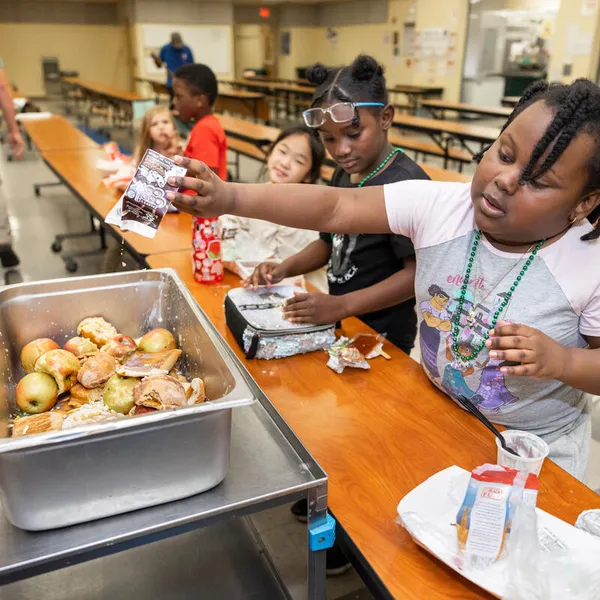
A recent study by WWF found that 39.2 pounds of food and 28.7 cartons of milk per student are wasted each year.
-
31% of the food supply
It is estimated that nearly a third of the food supply in the US is wasted each year—with most of the waste ending up in landfills or incinerators.
-
70% of biodiversity loss
Food production has the largest global environmental impact of any human activity—accounting for 70% of biodiversity loss, 70% of freshwater use, 50% of soil erosion, and a third of all greenhouse gas emissions.
How WWF is taking action on food loss and waste
WWF is working with governments, communities, food businesses, and other stakeholders to build programs and solutions to prevent and reduce food loss and waste across the entire food system. WWF food loss and waste programs are active in the following areas.
© Shutterstock / BearFotos
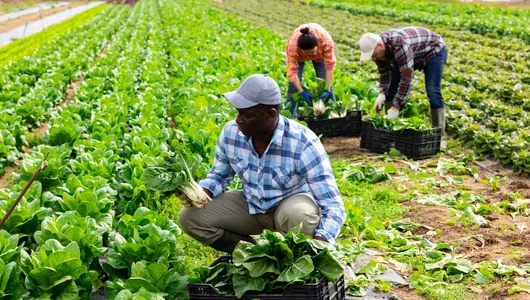
Farms & primary production
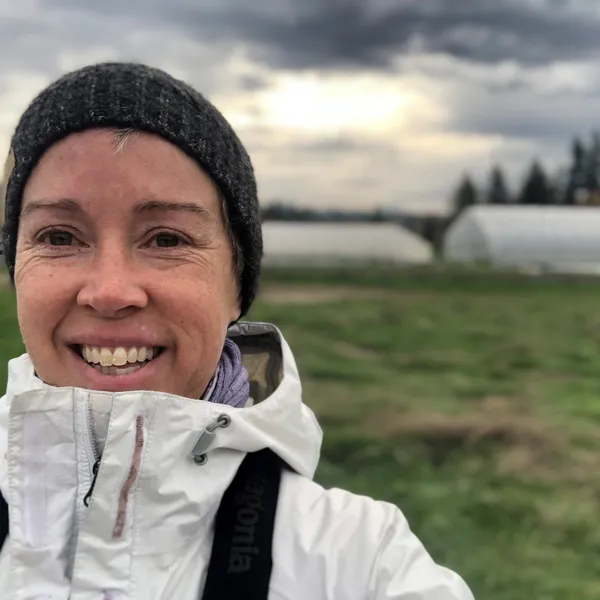
WWF is leading efforts to measure on-farm loss and to develop new solutions across the supply chain. The goal is to reduce on-farm loss and to deliver more of the harvest to people, lessening the intensity of food production.
© Shutterstock / Thaiview
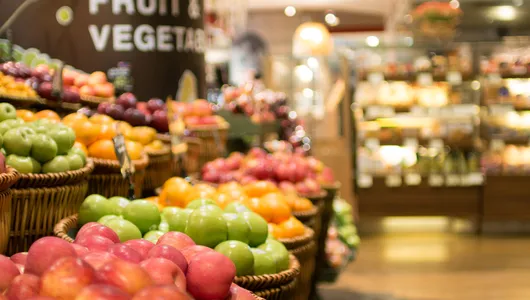
Food businesses
WWF is partnering with food businesses across the supply chain to set ambitious targets and drive meaningful action to reduce food waste—within their operations, across their supply chains, and with their customers.
© WWF-US / Rebecca Drobis
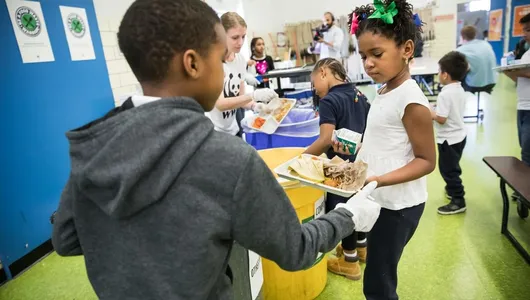
Students & schools
WWF’s Food Waste Warriors program is supporting K-12 students and teachers to turn school cafeterias into classrooms, helping them to better understand the connection between food and the environment, and take the lead in reducing food waste in schools and communities.
© Shutterstock / candy candy
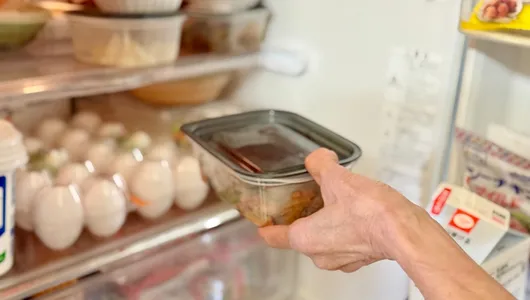
Consumer engagement
WWF is working with partners on a consumer-based project to reduce food waste and expand composting in the US. The multi-year campaign will create systemic change by combining a national media campaign, compost market development, and local community education.
© Shutterstock / voronaman
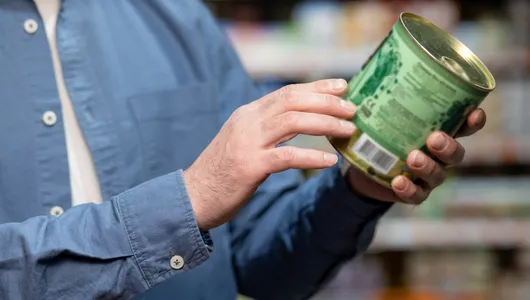
Food system policy
WWF is partnering with a coalition of NGOs, businesses, and communities to develop bipartisan and common-sense food loss and waste policies to help the US meet its goal of halving food waste by 2030.
© Shutterstock / Anita Martingano
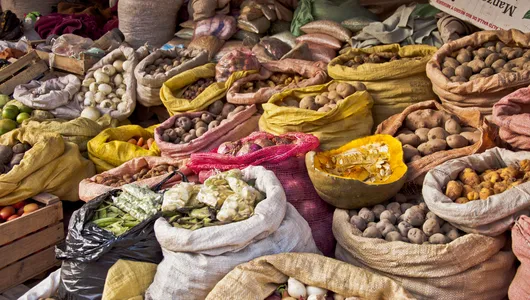
Working globally
As a global network, WWF works with communities and partners to scale the reduction of food loss and waste in critical landscapes and cities. We aim to drive reductions through private and public sector engagement, accelerating commitments that support circular food and waste management systems
How you can get involved
News and stories
© Shutterstock
Help stop food waste
Every year, we throw away over 30% of our food—wasting the water, soil, and energy used to produce it while driving up grocery bills. Tell your representatives to support two common-sense bills in Congress.
Experts
-
Mary Jane Chandler
Program Officer, Food Loss and Waste
-

Tara Dalton
Circular Supply Chain Manager, Food Loss and Waste
-

Anne Garsztka
Senior Program Officer for Circular Supply Chain Business Engagement, Food Loss and Waste
-

Allie Hines
Senior Program Officer, Global Food Loss and Waste Initiative
-

Alex Nichols-Vinueza
Sr. Director, Food Waste, Americas
-

Pete Pearson
Vice President Food, Food Loss and Waste
-

Leigh Prezkop
Senior Program Specialist, Food Loss and Waste
-

SJ Schanwald
Program Officer, Food Waste Warrior Program