The Global Farm Loss Tool
Creating a unified approach to measure loss on farms globally
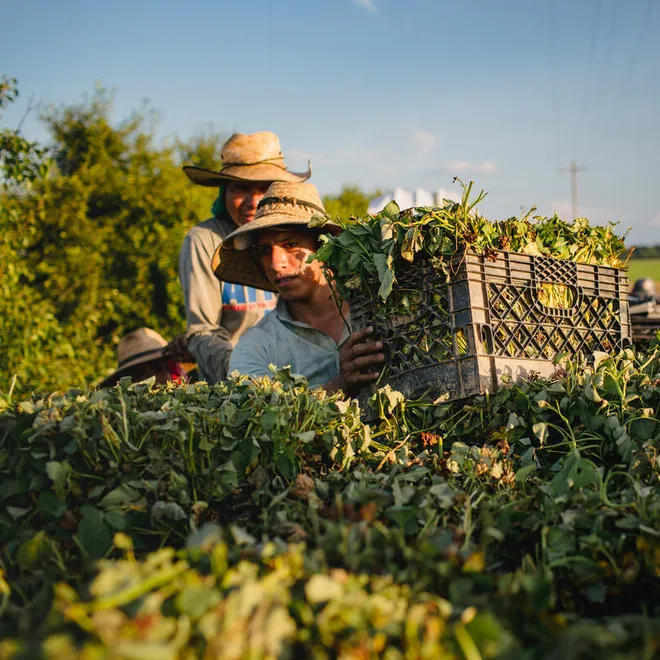
© WWF-US/Ashleigh Coleman
The challenge: food loss and waste on farms
Up to 40% of all food is lost or wasted from farm to fork. Of that total, 1.2 billion tonnes (or 15%) is lost on farms during and after harvest. This represents not only a loss of nutrients and food, but also a massive amount of resources—including 10% of all agricultural GHG emissions and a land area larger than the subcontinent of India.
To decarbonize our food system, prevent further agricultural expansion into nature, and feed the world's growing population, we must utilize more of what we grow and tackle food loss on farms. But we cannot manage this problem until we begin to measure it.
To accelerate progress on this issue, WWF has developed—alongside Consumer Goods Forum, World Resources Institute, WRAP-UK, Lyncros, and others—a simplified Global Farm Loss Tool (GFLT) for growers of all sizes and crop types to easily measure and report on-farm losses. In doing so, the GFLT aims to help farmers easily communicate what is being left behind in the field and why, in an effort to help them partner with buyers and suppliers to develop new channels for their surplus.
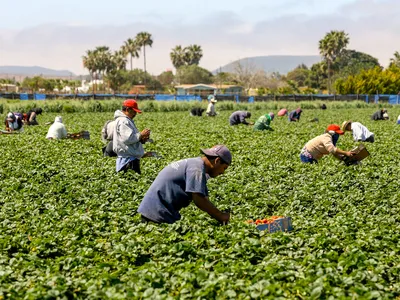
© Photo Beto/iStock
At a macro level, the GFLT aims to fill gaps in primary data on global farm losses and provide governments and experts with benchmarks and trends to improve policies that strengthen farmers’ incomes, reduce food’s footprint, and mitigate food insecurity.
Video
How to use the Global Farm Loss Tool
WWF and its partners have developed a simple, easy-to-use Global Farm Loss Tool to help growers all over the world measure loss and work with their buyers to sell more of their surplus. By supporting growers in this process, we can help to reduce the environmental impacts of our food system, feed our growing population, and make our supply chains more efficient and resilient.
Documents and worksheets
Using the Global Farm Loss Tool
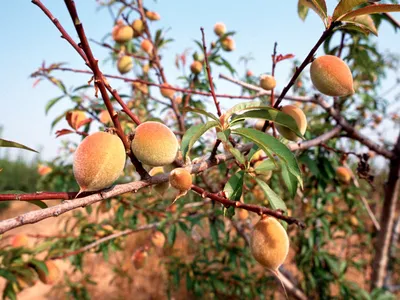
© Michel Gunther / WWF
WWF Global Farm Loss Tool Guidance
A detailed overview of the GFLT, helping users to plan and undertake field measurements. Spanish version available.
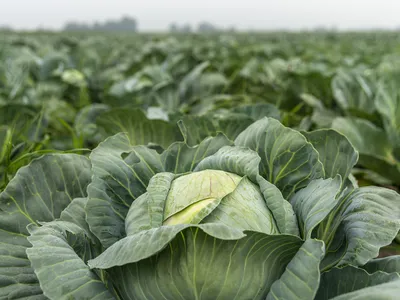
© pidjoe/iStock
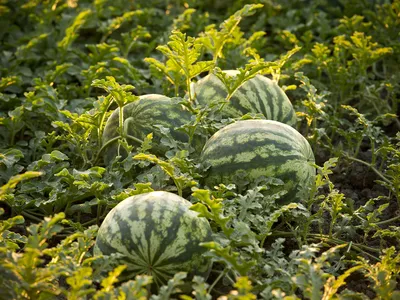
Global Farm Loss Tool Worksheet
A detailed worksheet to support GFLT in collecting data in the field to transfer back to the Global Farm Loss Tool online.
© ozgurdonmaz/iStock
Español
Cómo Iniciar con la Herramienta Global de Pérdida Agrícola
Una descripción detallada del GFLT, que ayuda a los usuarios a planificar y realizar mediciones de campo.
Case study and training videos
© Juan Carlos DEL OLMO/WWF-Spain
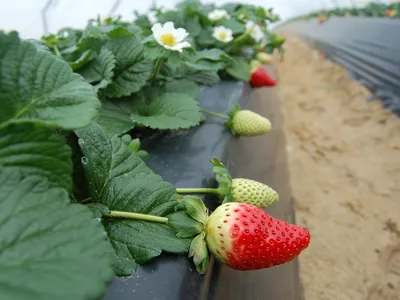
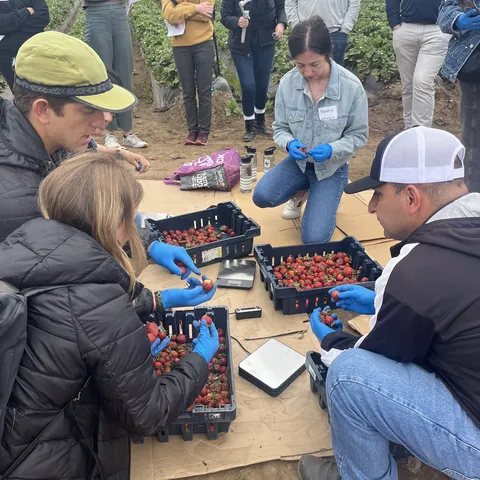
Reducing Fresh Strawberry Loss & Waste in the US Retail Supply Chain
© Ola Jennersten / WWF-Sweden
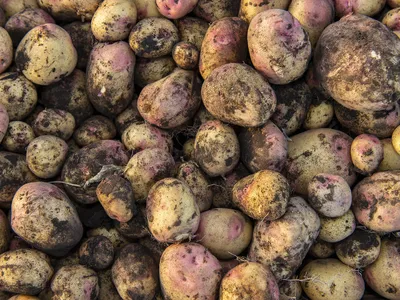
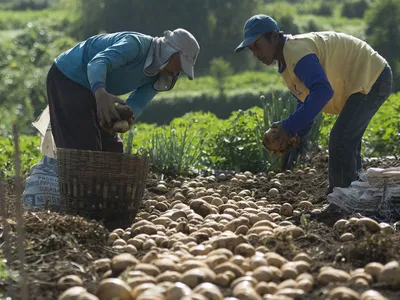
In-field measurement guidance
© Eriz Razak/iStock
Español
Herramientas para medir y evitar la pérdida y desperdicio de alimentos desde la producción
© Luis Barreto / WWF-UK
Español
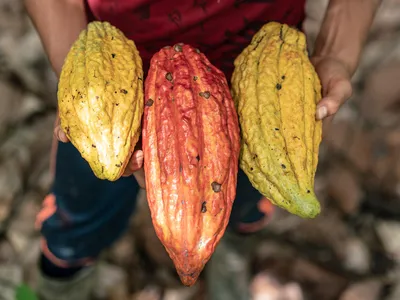
Reducir pérdidas en cacao también es tarea del comprador
Sign up for the Global Farm Loss Tool
Ready to reduce farm loss? Sign up to begin using the tool today!
© WWF-US
Case studies
Experts

Leigh Prezkop

Alex Nichols-Vinueza

Global Farm Loss Tool compatibility
For buyers such as food manufacturers and retailers looking to make progress against their existing food waste and climate commitments, the GFLT is compatible with existing reporting standards and tools such as WRI and WRAP’s Food Waste Atlas, WRI’s 10x20Kx30 initiative, the FAO’s Food Loss Index, and Champions 12.3.