A breakthrough year for the U.S. Food Waste Pact
Looking back at our 2025 impact and what's ahead for 2026
By
-
and Dana Gunders

© Shutterstock / KOTOIMAGES
In its second year, the U.S. Food Waste Pact saw extraordinary growth. We welcomed 14 new signatories into the fold, expanding our reach to new sectors like farm and distribution, and deepened our engagement with existing sectors and signatories, particularly our quick-service restaurant cohort. In collaboration with our signatories and other food businesses, we ran six successful pilot projects in 2025, including our first whole chain pilot that scaled a solution identified in a previous pilot. We also entered a new project area—and broke new ground—with our pilot to measure and reduce food waste at events. We launched the Pact’s Employee Engagement Toolkit, a resource born out of pilots that focused on engaging frontline workers in food waste reduction and which has set the foundation for future resources and tools to help businesses around the world embed food waste reduction practices into their operations. And in 2025, our signatories enabled us to establish national sector-specific baselines in retail and in foodservice, the first datasets of their kind.
We also engaged in new strategic efforts to maximize the Pact’s impact. We hosted our first executive roundtable at Climate Week NYC, which brought together food business leaders from the boardroom to discuss common challenges in reducing food waste and opportunities for collaboration. Additionally, at the beginning of the year, representatives from the U.S. Food Waste Pact joined nine other food waste pacts around the world to create the Food Pact Network, a collaborative effort between global initiatives to share best practices and resources.
With so much growth in 2025, we’re looking forward to digging deeper in 2026. We are eager to hear new ideas emerge from our expanded signatory base as businesses work on this challenge together. We are excited to welcome Pact members to help co-create ways they can engage in the national wasted food campaign led by EPA and USDA to be launched in 2027. We will focus on mapping more commodities in our ongoing whole chain efforts and diving deeper into our low-waste events work. New resources will be generated from the incredible work that our signatories are carrying out in their operations, creating a deep library of open source insights and learnings. Finally, we’ll continue to refine our benchmarking and measurement capabilities, giving our business signatories a detailed look at their own operations and inspiring other businesses to join the Pact by giving them a point of comparison for their own operations
We are so proud of the dedication that our Pact signatories have shown to address this problem, and we look forward to continued progress on food waste reduction in 2026 and beyond.
Pact 25: at a glance
Food waste in foodservice:
- 3.99% food efficiency rate
- 21% decrease in emissions from food waste
- 711k meals donated
- 23% decrease in the wholesale cost of unsold food
Food waste in retail
- 2.9% unsold food rate
- 1.21 billion meals donated
Signatory engagement
- 96%* of signatories have food waste KPIs
- 88%* of signatories do food waste training with employees
- 83%* of signatories engage with suppliers about food waste
*excludes trade associations and coalition signatories
Pact Highlights
- 14 new signatories
- 6 pilots
- 32 collaborative convenings
Join the conversation
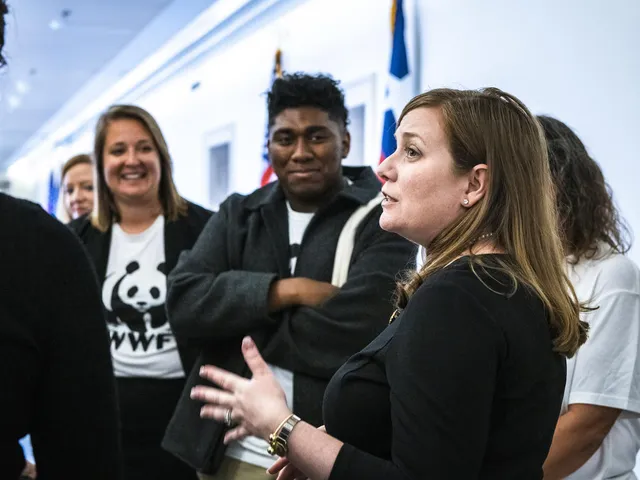
© WWF-US / Darren Higgins
Connect with Sustainability Works on LinkedIn
Stay current with insights from sustainability leaders and rising stars—fresh ideas, technical depth, and bold thinking across industries.