© Fílmico Colombia/WWF-US
Leatherback turtles
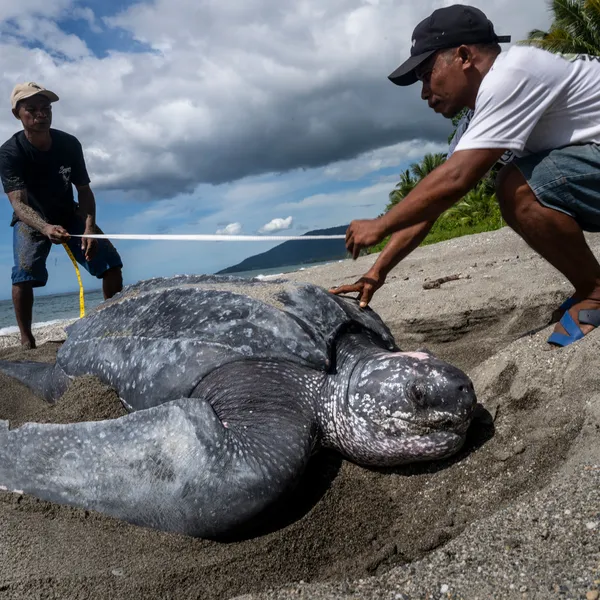
Leatherback turtles are named for their shell, which is leather-like rather than hard, like other turtles.
They are the largest sea turtle species and also one of the most migratory, crossing both the Atlantic and Pacific Oceans. Pacific leatherbacks migrate from nesting beaches in the Coral Triangle all the way to the California coast to feed on the abundant jellyfish every summer and fall.
Although their distribution is wide, numbers of leatherback turtles have seriously declined during the last century as a result of intense egg collection and fisheries bycatch. Globally, leatherback status according to IUCN is listed as Vulnerable, but many subpopulations (such as in the Pacific and Southwest Atlantic) are Critically Endangered.
Leatherback turtle facts
- Status Learn more about endangered status categories and explanation
- Vulnerable
- Scientific name
- Dermochelys coriacea
- Weight
- 600–1,500 pounds
- Length
- 55–63 inches
News and stories
Why leatherback turtles matter
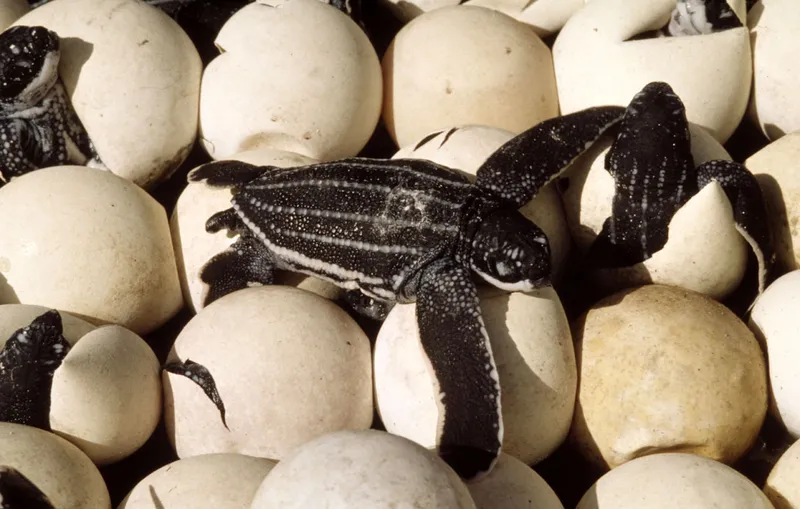
© Roger Leguen / WWF-Canon
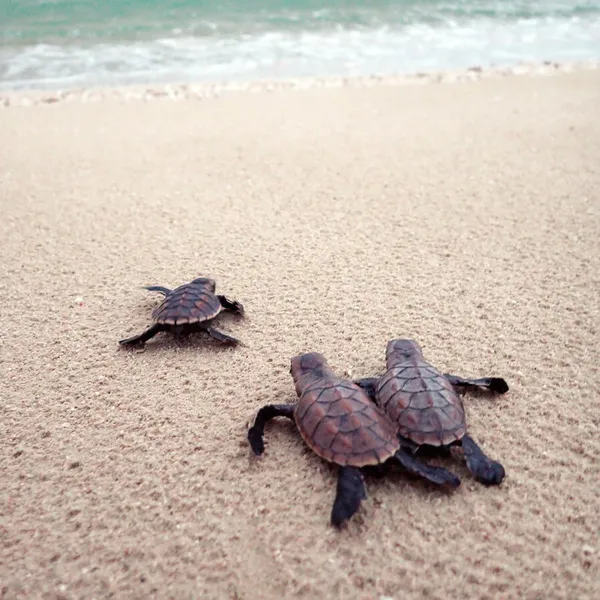
Marine turtles are the living representatives of a group of reptiles that have existed on Earth and traveled our seas for the last 100 million years. They are a fundamental link in marine ecosystems.
Leatherback turtles consume large numbers of jellyfish, which helps to keep populations of these marine organisms in check. Marine turtles, including leatherbacks, also provide a vital source of income as a draw for ecotourism in coastal communities, especially in the Coral Triangle.
Threats to leatherback turtles
Pacific populations have declined over the last twenty years from overharvesting and interactions with fisheries. Atlantic leatherbacks, with their long migrations across the ocean, put them at great risk of running into longline fisheries. Leatherbacks feed almost exclusively on jellyfish, making them susceptible to mistakenly swallowing plastic bags floating in the ocean, which can kill them.
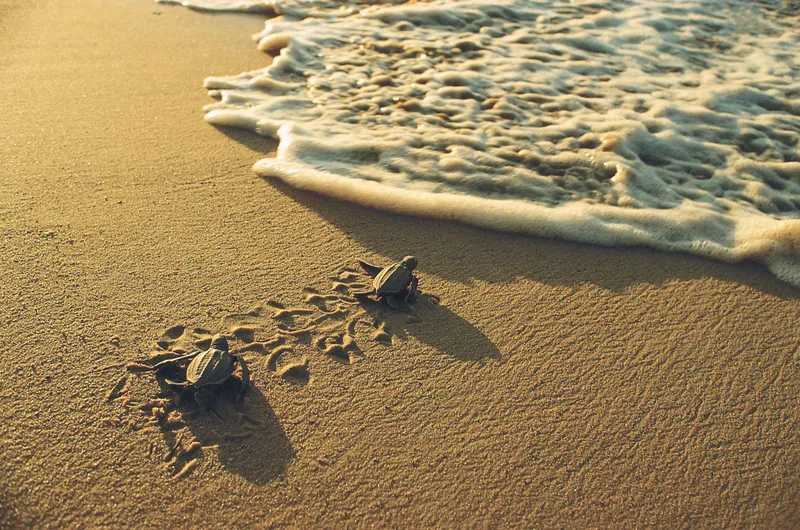
© Roger Leguen / WWF-Canon
Overharvesting and illegal trade
Egg collection on many turtle nesting beaches is a very serious threat, especially in Southeast Asia where a culture of legal egg collection leads to the removal of tens of thousands of eggs. This practice has contributed to the local extinction of leatherbacks in Malaysia. Within the last several decades extensive egg collection and the killing of adult turtles in Indonesia has resulted in huge population declines throughout the region. Despite protective legislation, many eggs produced each year in Central America are still collected for subsistence or commercial use. Hunting and egg collection persists throughout the Indian Ocean as well.
Fisheries bycatch
Worldwide, hundreds of thousands of sea turtles a year are accidentally caught in shrimp trawl nets, on longline hooks and in fishing gillnets. Sea turtles need to reach the surface to breathe, and therefore many drown once caught. Known as bycatch, this is a serious threat to leatherback turtles. As fishing activity expands, this threat is more of a problem.
Habitat loss
Sea turtles are dependent on beaches for nesting. Sea level rise, uncontrolled coastal development, vehicle traffic on beaches, and other human activities have directly destroyed or disturbed sea turtle nesting beaches around the world. Turtle feeding grounds such as coral reefs and sea grass beds are also damaged and destroyed by activities onshore, such as sedimentation from clearing of land and nutrient run-off from agriculture.
How WWF is taking action to protect leatherback turtles
Eliminating bycatch
WWF aims to reduce turtle bycatch by working with fisheries to switch to more turtle-friendly fishing hooks ("circle" hooks) and advocates for the use of devices that exclude turtles from nets. We run an international competition called Smart Gear to attract creative new ways to solve bycatch problems and to advance those ideas. Winning devices have been designed to minimize the bycatch of turtles on tuna longlines and help turtles avoid gillnets. We work with fishermen to help them save turtles caught in fishing gear. We also use satellite devices to track turtle movements to help prevent future interactions between fisheries and turtles.

© Tanya Petersen / WWF-Canon
Protecting marine turtle habitat
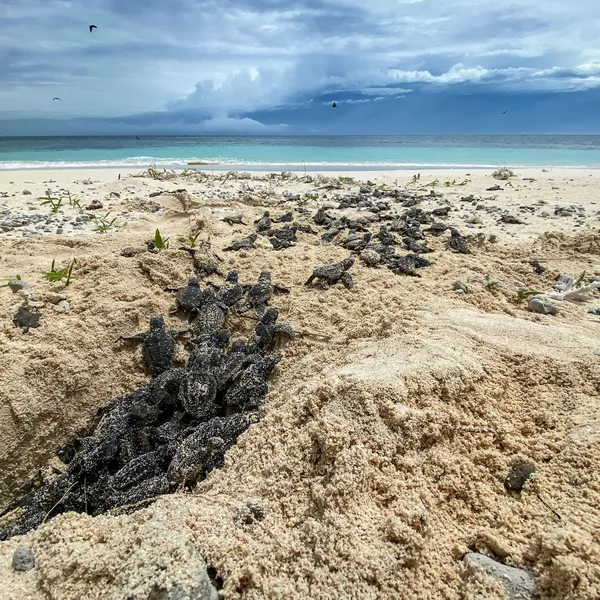
WWF works around the world to establish marine protected areas (MPA) to ensure marine turtles have a safe place to nest, feed and migrate freely. In the Bird's Head Seascape of the Coral Triangle, we work to protect the nesting area of the largest remaining population of leatherback turtles in the Pacific Ocean. WWF also supports the patrolling of leatherback turtle nest beaches and helps equip local turtle conservationists. These conservation efforts often lead to ecotourism opportunities and offer alternative livelihoods for local communities.
Satellite tracking
Satellite telemetry allows researchers to track marine turtles as they swim from place to place. These satellite tags do not harm the turtles in any way and are designed to eventually fall off. The data will tell us where important feeding areas are, help us understand migration patterns, and anticipate where turtles may come in contact with fisheries and their gear. More than 20 leatherbacks have been fitted with transmitters to analyze their migratory routes in the Atlantic Ocean and hopefully reduce bycatch mortalities.

© naturepl.com / Konrad Wothe / WWF
Addressing overharvesting
WWF works with local communities to reduce turtle consumption of leatherback turtles and eggs. Our efforts help create awareness of the threats leatherbacks face and communicate the importance of protecting them. We also train and equip local rangers to protect turtles from poaching and patrol nesting beaches. In the Coral Triangle, we support community efforts to protect leatherback nest sites and launch ecotourism businesses.
How you can help
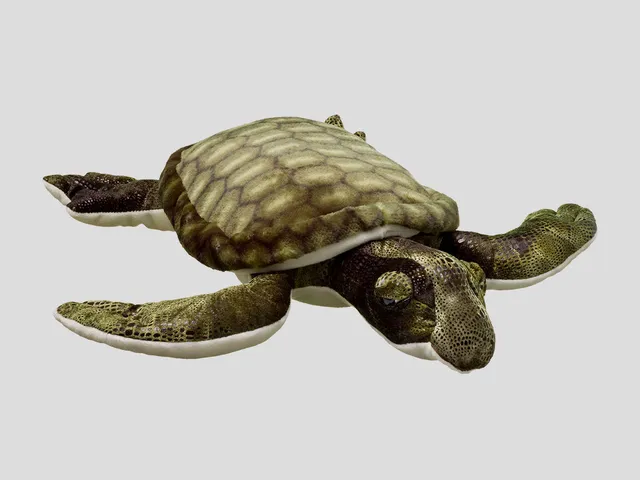
© WWF-US / WWFGifts
Adopt a green turtle
Support WWF’s global efforts to protect wild animals and their habitats and choose from kits with plush and more.