© James Morgan / WWF-US
Southern Africa
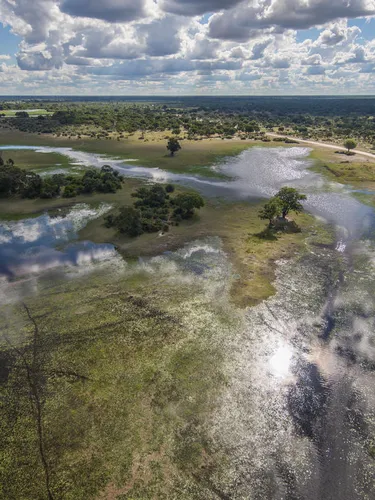
Southern Africa, which includes Angola, Botswana, Namibia, Zambia, Zimbabwe, and South Africa, is home to many of the world’s most beloved wildlife species, iconic landscapes, and critical freshwater systems. The vast grasslands, wetlands, woodlands, and desert scrublands are frequented by African species including elephants, wild dogs, hippos, rhinos, and lions. In addition, critical transboundary freshwater systems like the Zambezi and Okavango River basins provide food and water for the region’s wildlife and people.
Community-managed and state-run protected areas create extensive, interconnected networks of conservation areas, some of which can span across country borders. The Kavango-Zambezi Transfrontier Conservation Area (KAZA) —which spans across Angola, Botswana, Namibia, Zambia, and Zimbabwe, is one of these areas in which WWF focuses its transboundary and place-based conservation initiatives due to the intense demands on the region’s natural resources and biodiversity. Threats like poaching, habitat loss and fragmentation, human-wildlife conflict, climate change, and infrastructure development are putting unprecedented pressure on Southern Africa’s ecosystems.
For decades, WWF has collaborated with governments, local communities, and other partners across Southern Africa to support a connected, climate-resilient, and economically viable landscape for wildlife and people.
Wildlife of Southern Africa

© Marie Friederichs
Southern Africa is home to the continent’s largest populations of savanna elephants and black and white rhinos, along with lions and other large carnivores. The inland Miombo woodlands, which stretch into East Africa, host an estimated 8,500 plant species, more than half of which are found only in this region. It’s also known for its rich bird life. To the south of the Cunene and Zambezi Rivers, there are 990 species of bird among, including 15% which are found nowhere else. And a high diversity of freshwater fish species from tigerfish to pike to squeakers and large variety of cichlids can be found in Southern Africa’s freshwater systems. They’re integral to the health of the rivers and lakes across the region as well as part of the food chain for many species, including humans. This rich biodiversity attracts millions of tourists each year, bolstering the local economy.
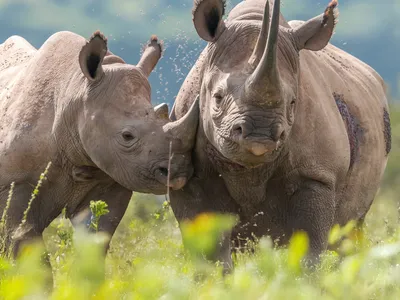
Black rhinos
Among black and white rhinos, black rhinos are the smaller of the two African rhino species
© naturepl.com / Tui De Roy / WWF
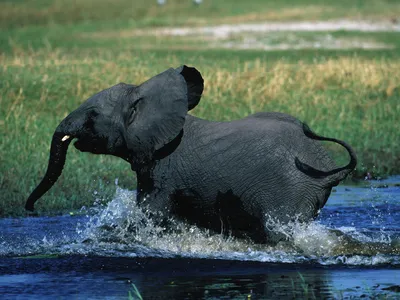
African savanna elephants
African savanna elephants are the largest species of elephant and the biggest terrestrial animal on Earth.
© Martin Harvey / WWF-Canon
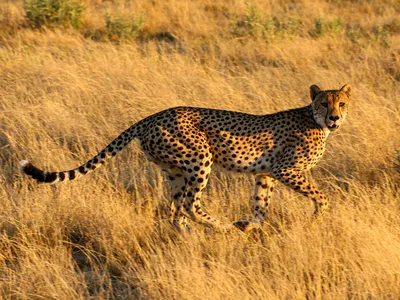
Cheetahs
Cheetahs are big cats known for being the world’s fastest land mammal, reaching speeds of up to 60-70 miles per hour.
© WWF-US / Jeff Muller
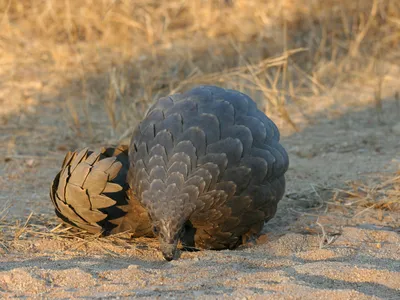
Pangolins
There are currently eight species of pangolin recognized by the International Union for Conservation of Nature (IUCN), ranging from vulnerable to critically endangered.
© Shutterstock
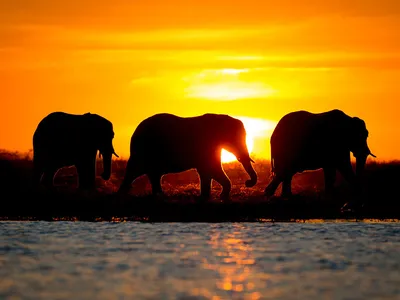
African elephants
African elephants are the largest animals walking the Earth. Their herds wander through 37 countries in Africa.
© Will Burrard-Lucas / WWF-US
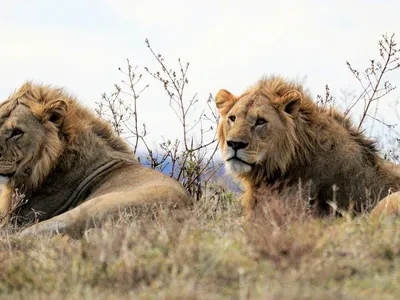
Lions
Lions are highly adaptable and can live in different habitats, but prefer open savannas where it's easiest to stalk prey.
© WWF / Nikhil Advani
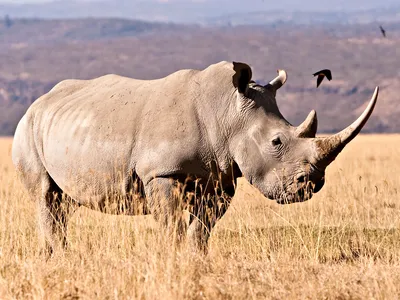
White rhinos
White rhinos get their name from the Afrikaans word “weit,” meaning wide and referring to the animal’s mouth.
© Martin Harvey / WWF-Canon
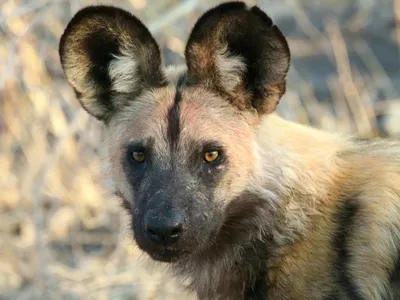
African wild dogs
Wild dogs are social and gather in packs of around ten individuals, but some packs number more than 40.
© Ron Caruso
People and communities of Southern Africa

© CreativeLAB / WWF-US
Over 141 million people live in the six Southern African countries, including traditional rural communities and Indigenous people whose well-being is inextricably tied to the health of the region’s lands and waters. Since the 1980s, Southern Africa has driven successful national community-based natural resource management programs, starting with Zimbabwe in the 1980s. Soon after, Namibia’s well-known, highly-successful communal conservancy program began. Today, communal conservancies cover more than 20% of Namibia’s land with around one in five rural Namibians living within a conservancy.
These efforts empower communities to manage and benefit from their own wildlife and other natural resources. Wildlife-based enterprises—particularly nature-based tourism—fuel many the region’s rural economies, incentivizing local communities to conserve wildlife.
Southern Africa under threat

© Aaron Gekoski / naturepl.com / WWF
Habitat loss, fragmentation and degradation
Rapid human population growth and expanding development are driving the degradation and fragmentation of vital freshwater and terrestrial ecosystems. Agricultural expansion, deforestation, urban growth, and associated energy and linear infrastructure such as roads, railways, and fences are damaging critical wildlife habitats and disrupting essential migration corridors. The need to feed more people and tourists will put additional pressure on the KAZA landscape to produce food. Additionally, energy and water infrastructure like large-scale hydropower are altering free-flowing rivers and threatening the resources that people and wildlife rely upon.
Human-wildlife conflict
Human-wildlife conflict is an increasing problem in Southern Africa for both growing human and wildlife populations. As climate change leads to increased drought, for example, reduced access to freshwater has led to increased interactions between humans and wildlife. This is threatening community livelihoods and food security as wildlife, such as elephants, can raid crops and damage property, and predators, like lions and hyenas, kill livestock. This can result in decreased tolerance for wildlife and more retaliatory killings.
Illegal wildlife trade
The illegal wildlife trade is one of the greatest threats to Southern Africa’s most vulnerable species and can have rapid impacts on populations. Poaching for their horns remains the most immediate threat to Africa’s black and white rhinos. South Africa and Namibia together hold 70% of all remaining rhinos in the world (all five rhino species combined), making the two countries the primary focus of poaching syndicates.
Pangolin poaching in Southern Africa is also a significant concern as it is escalating and impacting populations. The demand for pangolin products, such as their scales used in Chinese medicine and their meat is a delicacy in Asian markets.
Climate change
The majority of Southern Africa experiences a single rainfall season occurring between November and April. Many parts of Africa are increasingly affected by the dry season growing hotter and rainy seasons arriving later. It is expected that all of Africa will continue to warm during the 21st century, and potential for reduced rainfall in the austral winter in southern Africa. During the recent El Niño phase, which extended from 2023 into early 2024, Southern Africa experienced damaging drought conditions, particularly in Zambia and Zimbabwe, which suffered the worst drought in at least two decades.
WWF is taking action to protect Southern Africa

© Jasper Doest / WWF
Protecting freshwater resources
WWF supports work in several of the large water basins across the region, including the upper Zambezi, Kafue, and Luangwa River basins. Water is precious in this region and dependable seasonal flows are a lifeline for communities and wildlife. WWF is engaging governments, communities and other partners to support transboundary water management, protection of freshwater systems, including headwaters, and community-led freshwater fisheries management.
For example, through tools like a ‘report card’ on the health of Cuando River Basin and a transboundary management plan for the Cuando River Basin, WWF and partners are helping ensure increased water security for the people and ecosystems in the Cuando, and downstream in the Zambezi Basin.
We are also working hand-in-hand with communities along the Cuando River to support the development of community-led freshwater fish reserves and associated alternative livelihoods. Scientific assessments are critical for informed decision making and WWF has also supported efforts to fill key knowledge gaps.
Community-based conservation
Conservation thrives when local communities manage their own land and resources. Namibia’s communal conservancies—established with support from WWF, the Namibian government, and partners—link healthy wildlife populations to community prosperity. This approach incentivizes people to protect its natural resources and supports economic opportunities for communities, like tourism.
However with the COVID-19 pandemic greatly impacting the tourism industry, WWF launched the African Nature Based Tourism Platform connecting funders with communities and small businesses in 11 countries, including Namibia, Botswana, Zimbabwe, and Zambia.
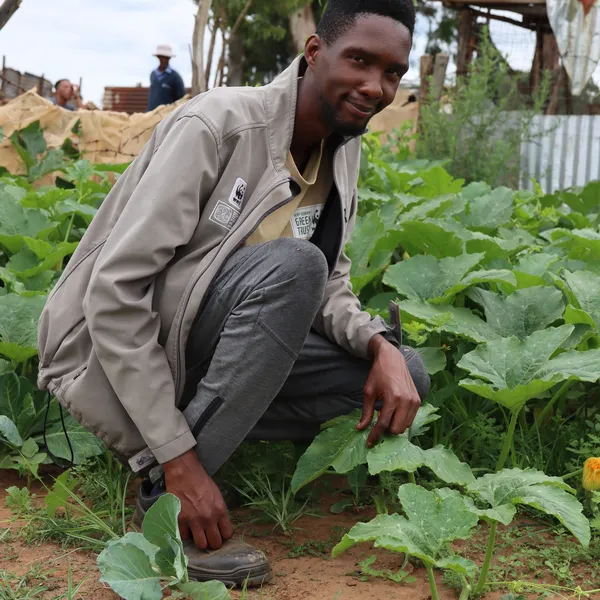
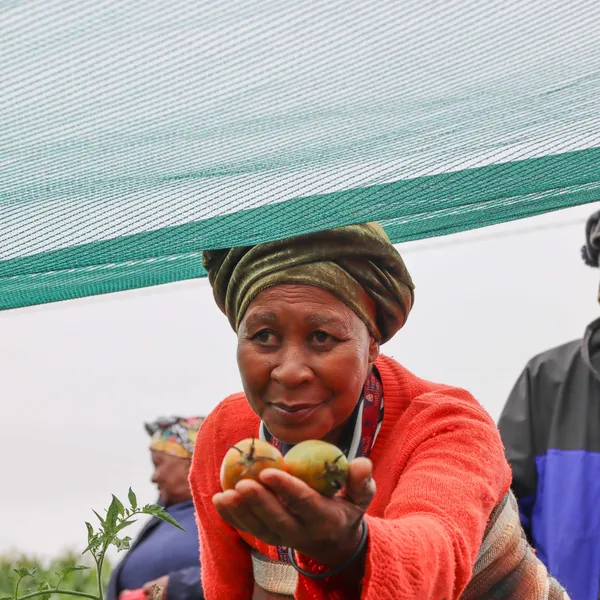
The pandemic also underscored the need to diversify incomes and boost food security. WWF is helping communities across the region adopt sustainable livelihoods—like co-managed fisheries, improved grazing, and climate-smart farming—that benefit both people and wildlife.
Fighting wildlife crime
Strengthening law enforcement
WWF works with governments and law enforcement agencies to strengthen investigations and prosecution of illegal wildlife trafficking. For example, WWF has developed a scent detection system that uses modified vacuums and specially trained ‘sniffer dogs’ to find hidden wildlife contraband in unopened shipping containers. The tool is now being tested in live port settings.
In Namibia, WWF collaborates with the Namibian government to build local and international cooperation to combat poaching and wildlife trafficking. In 2024, WWF and partners, including through financial support from the US Bureau of International Narcotics and Law Enforcement Affairs (INL), supported the launch of the country’s Environmental Crimes Court, only the second dedicated court for environmental crimes in Africa. This court is designed to address the important backlog of wildlife cases in the country, which has built up since the escalation of poaching in 2015, and to handle complex wildlife crime cases, including those involving powerful international wildlife syndicates.
Using technology to stop wildlife trafficking
WWF is helping shut down online marketplaces for illegal wildlife products through the global Coalition to End Wildlife Trafficking Online. Formed in 2018 by WWF, TRAFFIC, and IFAW, the Coalition now includes over 50 of the world’s most popular digital apps and platforms working to block millions of listings for illegal wildlife products, like elephant ivory, pangolin scales, rhino horns, and endemic ornamental and medicinal plants from Southern Africa.
On the ground, WWF is leveraging technology to stop poaching. In Zambia’s Kafue National Park, thermal cameras alert rangers in real-time to poaching threats- drastically reducing poaching and improving ranger safety. And in airports in Southern Africa, WWF helped develop and deploy a first-of-its-kind X-ray autodetection system to identify instances of wildlife trafficking in air cargo and baggage.
Connecting ecosystems
Wildlife need space to roam. Connecting key habitats across Southern Africa helps animals move freely to find food, water, and mates, while reducing conflict with people. WWF works to connect and protect large and intact landscapes, including Namibia’s Skeleton Coast Etosha Conservation Bridge Legacy Landscape, a vital 12,000-square-mile conservation area linking parks, concessions, and conservancies. In South Africa, we’re helping establish three Mega Living Landscapes—over 34 million acres of connected conservation and working lands—contributing to the global 30x30 biodiversity goal.
WWF helps to monitor movements and distribution of key species like elephants, zebras, and large carnivores, which enables us to identify and better protect important wildlife corridors. We also work to reduce threats to landscape and freshwater connectivity including infrastructure development, fences and other barriers, and land conversion.
Through collaboration with governments, communities, and partners, we help guide informed land-use management planning and support policies that integrate conservation connectivity into development plans. We also use wildlife movement data to help communities prevent human-wildlife conflict before it occurs as well as support conflict management approaches such as predator-proof livestock enclosures and elephant-friendly farming techniques.
Adapting to climate change
Working closely with Southern African governments and partners, WWF is supporting climate financing opportunities and nature-based solutions, building resilience among communities most impacted by climate change, and implementing solutions for species. WWF’s Wildlife Adaptation Innovation Fund supports projects to help species adapt to a changing climate, like African penguins, desert plants, hornbills, and others.
Through the Climate Crowd initiative, WWF is working with communities in South Africa, Zimbabwe, and Namibia to understand how they’re being impacted by climate change and developing and implementing on-the-ground solutions, like solar-powered boreholes, rainwater harvesting systems, climate-smart agriculture practices, and diversified livelihoods. These efforts help increase the resilience of communities while helping to reduce pressure on wildlife and conservation areas.
Sustainable financing for conservation
WWF is working to scale up sustainable, long-term investment in Namibia and other globally significant conservation areas through the Enduring Earth initiative. In partnership with The Nature Conservancy, The Pew Charitable Trusts, and ZOMALAB, we’re supporting governments and communities in conserving and protecting nature through the Project Finance for Permanence (PFP) approach, and in furtherance of the global 30x30 target and other sustainable development goals. This approach aims to ensure entire systems of conservation areas, like national parks, are well-managed, sustainably financed, and benefit the communities that depend on them.
Improving food systems
In Zimbabwe’s Victoria Falls and Livingstone, Zambia, face challenges in meeting local nutritional needs amidst increasing populations, incomes, and tourism. This puts heavy pressure on ecosystems to meet food demands and leads to more greenhouse emissions– especially methane–from food waste.
WWF and partners are working in these cities to build private sector partnerships, develop more sustainable food systems, advance food waste prevention, and reduce organic waste in landfills. These initiatives will help create a long-term financing plan to reduce methane for small- to medium-sized cities across Africa. In addition, WWF is launching awareness campaigns to engage stakeholders, including schools and youth, on how they can contribute to circular food solutions that reduce GHG emissions from food production and food waste.
Experts
-

Nikhil Advani
Senior Director, Wildlife and Climate Resilience
-

Cody Aylward
Senior Specialist, Connectivity and Wildlife Conservation
-

Evan Freund
Senior Director, Sustainable Infrastructure, Forests
-
Bas Huijbregts
African Species Director, Wildlife Conservation Program
-
Robin Naidoo
Senior Conservation Scientist and Lead Wildlife Scientist
-

Michele Thieme
Vice President and Deputy Director, Freshwater