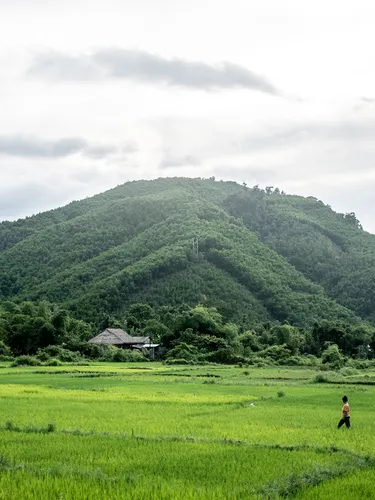
© WWF-US/Justin Mott
Areas of conservation
Lasting conservation can only be achieved through connected systems, projects, and people
WWF works to conserve some of the world's most critical places for biodiversity and climate. We focus on key geographies where we are uniquely positioned to drive durable conservation—places where we have strong leadership, deep partnerships, and a proven track record of delivering results.
We approach these regions with a “whole of place” mindset, considering its full ecological, social, political, and economic systems. These places are complex mosaics of protected areas, Indigenous territories, working lands and waters, and communities. Each span multiple political jurisdictions with distinct governance challenges. And they all face common threats: habitat conversion, unsustainable use, poorly planned development, and climate change.
WWF understands recognize that we can only achieve meaningful, lasting conservation if we understand how all these parts interact – and address them as connected systems.
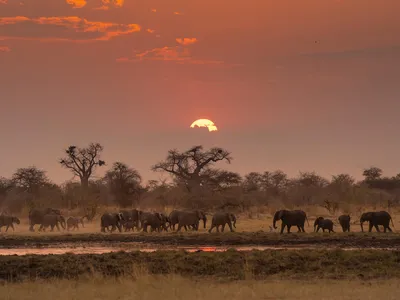
© WWF-US/Gareth Bentley
Where WWF works
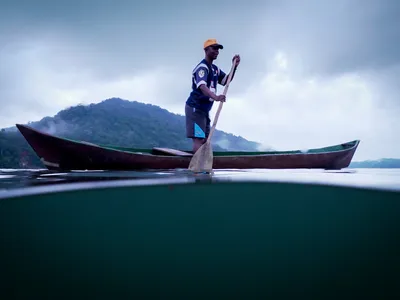
From the Arctic to the Amazon, Congo Basin to Eastern Himalayas, WWF works in some of the world’s most vital and vulnerable places.
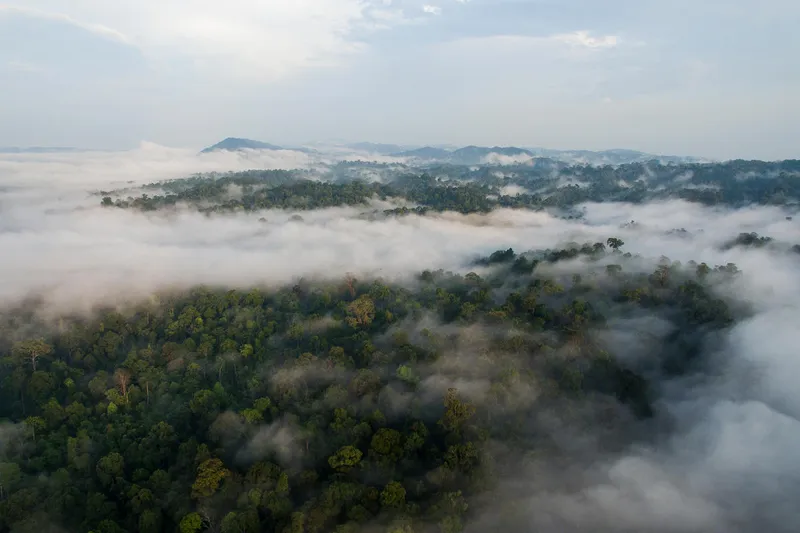
© Neil Ever Osborne / WWF-US
Protected and conserved areas
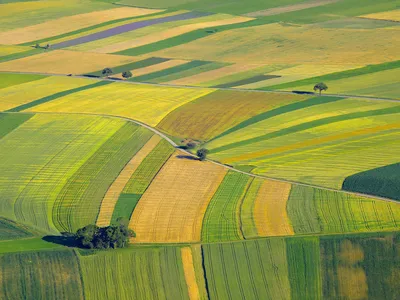
A variety of approaches to conservation are being used in diverse places across the globe, from high mountains and coral reefs, to river basins and lush rainforests.
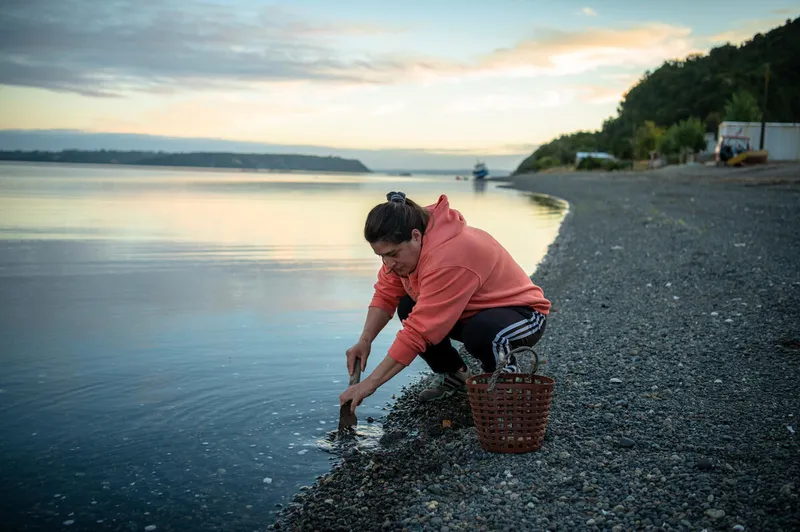
© Meredith Kohut / WWF-US
Other effective area-based conservation measures
OECMs help account for conservation beyond protected areas and they are central to the future of biodiversity and nature.
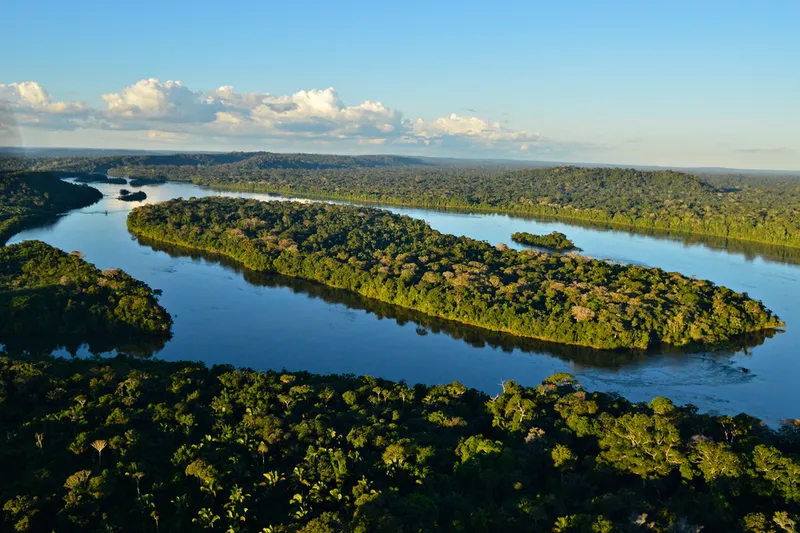
© WWF-Brazil / Adriano Gambarini
Project finance for permanence
Because they are designed for the long term, PFP initiatives can dramatically transform people’s ability to conserve and steward nature according to their own visions and values.
More of WWF's work
© George Walsh
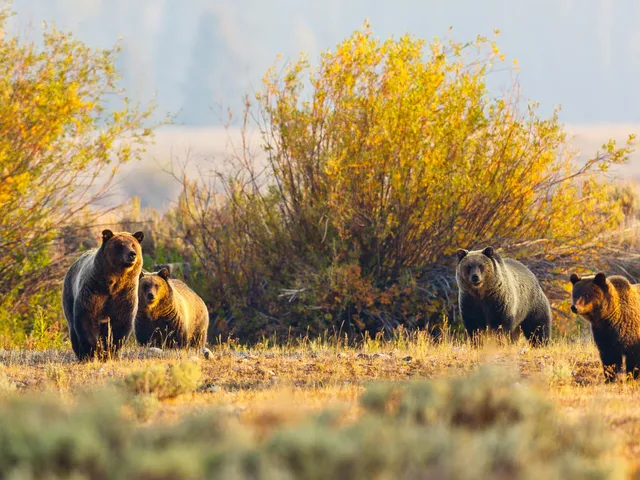
Strengthen the Endangered Species Act
More than 99% of the species listed under the Endangered Species Act have avoided extinction due to the law’s protections. Today, those protections are under threat — at the exact moment wildlife needs them most.