Stopping illegal logging
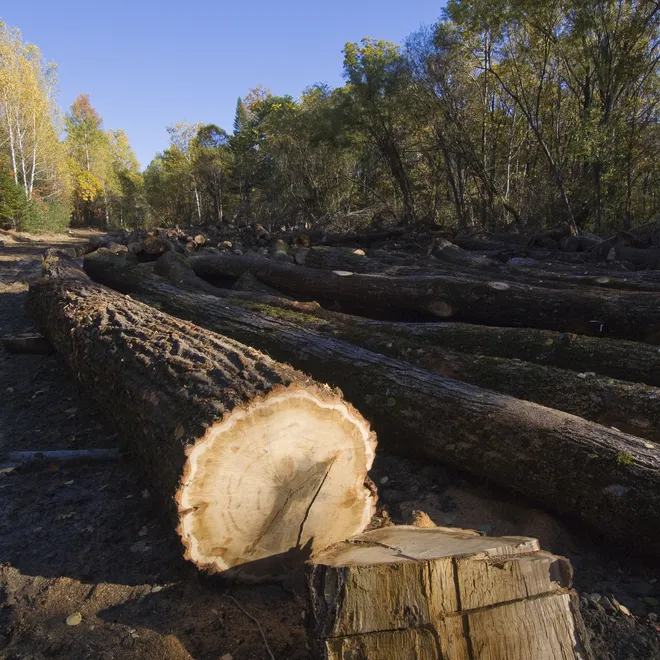
© naturepl.com / Mark Carwardine / WWF-Canon
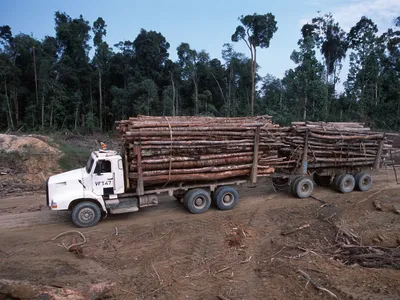
Illegal logging is one of the main threats to forests today. There are high rates of illegal logging in most timber-producing countries in the tropics as well as in Russia and parts of Eastern Europe. According to the most recent statistics available from Interpol, as of 2019:
- illegal logging was tied to 15%–30% of global timber production
- illegal logging accounted for 50%–90% of logging in many tropical countries
- the estimated annual economic value of the trade in illegal wood was $50 billion to $150 billion, making it the world’s third-largest transnational crime, only after counterfeiting and drugs
Illegal logging has a particularly devastating effect on biodiversity because perpetrators often deliberately target remaining high conservation value forests—forests with outstanding biological, ecological, social, or cultural values—including protected areas, which contain trees overexploited elsewhere. Illegal logging also affects Indigenous peoples and local communities through the loss of natural forest resources and sometimes through intimidation and violence.
Illegal logging and trade take many different forms. At the forest level, it can include logging inside protected areas, logging protected timber species, extracting volumes beyond permitted amounts, and corruption associated with the issuance of forest licenses. Once the timber leaves the forests, illegalities can occur at various stages of transport, processing, and trade, such as laundering illegal wood with legal material during manufacturing, falsifying documents to disguise the true origin or identity of the wood, and bribing officials to avoid taxes and duties.
Countries where illegal logging occurs use most of the illegal wood, but a significant percentage contaminates the international wood trade. While illegal logging is not widespread in the United States, the US is among the world’s largest importers and consumers of wood, including from some countries with high rates of illegal logging. As a result, we have a critical role to play in tackling illegal logging and the associated trade in illegal wood.
Why it matters
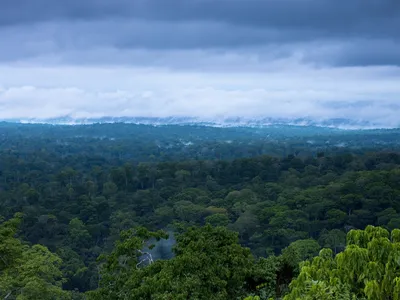
Forests store carbon
Enormous amounts of carbon are released when trees are harvested illegally. Forest trees and other plants soak up carbon dioxide from the atmosphere and store it away as they grow and thrive. Forests contain more than 660 gigatons of carbon, nearly 18 times the annual amount emitted by human activities.
© Brent Stirton / Getty Images / WWF-UK
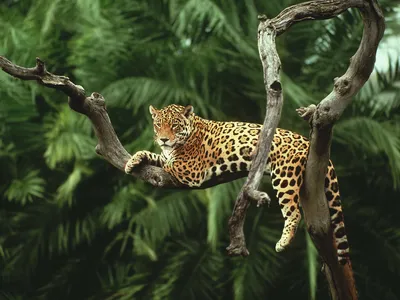
Forests provide wildlife habitat
Habitat for wildlife—including tigers, jaguars, and gorillas—is threatened. Forests are home to most of the world’s diversity of life on land, and tropical rainforests are home to more species than any other terrestrial habitat.
© Y.-J. Rey-Millet / WWF-Canon
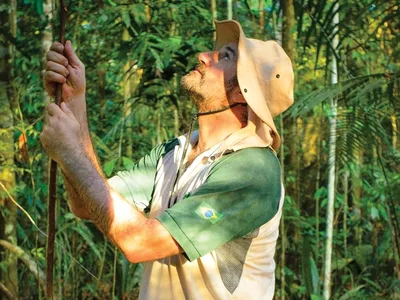
Illegal logging impacts communities
Illegal logging takes a toll on people. Many lose their livelihoods and source of income when illegal logging occurs. Some have died or been threatened while trying to expel illegal loggers from forests.
© WWF-US/Ricardo Lisboa
Illegal logging affects economies
Illegal logging and trade rob developing country governments of hundreds of millions of dollars in lost tax revenues to the detriment of those countries’ citizens. And because it depresses prices, the illegal wood trade undermines companies trying to follow the law.
© Alain Compost / WWF-Canon
How WWF is taking action to stop illegal logging

© Hartmut Jungius / WWF-Canon
WWF uses several approaches to confront illegal logging. One is ensuring that powerful policies are in place in the US and other countries. In the US, the most important policy related to illegal logging is the Lacey Act, passed more than 100 years ago to limit illegal wildlife trade. In 2008, WWF worked with a coalition of businesses and organizations to pass groundbreaking amendments to the Lacey Act that prohibit illegal timber and timber products from entering the US market. WWF's focus is now on ensuring the amendments are properly funded, implemented, and enforced.
Eyes on the Forest
WWF works closely with Eyes on the Forest, an alliance of several nongovernmental organizations that monitors the drivers of deforestation in Sumatra and Borneo and shares information to support those working to protect critical habitat.
Wood Risk Tool
WWF developed a Wood Risk Tool to help companies, governments, nongovernmental organizations, and others assess and mitigate risks related to the origin and species of wood products, including illegality risk.
© _
Forest Stewardship Council
When a wood product carries the Forest Stewardship Council® (FSC®) logo, it signifies the product was produced with wood that meets the rigorous environmental and social standards of responsible forestry. WWF helped create FSC in the early 1990s, and we continue to encourage US consumers to buy wood products that are FSC certified.