Female rangers break new ground protecting Malaysia's critically endangered tigers
Mila and Suzana are the first two women rangers from the Jahai Indigenous community

© Umi Rahman / WWF Malaysia
Patrolling the forest in northern Malaysia is part of a day’s work for Suzana and Mila. Both women are part of an anti-poaching team dedicated to protecting Malayan tigers—only 150 still exist in the wild—and their habitat. As rangers, they protect endangered wildlife—and help build a more inclusive future for conservation.
Suzana and Mila are members of the Jahai Indigenous community and the first female rangers to join its anti-poaching team. Their participation signals a positive change in the community and highlights the ways in which Jahai women are actively protecting their ancestral land.
Suzana and Mila personify the new opportunities available to Indigenous women that remain respectful of cultural traditions and community dynamics. Through their commitment, local perceptions of women’s roles in conservation, daily livelihoods, and environmental leadership are changing and more Jahai women are exploring conservation opportunities.
Meet Suzana
Suzana oversees patrol scheduling, a core function that ensures field teams are effectively deployed. She also supports wildlife post-mortem reporting, contributing to critical data on threats and causes of wildlife mortality.
I took up the challenge of becoming a female ranger and it is not easy, and not something I chose lightly. It requires personal courage and pushing beyond my limits.
One of the important things for the Orang Asli community is customs and taboos. These customs include using respectful forms of address when in the forest. Even today, many Orang Asli [Indigenous person] communities still respect wild animals, especially the tiger, which is called Up Belang.
I carry the hope, as an Orang Asli female ranger, to protect the forest and the Orang Asli heritage so that it can continue to live on.

© Nur Arisna Bahrin / WWF Malaysia
Meet Mila
Mila assists with key reporting tasks, ensuring accurate documentation of field activities and has recently begun camera trapping work, which is essential for monitoring tigers, their prey, and other wildlife across vast forest landscapes.
I wanted to become a ranger because I’ve been familiar with the forest since I was young. The forest is like my second home. When I learned there was an opportunity to protect the forest and wildlife, especially tiger, I felt this was a truly meaningful job.
Not many people expect Jahai women to be able to do this kind of work. Usually, people think forest work is only for men. So, when I became one of the earliest, I felt I wasn’t doing this just for myself, but also to set an example for other women in our community, to be brave and to believe in themselves. Over time, people began to see that women are also capable of being rangers and taking good care of the forest.
I joined WWF because I could see that they are genuinely serious about protecting nature and about involving Orang Asli communities, not just coming in, doing their work, and leaving.

© Nur Arisna Bahrin / WWF Malaysia
Future Leadership
The anti-poaching team is part of Project Stampede, which aims to protect wildlife—including Malaysia's critically endangered tigers—and reduce threats such as poaching through strengthened patrol and monitoring systems. The project is implemented in partnership with Indigenous peoples and supported by WWF-Malaysia and Maybank.
WWF-Malaysia is committed to expanding opportunities for Indigenous women in conservation. This includes:
- Ensuring fair access to training and employment.
- Supporting leadership pathways.
- Strengthening community-led stewardship of forests and wildlife.

© Nur Arisna Bahrin / WWF Malaysia
How you can help
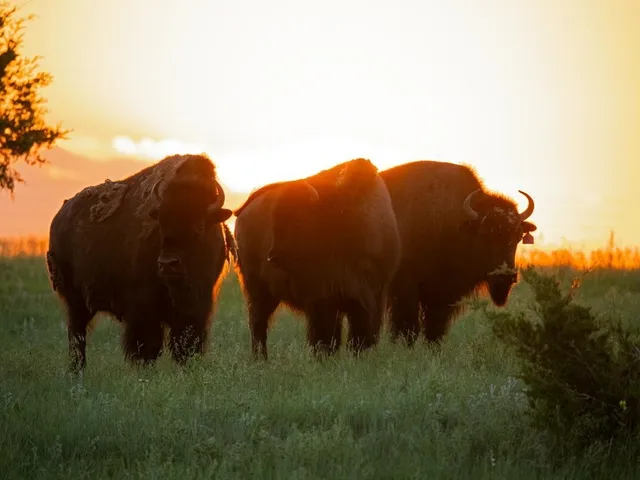
© WWF-US/Clay Bolt
Support Tribes restore buffalo to the Great Plains
The Indian Buffalo Management Act would strengthen support for Tribal Nations who are working to bring buffalo back from the brink of extinction.