© WWF-Viet Nam / Cham Team
Viet Nam
Viet Nam is home to some of the most biologically diverse habitats in the world and harbors some of the planet’s rarest mammals and threatened species. More than 50 Indigenous peoples steeped in rich culture and traditions inhabit the country’s diverse landscapes. The coastline stretches more than 2,000 miles from north to south, and serves as an important source of tourism- and marine-based revenue.
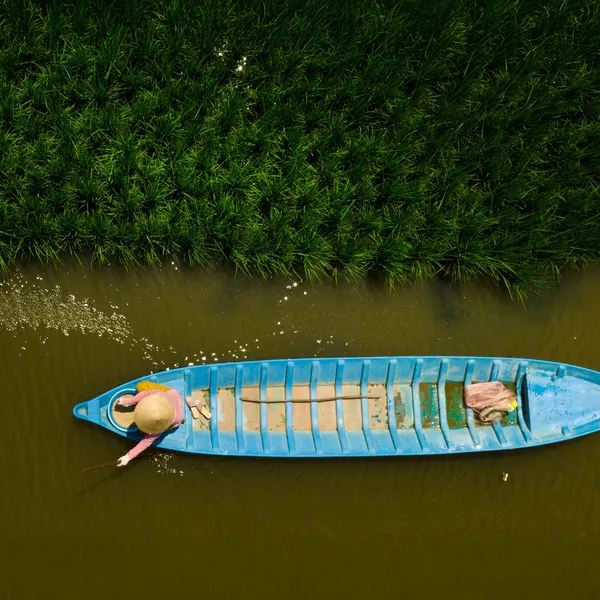
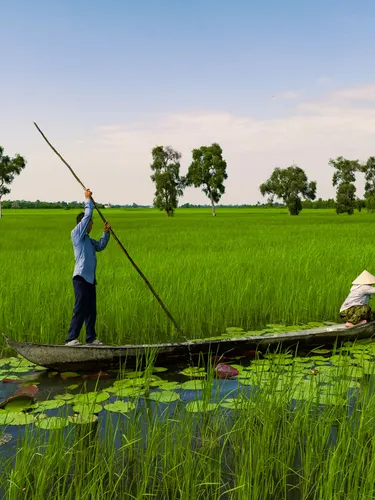
The country is part of the Greater Mekong region, the ‘rice bowl’ of Asia that also stretches across portions of China, Myanmar, Lao PDR, Thailand, and Cambodia. The Mekong River, which travels across the region and has Viet Nam situated on its delta, is host to the world’s largest inland fishery. The river accounts for as much as a quarter of global freshwater catch.
Viet Nam, along with the rest of the Greater Mekong region, is experiencing unprecedented social and economic development. Human activities like illegal logging, illegal wildlife trade, snaring, agricultural conversion, and rampant infrastructure development present pressing threats to Viet Nam’s landscapes and species.
WWF is working to help preserve the country’s biodiversity by partnering with local communities to establish conservation-friendly enterprises, strengthen protected area management, bolster environmental law enforcement, and tackle the country’s illegal wildlife trade.
Wildlife of the Viet Nam

© Denise Stilley / WWF-Viet Nam
Viet Nam is the 16th most biodiverse country in the world. The country is estimated to contain nearly 10% of the world’s animal species, and nearly 40% of its plant species are endemic. Viet Nam is home to several of the world’s iconic species, with 109 large mammals and 850 bird species recorded. This high level of diversity is significant for a relatively small country of 33.12 million hectares. Viet Nam’s terrestrial, freshwater, and marine ecosystems support nearly 50,000 species, including nearly 7,500 micro-organisms, 20,000 terrestrial and aquatic plants, 10,500 terrestrial animals, 2,000 invertebrates and freshwater fish, and over 11,000 marine species.
At least 1,200 freshwater species live in the Mekong River, including the last remaining populations of the Irrawaddy dolphin, the giant freshwater stingray, and the Mekong giant catfish. The Mekong Delta is one of the largest on earth and contains a wealth of globally important wildlife, including rare and threatened birds, mammals, fish, amphibians, reptiles, and invertebrates. Iconic species include the endangered Sarus Crane, the giant Mekong catfish, the Hairy-nosed Otter, the Spoon-billed Sandpiper, and around 30 species of mangrove.
The Central Annamites shelter some of the planet’s most spectacular, mysterious, and highly threatened animals, including the critically endangered and endemic Saola, large-antlered muntjac, Truong Son muntjac, Owston’s civet, striped rabbit, and crested argus. With 25 primate species, 11 of which are critically endangered and 5 of which are endemic, Viet Nam is considered one of the most important countries for primate conservation. Meanwhile, once abundant in Viet Nam, the wild Asian elephant population in the country has been reduced to over 100 individuals.
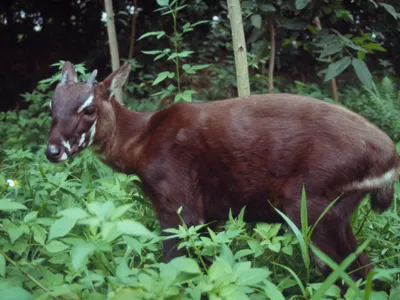
Saola
The saola was first documented by scientists in May 1992 during a joint survey carried out by the Ministry of Forestry of Viet Nam and WWF in north-central Viet Nam.
© _
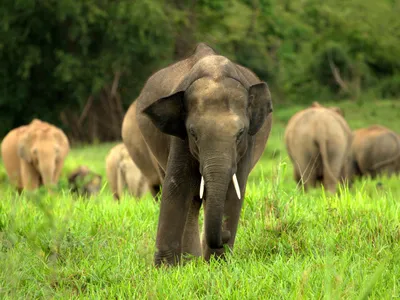
Asian elephants
The Asian elephant is the largest land mammal on the Asian continent.
© WWF-Thailand / Wayuphong Jitvijak
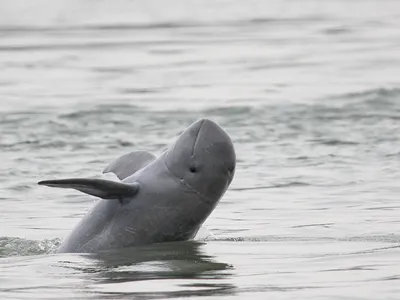
Irrawaddy dolphins
Irrawaddy dolphins are found in coastal areas in South and Southeast Asia, and in three rivers: the Ayeyarwady (Myanmar), the Mahakam (Indonesian Borneo) and the Mekong.
© Gerry Ryan/WWF-Cambodia
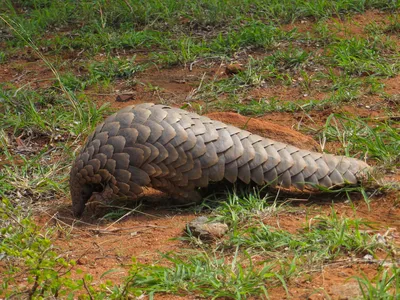
Pangolins
Also called scaly anteaters because of their preferred diet, pangolins are the most trafficked mammal in the world—with demand primarily in Asia and in growing amounts in Africa—for their meat and scales.
© Shutterstock

© Justin Mott / WWF-US
People and communities of Viet Nam
Viet Nam is home to almost 100 million people, the vast majority of whom depend directly on a healthy ecosystem and the services it provides. The country is rich in ethnic diversity, with 54 ethnic groups, 53 of which are minority groups that combine to make up around 15% of the population. Viet Nam’s minority ethnic groups live predominantly in the country’s mountainous regions, including the Annamite Mountains east of the Mekong River.
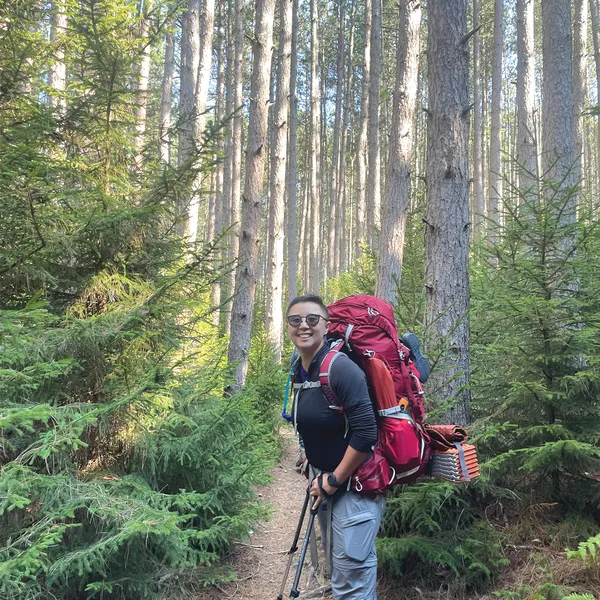
WWF works with Viet Nam’s communities to find ways to conserve the country’s lush landscapes and threatened wildlife. This means helping them establish and maintain sustainable livelihoods, pursue efforts to stop illegal wildlife trade, and conserve the intact forest.
Viet Nam under threat

© Justin Mott / WWF-US
Snaring/poaching
Snaring is one of the largest threats to species. The snaring, or trapping, of wildlife is mainly done by local people with incomes significantly lower than the national average. The products of snaring are used for either meat consumption at home or for the wildlife trade. The captured animals are sold in local markets, but mostly to middlemen coming from neighboring locations to the villages. Poaching is pervasive due to high market demand for wildlife, lack of alternative livelihoods, and weak and inconsistent law enforcement. It is widely recognized that the illegal exploitation, trade, and consumption of wildlife has increased significantly in Viet Nam as well as at the global level, resulting in dramatic declines in wildlife populations and the near extinction of some species, including the iconic Asian elephant and the Saola.
Illegal wildlife trade
Viet Nam is one of the source, transit, and consumer country hot spots for the global illegal wildlife trade. Its demand for wildlife products in traditional medicine, proximity to major wildlife consumer markets like China, and a rapidly growing economy in luxury and exotic items have made it a major nexus for buying and selling illegal wildlife.
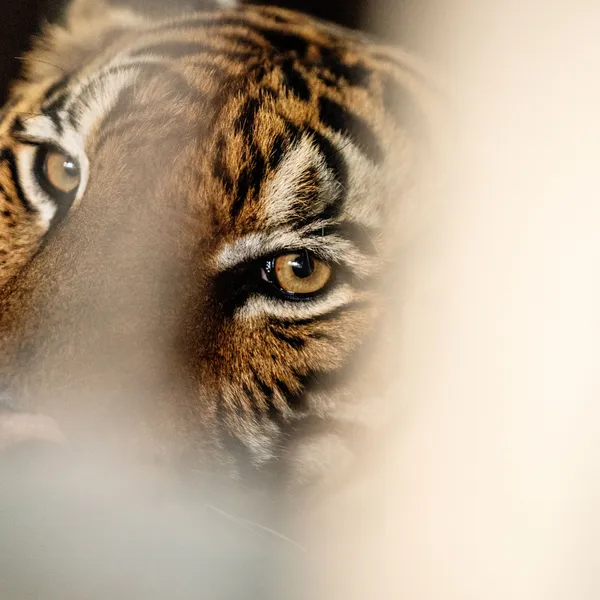
The impacts are serious: Species as iconic as tigers, rhinos, elephants, sea turtles, and pangolins are severely threatened as a result of the rising demand both within and beyond Viet Nam’s borders. Vietnamese international criminal networks have colluded in the poaching of at least 18,000 elephants, 111,000 pangolins, and almost 1,000 rhinoceroses since 2010. The last Javan rhino in Viet Nam was poached in 2010, likely for the horn that is marketed as a high-status gift and a remedy to numerous ailments, and the species was declared extinct.
Deforestation
Viet Nam has experienced widespread deforestation and forest degradation in the last several decades due to illegal logging, large-scale monoculture plantations, agricultural expansion encroaching forest land, industrial activities, overexploitation of non-timber forest products, and other pressures. Infrastructure development, including expanding transportation networks, tourism development, and energy projects like hydropower, further contributes to forest loss, forest fragmentation, and poaching.
The decimation of Viet Nam’s forest functions, forest habitat, and biodiversity reduces the country’s ability and resilience to adapt and mitigate the impacts of climate change. Damaged ecosystems prove less resilient to extreme weather, provide fewer environmental services, are not as capable of protecting vulnerable species and habitats, and cannot absorb as much carbon as healthy forests.
Plastic pollution
Like many other countries in Southeast Asia, Viet Nam is on the frontline of the plastic pollution crisis. The country’s waste management infrastructure cannot keep up with the exponential increase in plastic waste, which is closely tied to the country’s rapid economic growth over the last two decades.
Climate change impacts
Like the rest of the Greater Mekong, Viet Nam is particularly vulnerable to the impacts of climate change, which can have a domino effect: Changes in climate and temperature can lead to water scarcity, which reduces agricultural productivity and causes food scarcity, unemployment, and poverty. Climate-related disasters are frequent, impacting a high proportion of the country’s population and the economic assets concentrated along its long coastline.
WWF is taking action to protect Viet Nam

© Justin Mott / WWF-US
Supporting law enforcement
WWF supports Vietnamese law enforcement agencies in becoming more effective in addressing conservation crimes. Doing so includes strengthening intelligence gathering, improving crime analysis, and bolstering interagency collaboration. The project also engages local communities in helping protect forests and conserve wildlife through community-led patrol teams and public reporting on forest and wildlife crimes. This project builds on past work by WWF in partnership with the U.S. Fish and Wildlife Service to provide training for law enforcement to protect wild elephants in and around Yok Don National Park.
Nature-based Solutions Origination Platform
The Central Annamites Landscape of Viet Nam is one of five priority landscapes for WWF’s Nature-Based Solutions Origination Platform (NbS-OP). The NbS-OP is an innovative vehicle to drive impact at scale for climate, nature, and people by scaling up, aligning, and mobilizing public and private investments in high-quality nature-based solutions under an integrated landscape finance approach. The platform aims to influence broader conservation narratives and market dynamics by showcasing high-quality interventions that address threats and drivers efficiently; incorporate transparent and equitable governance and benefit-sharing mechanisms; and generate durable impacts for climate, biodiversity, and sustainable development in a combined manner.
Stopping plastic pollution
As plastic waste becomes both a national and a global crisis, WWF-Viet Nam, as part of the global WWF network’s No Plastic in Nature initiative, is engaging all stakeholders in the joint effort targeting systemic change in the country’s solid waste and plastic waste management to contribute to ending global plastic waste pollution.
WWF aims to reduce the use of plastic, increase reuse, recycling, and recovery, and prevent plastic leakage in the environment. Our goal is to develop circular economy models and system solutions that allow us to develop the full spectrum of solutions throughout the plastic life cycle and beyond. WWF is engaging different stakeholders to amplify, advocate, and accelerate solutions. We acknowledge that there is no single solution to plastic pollution, but rather a need for a comprehensive strategy that engages all actors–government, businesses, and the public.
Inside the country, WWF works with the central government to improve the legal framework for solid waste and plastic waste management. At the local level, our team works with cities to launch and implement the Plastic Smart Cities initiative, which covers each city’s commitment and action plan to reduce and reuse key waste plastics and have better landfill management.
Conserving the Mekong Delta
The Mekong Delta is one of two priority landscapes for WWF Viet Nam, along with the Central Annamites.
WWF's work is focused on landscape-scale ecosystem recovery to address threats from intensive agriculture and aquaculture, sand mining, water extraction, and climate change. We support communities to adapt to climate change, develop and scale climate-resilient and nature-positive food production, and support conservation of protected areas, including ecologically significant wetlands and mangroves.