What is a zoonotic disease?
By protecting the planet we can protect people from future zoonotic outbreaks
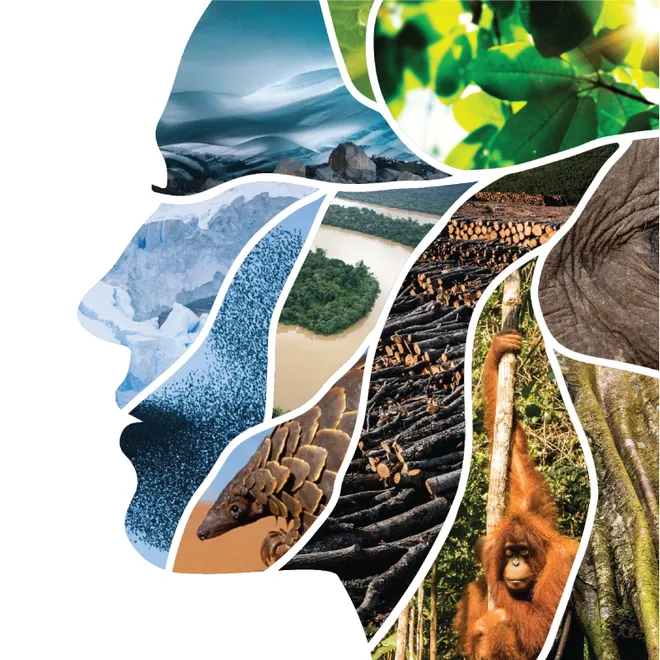
© Various
A zoonotic disease is a disease that jumps from animals—wild or domestic—to humans. These jumps, known as spillovers, are increasingly common. In the case of COVID-19, the disease existed in bats then moved to another host animal before spilling over to the human population.
Zoonotic diseases are a stark reminder of how people and nature are interconnected. Human activities that encroach upon wild places increase our contact with wildlife and the risk of spillover events. To lower that risk, we must rebalance our relationship with nature.
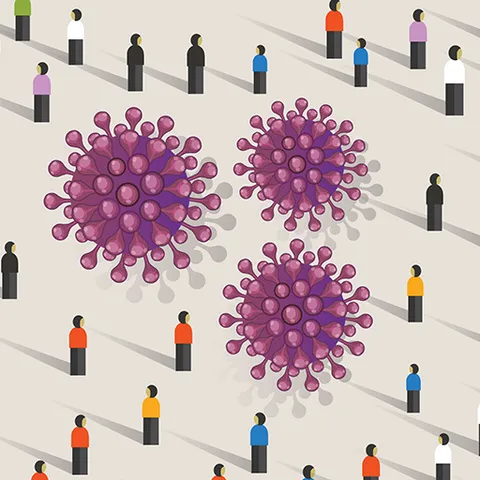
Most new infectious diseases are zoonotic
-
3 in 4 new outbreaks
Three out of four new infectious disease outbreaks come from animals.
What’s driving their frequency? People. Specifically, the growing pressures we exert on nature. As humans infringe on once-wild environments and animals lose habitats, we are at greater risk of spillover events and zoonotic diseases.
-
3-4 new outbreaks
Every year, three to four new outbreaks of zoonotic disease occur around the world.
It’s a worrying trend, but one we can reverse by addressing the environmental behaviors that put us most at risk. By protecting nature and its wild places, we can lower the chances of spillover events.
Zoonotic diseases are on the rise
As human pressures on nature grow, the frequency of zoonotic diseases have increased. Ebola, SARS, MERS, and Zika are just some of the zoonotic diseases that emerged over the last century. Today, the risk of another disease jumping from animals to people is higher than ever.
SARS
Origin: Bats, Civets
In 2003, a SARS outbreak reached 28 countries and resulted in 8,000 reported cases then suddenly and sharply declined.
HIV
Origin: Likely Primates
37.9 million people were infected with HIV in 2018 with 770,000 dying from HIV-related illnesses in that year alone.
H1N1
Origin: Pigs
Once commonly referred to as “swine flu,” H1N1 has been found in more than 214 countries.
Zika
Origin: Mosquito
The Zika virus is transmitted by the Aedes mosquito, the same mosquito that transmits dengue, chikungunya and yellow fever.
Ebola
Origin: Likely Bats
Ebola is a particularly devastating virus, with an average mortality rate of 50%.

Key drivers of zoonotic disease
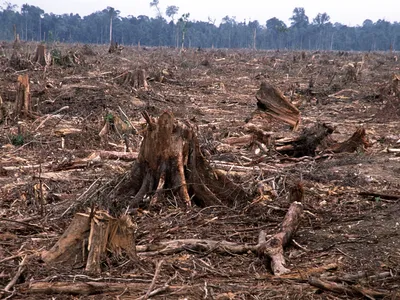
Forest loss presses people and wildlife closer together and increases spillover risks.
© Alain Compost / WWF-Canon
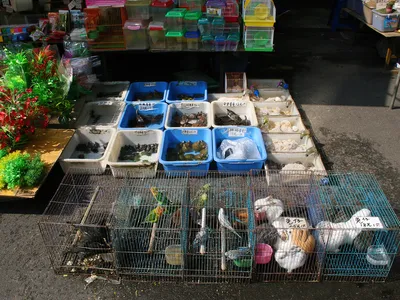
The sale and trade of high-risk and illegal wildlife increasingly puts people at risk of diseases jumping from animal to human.
© NISA AND ULLI MAIER PHOTOGRAPHY/MOMENT OPEN VIA GETTY IMAGES
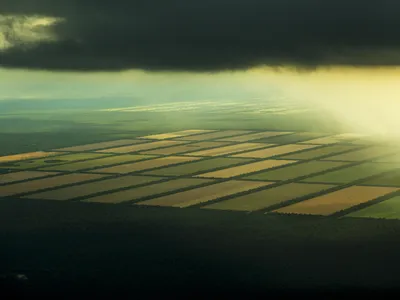
The conversion of land for unsustainable agricultural and livestock use drives wildlife, domestic animals, and humans in closer contact.
© Yawar Motion Films
To protect people from zoonotic disease, we must address the key, human-led drivers that put us at risk. Increased forest loss, land conversion, and illegally-traded, live wildlife are all contributing to dangerous environments that lead to new spillovers. As people encroach on wild habitats and exploit the natural world for their own gain, the risk of spillovers increases.
Now is the time to confront the environmental drivers of pandemics. Through transformative action, we can put nature on the path to recovery and reduce the risk of future pandemics, creating more sustainable and just societies for everyone.
This is a pivotal moment to build a safer future for people and the planet.
Ask leaders to take action now
There are direct links between what we do to nature and the emergence of infectious diseases. We need to change how we are consuming wild animals, how we are producing food, and how we are using land. Send a message to Congress and the State Department asking them to take the necessary steps to help prevent future pandemics.
© Shutterstock/Bakhtiar Zein
Lead image: Starting at the eye (ice cave) and going clockwise: © Nicolas Villaume / WWF-US, © Luis Barreto / WWF-UK, © Chris J Ratcliffe / WWF-UK, © Greg Armfield / WWF-UK, © Ola Jennersten / WWF-Sweden, © Luis Barreto / WWF-UK, © Neil Ever Osborne / WWF-US, © Shutterstock, © Photoshot License Ltd / Alamy Stock Photo, © Brent Stirton / Getty Images, © Global Warming Images / WWF, © Chris Johnson / WWF-Aus