What is the Endangered Species Act?
The US Endangered Species Act is our nation’s most effective law to protect at-risk species from extinction.
Explore frequently asked questions about this critical piece of legislation and what you can do to protect wildlife.
© Richard Barrett / WWF-UK
So what is really going on with the Endangered Species Act (ESA)? Is it under threat? Could it be eliminated? What does it actually do in the first place?
It’s a complex issue. Here are answers to some common questions about the ESA and the recent changes.
© George Walsh
Strengthen the Endangered Species Act
More than 99% of the species listed under the Endangered Species Act have avoided extinction due to the law’s protections. Today, those protections are under threat — at the exact moment wildlife needs them most.
What is the Endangered Species Act?
The Endangered Species Act (ESA) is a law to protect at-risk species from extinction. Its success rate is remarkable: 99% of species listed on it have avoided extinction.

© Don Getty
How effective is the Endangered Species Act?
Very effective

© naturepl.com / Ingo Arndt / WWF
Ninety-nine percent of species protected by the list have avoided extinction. Passed with bipartisan support in 1973, the Endangered Species Act is our nation’s most effective law to protect species from extinction.
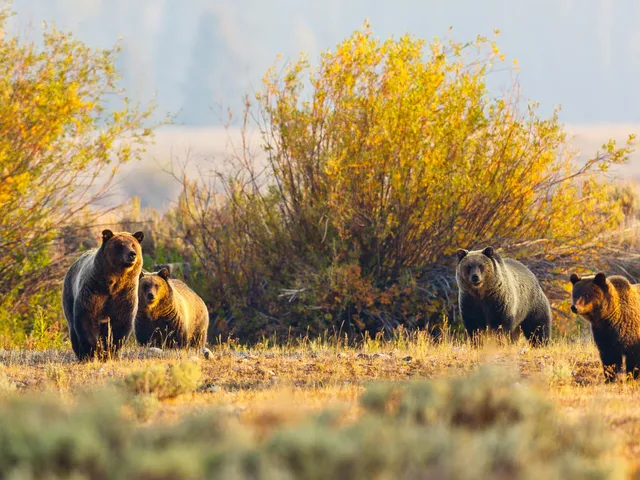
Grizzly bears, humpback whales, and bald eagles are just some of the 46 species now listed as recovered under the ESA. The rebound of any species is a gradual process that requires a long-term commitment and is dependent on many factors, including direct threats, habitat, food availability, reproduction rate, and climate.
Does the Endangered Species Act only protect species in the US, or does it help species overseas?
Both—but in different ways
The current law protects species native to the US in several ways. As just a few examples, the law:
- Prohibits harming or killing endangered species;
- Bans the import and export of endangered species;
- Requires protection for land and water vital to species recovery (“critical habitat areas”)
- Necessitates the development and implementation of recovery plans for listed species.
Wildlife found in other countries is also protected by the ESA through the prohibition or regulation of trade in live animals or their parts and products across US borders and in interstate commerce. ESA also increases funding for its conservation.
Just one example: the red kangaroo was long hunted for its meat and hide, to the point that it was listed as endangered in 1974. In response, the ESA banned US imports of kangaroos and kangaroo-derived products from Australia, greatly aiding conservation efforts there. By 1995, scientists agreed the species had recovered.
Is the Endangered Species Act at risk of being eliminated?
Not entirely, but…
Only Congress can amend the ESA itself, but the administration can amend the regulations that are used to implement the law. The Trump administration proposed changes to ESA regulations in 2025 that will seriously undermine the effectiveness of the ESA and, in turn, put many species at risk.
The changes to the ESA regulations proposed in 2025 would make it more difficult to designate critical habitat for endangered species, limit experts’ ability to protect threatened species based on foreseeable threats, allow economic impacts to be prioritized in listing decisions instead of the best available science, and revoke important protections for threatened species. If the goal of the ESA is to increase the population size of a given species, these changes will only make the recovery of listed species much more difficult.
Why would anyone want to weaken the Endangered Species Act?
Saving wildlife can be costly (but so can losing it)

© KristyBly / WWF
For more than 20 years, opponents of the ESA have sought to weaken it, largely because of the restrictions it places on land use.
Yet a key part of the Act’s success lies in its flexibility, including voluntary agreements with landowners to conserve and recover species on their lands. These positive collaborations address both species and landowner needs and allow for flexibility in ESA implementation.
As an example, under the ESA, the US has worked with 18 individual landowners to reintroduce populations of the black-footed ferret. The species, once believed to be extinct, now numbers in the hundreds with increased habitat and a greater chance of survival.
Which species are threatened by the changes to the Endangered Species Act?
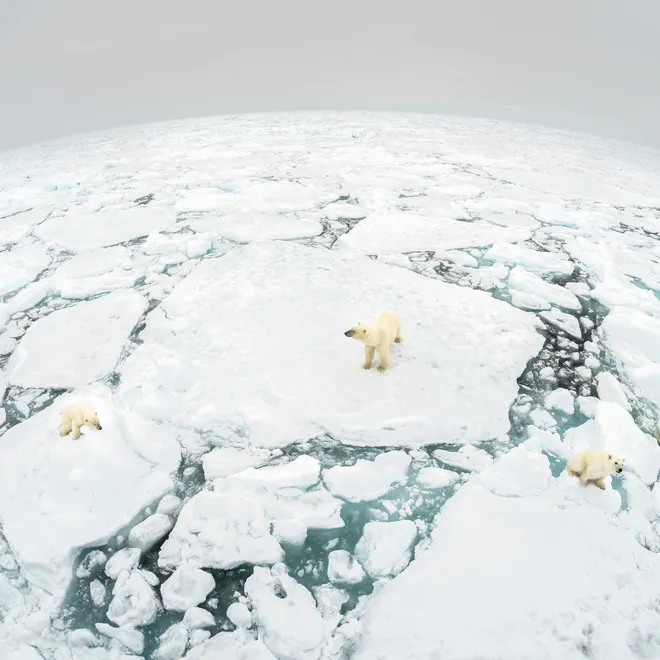
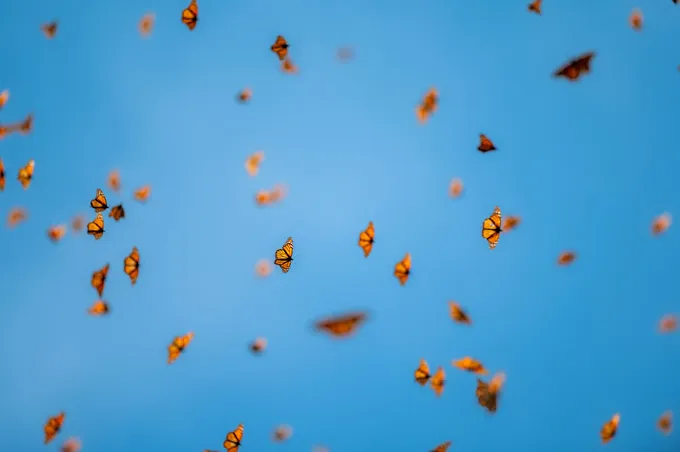
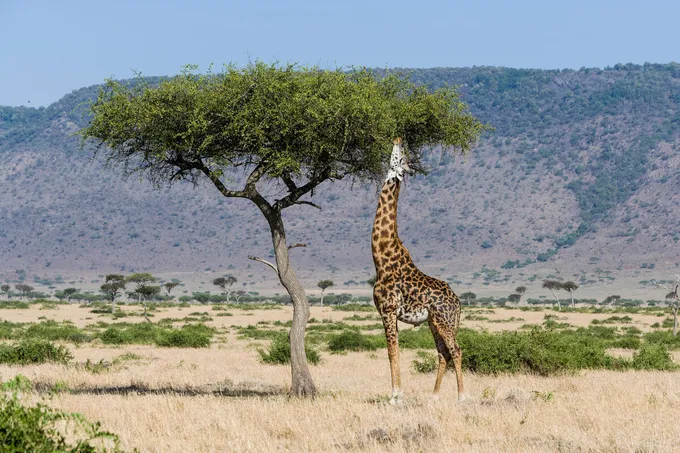
Giraffes, monarch butterflies, polar bears, and many more
© WWF-US / McDonald Mirabile
© Denis-Huot / naturepl.com / WWF
Species from the Americas to Asia, but mainly those native to the US, could be impacted by the proposed changes. The changes would mean weakened protections for future listed species, less scientific oversight, changes to critical habitat designations, and more. Individually and collectively, these proposed changes would jeopardize the health and survival of our nation’s most imperiled wildlife and weaken the regulatory framework that has ensured the success and effectiveness of the ESA over the past five decades.
What can I do?
Reach out to your Members of Congress
Contact your Members of Congress and tell them you strongly support the Endangered Species Act and oppose these efforts to weaken it or undermine the protections it provides to wildlife, including both native and non-native species.