Can snail mail stop food waste?
In other words: Could a partnership between the US Postal Service and small-scale farmers help decrease food waste and fight food insecurity?

© MAIL TOTE © ISTOCK.COM/GRADIVIS; PRODUCE © ISTOCK.COM/DNY59 AND © ISTOCK.COM/IMAGE SOURCE
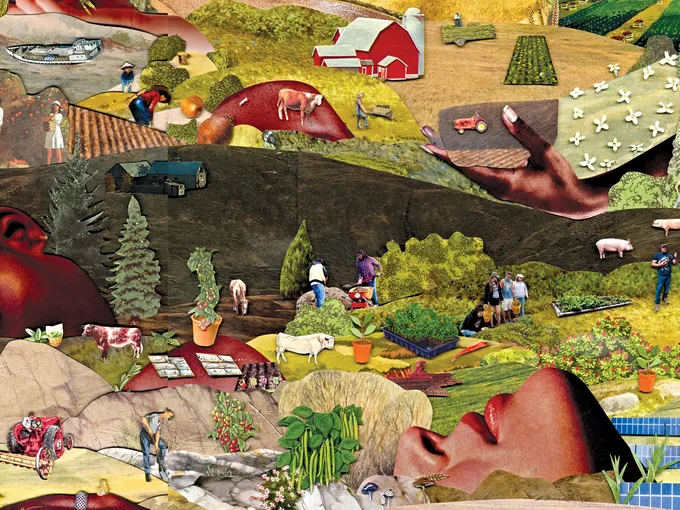
As it decays, uneaten food contributes around 10% of the world’s greenhouse gas emissions—and 16% of the food produced is wasted before it even leaves the farm. Across the US, some food goes unsold when a bumper crop yields more than a restaurant or wholesale contract requires, or when produce doesn’t meet a supermarket’s cosmetic standards. At the same time, around 53.6 million Americans lack easy access to fresh fruit and vegetables.
But what do farmers with extra crops and folks without access to produce have in common? The US Postal Service.
Farmers Post, a concept developed by WWF, would enable farms to send fresh produce directly to local households, shipping fruits and vegetables through already established USPS routes. The initiative could be a win-win for everyone involved: better quality food, lower prices, greater farmer profits, potentially billions of additional dollars in USPS revenue—and less food waste.
Having fleshed out the concept, WWF is now engaging partners and stakeholders to conduct consumer research and pilot a mini-Farmers Post.
Over 40% of all food produced globally goes to waste.

© Nils Aukan / WWF-Canon
Explore more
Keep reading this issue of World Wildlife magazine