WWF

Preserving an ancient craft in Papua

PAPUA :: INDONESIA

Noken bags—used by both men and women to carry everything from produce to babies—brim with history. Knotted and woven from plant fibers, they link Indigenous Papuans to an ancestral crafting process that is millennia old. But their future is at risk. The introduction of factory-made and foreign products, such as backpacks, has reduced local demand, while fewer Papuans are trained in the intricate bag-making process. In 2012, UNESCO declared noken an intangible cultural heritage urgently in need of saving. Now, with support from Margaret A. Cargill Philanthropies (MACP), WWF-Indonesia, and the Papua provincial government, Indigenous women from the northern village of Sawesuma are making major strides in preserving this ancient craft.

Woman holding up noken bag
PROSPERITY GENERATOR Papuan women often have limited access to education, and though they harvest crops and fish and collect firewood, income isn’t shared equally. Aru says noken-making gives women like Balbarina, pictured here, confidence and income stability.

© LUMELI J. BULI/WWF-INDONESIA

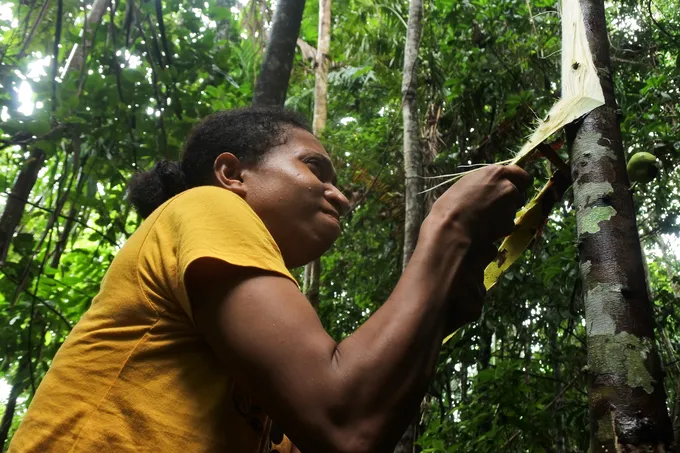
Woman peeling bark off tree
PAPUAN-LED Women’s group leader Novilla Aru, 31—peeling bark that will be processed into thread—has inspired 60 Sawesuma women to join her noken-making movement. The primary goal? Empowerment.

© LUMELI J. BULI/WWF-INDONESIA

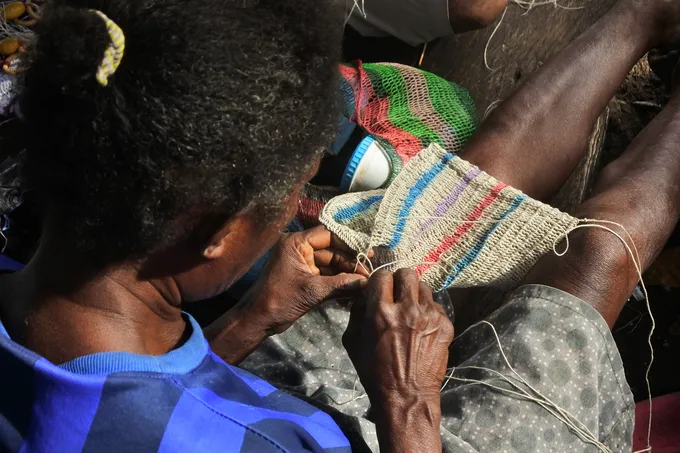
Woman hand weaving bag
PROCESS ORIENTED Learning to knot the net bags requires months of training.

© LUMELI J. BULI/WWF-INDONESIA

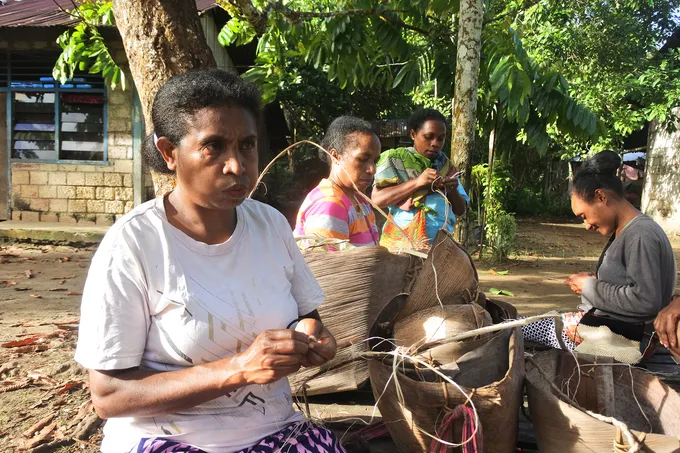
Women weaving
At the Sawesuma field school, created with WWF support and funding from MACP, women teach and learn the craft of making noken as well as ways to generate income from other sustainable forest-based livelihoods.

© LUMELI J. BULI/WWF-INDONESIA

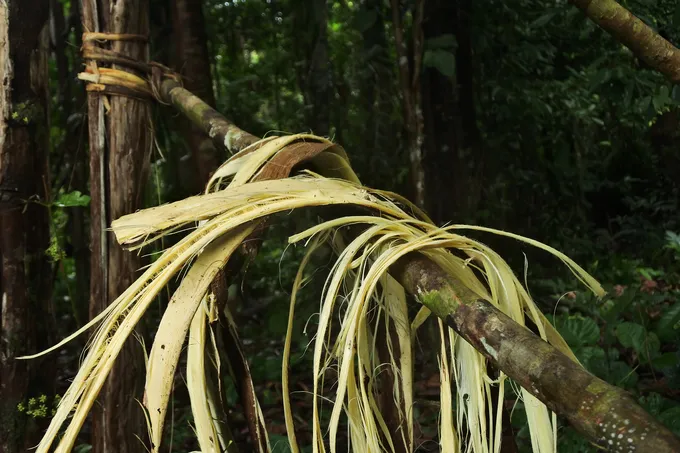
Noken fibers
SUSTAINABLE SOURCING Noken makers rely on forests for natural materials such as tree bark. This year, WWF is helping the women of Sawesuma launch a seed-planting program to restore nearby forests.

© LUMELI J. BULI/WWF-INDONESIA

Hawksbill turtle (Eretmochelys imbricata), Red Sea, Egypt

Support WWF

For $10 a month, get World Wildlife in print

© Nils Aukan / WWF-Canon

Explore more

Keep reading this issue of World Wildlife magazine
Summer 2022: Table of Contents
World Wildlife magazine Summer 2022
View all Issues