WWF

Sustainable cotton in Pakistan—and beyond

Two women in cotton field
BETTER INPUTS The family of Irum Shehzadi (right) is one of 250,000 Pakistani households working with BCI, which helps growers reduce their use of synthetic fertilizers and pesticides, optimize freshwater usage, and implement improved management practices

© MATTIEU PALEY

PUNJAB :: PAKISTAN

Pakistan is among the world’s top producers of cotton, a crop that has long been cultivated using pesticides and fertilizers that can harm the environment and human health. To make cotton production more environmentally friendly—and improve farmers’ lives—WWF-Pakistan in 2008 became an implementing partner of the Better Cotton Initiative (BCI), which set a global standard for sustainable cotton. Participating farmers celebrated the first BCI harvest in 2011; today, nearly a quarter of the global cotton crop is produced using BCI or equivalent standards.

Learn more about the recent floods that have affected around 33 million people in Pakistan.
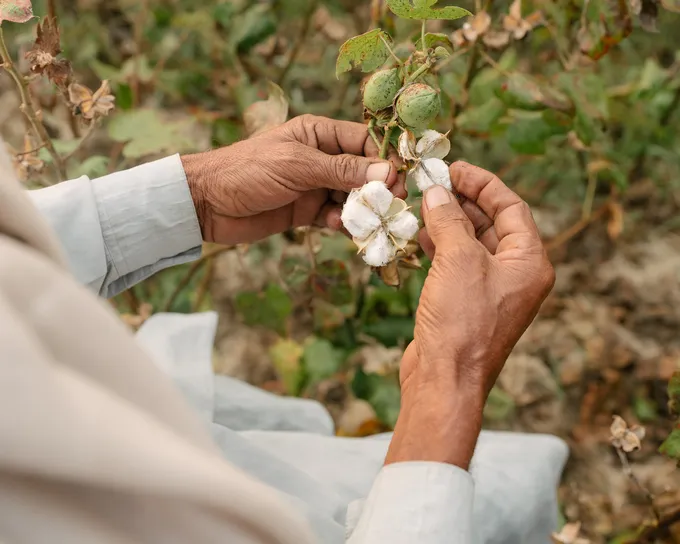
Woman holding cotton plant
FARM TO FIELD Sarfaraz Bati holds an open cotton boll. He participated in a WWF workshop on improving soil health by making fertilizer from livestock waste.

© MATTIEU PALEY

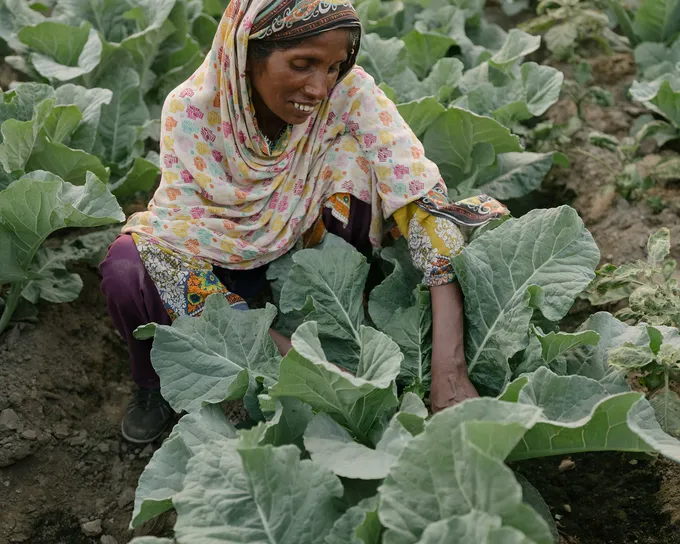
Crouching woman in garden
FOOD SECURITY Thanks to a WWF training on kitchen gardening, families like Ramzana Bibi’s, whose livelihoods come largely from picking cotton, had access to nutritious food even when COVID-19 stopped them from working.

© MATTIEU PALEY

Woman standing among tall trees
FOREST SMARTS Following a livelihood improvement training, Shehzadi started a micro nursery with seeds provided by WWF. She then sold the saplings she grew for use in reforestation efforts—an enterprise that increases carbon absorption and builds socioeconomic and climate resilience.

© MATTIEU PALEY

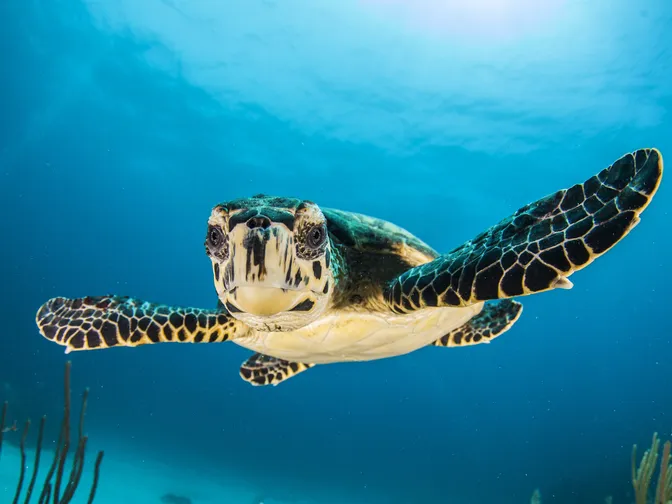
Sea turtle swimming

Support WWF

For $10 a month, get World Wildlife in print

© ISTOCK/MARTIN HRISTOV

Explore more

Keep reading this issue of World Wildlife magazine
Winter 2022: Table of Contents
World Wildlife magazine Winter 2022
View all Issues