Restoring seaweed forests, for clean oceans and a healthy climate
SOUTHWESTERN COAST :: PORTUGAL
Seaweed filters water, improves ocean health, supports fish, and absorbs carbon even more efficiently than trees. But pollution, spiking sea temperatures, and invasive species have left half of the world’s coastal kelp forests degraded. Now SeaForester, a WWF grantee, is tossing seaweed a much-needed lifeline through a project called Green Gravel Portugal.
© SeaForester
Stones with life
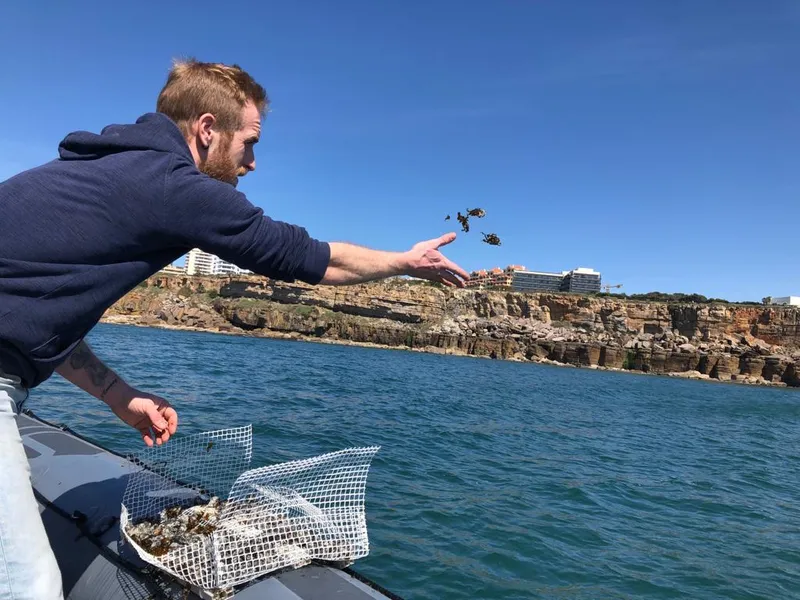
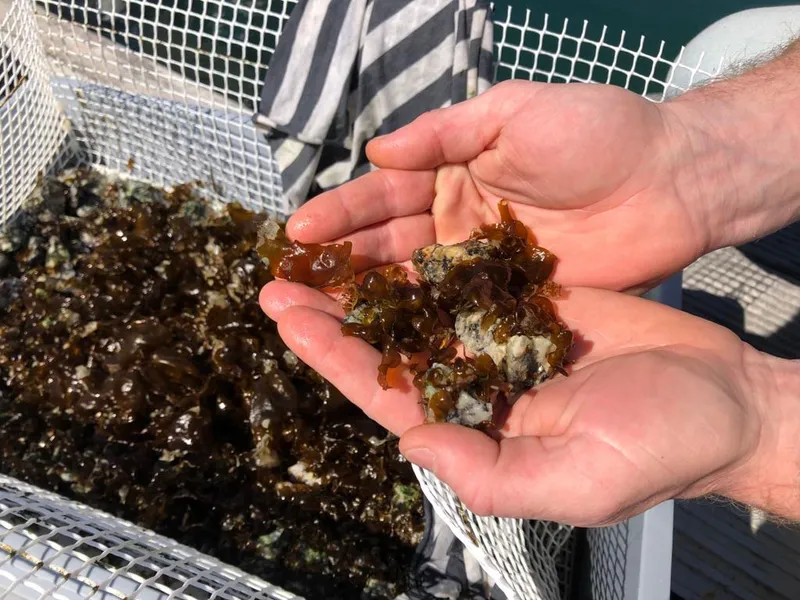
SeaForester uses baby seaweed attached to stones to help regenerate kelp forests across a stretch of coast just north of Lisbon in Portugal—from Peniche to Cascais. The coastal waters off Cascais once teemed with seaweed, but now virtually no undersea forests remain.
© Jeff Siebert/WWF-US
The process
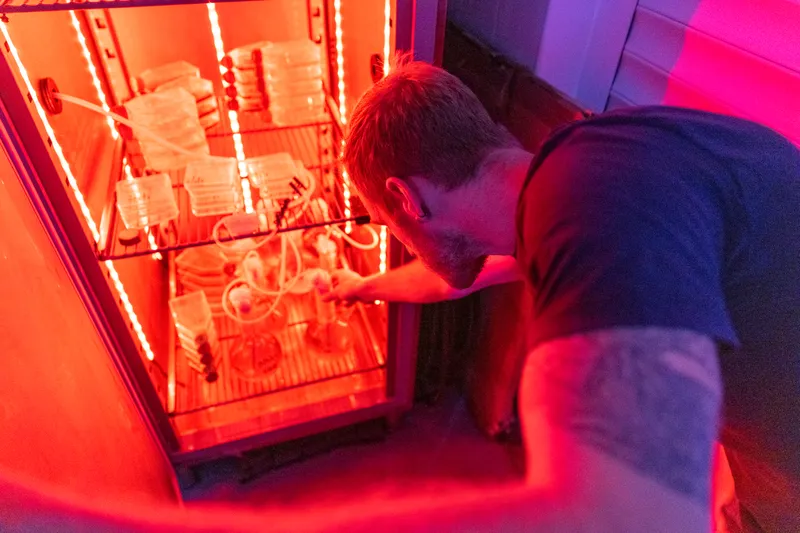
To begin, SeaForester creates a seed stock mixture by extracting spores from wild seaweed. The mixture can be kept viable for long periods under red light. The team then applies the seed stock to the stones for fertilization. In roughly three months, the stones will be ready to be tossed into the sea.
© SeaForester
Going big
“We are losing seaweed forests globally, and small-scale restoration isn’t enough,” says Jan Verbeek, scientific manager for SeaForester. To increase impact, SeaForester and partners now assist in the reseeding effort, and collaboration with local fishers is also underway. It’s a win-win, notes Verbeek. “The more seaweed in the ocean, the more fish to catch.”
© João Nuno Franco/MARE-IPL
Space to grow
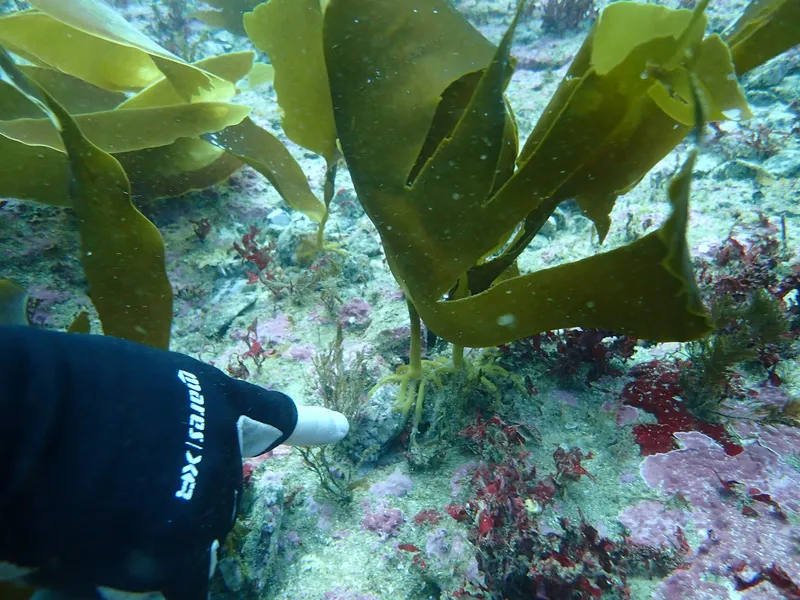
In the water, the young seaweed anchor to the reef and continue to grow, capable of forming a new seaweed forest in just a few years. “Our restoration trials showed promising results here,” Verbeek says. And if this project is successful, the plan is to expand this effort to other regions in Portugal.
© Vibe Images/Shutterstock
Explore more
Keep reading this issue of World Wildlife magazine